
Imagine waking up in a space where every detail is thoughtfully designed, chaos is replaced by calm, and your routines just flow. In 2026, creating a practical home is the first step to a simpler, more enjoyable life.
This guide will walk you through seven innovative ideas—from smart layouts to sustainable upgrades—that help your home work for you. Discover the latest trends, feel inspired to declutter, and find solutions that make less stress and more comfort a reality.
The Importance of Simplifying Your Home in 2026
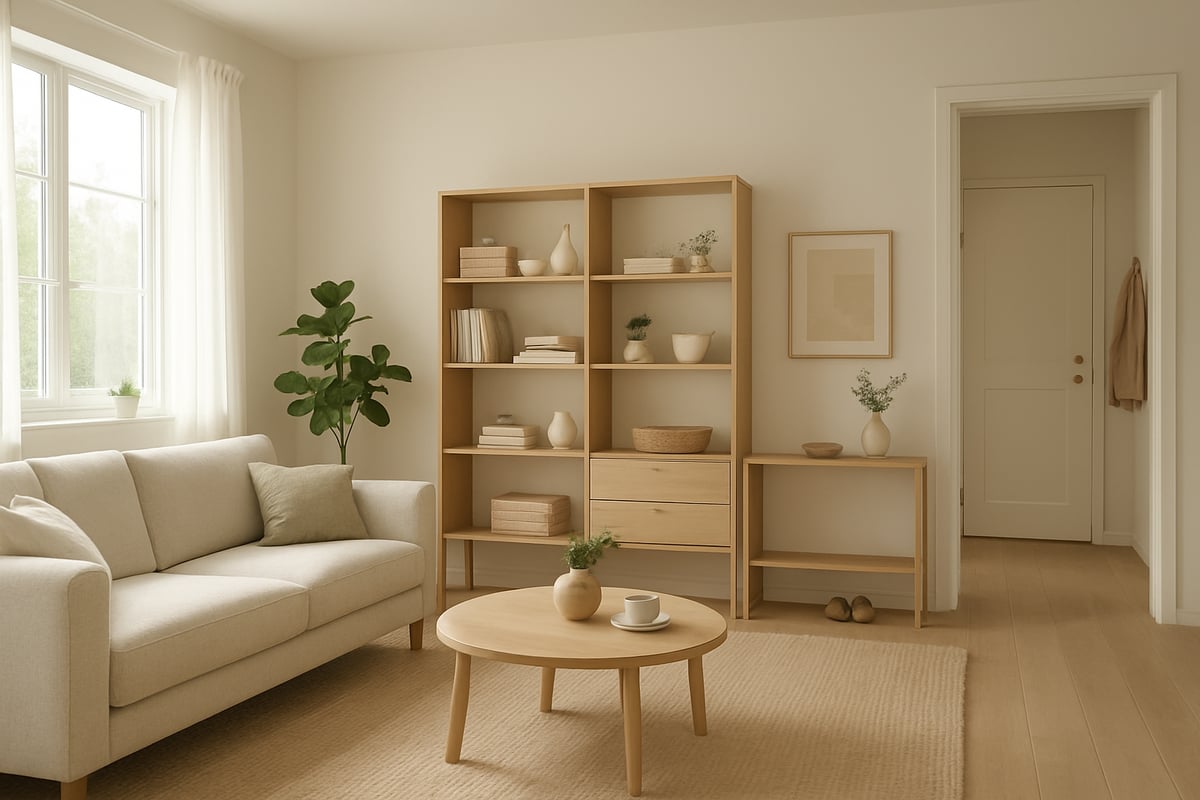
Imagine stepping into a space that feels calm, organized, and truly supports your life. In 2026, the idea of a practical home is more than just a trend—it’s a lifestyle shift that’s gaining momentum. More of us are realizing that when our homes work for us, not against us, we find more time, less stress, and even a bit of joy in the everyday.
The Rise of Practical Living
The demand for practical home design is surging. With more people working remotely, balancing family routines, and adapting to changing lifestyles, we’re asking our spaces to do more than ever before.
Open-concept layouts, flexible rooms, and furniture that serves multiple purposes are no longer luxuries—they’re essentials. According to recent data, 68% of homeowners in 2025 focused their upgrades on simplicity and efficiency. This signals a major shift toward homes that adapt and support us, not just look good.
Design Trends Shaping Simplicity
Minimalist and Scandinavian styles are leading the way in practical home design. These trends champion clean lines, open spaces, and a “less is more” philosophy. By embracing these principles, we naturally reduce clutter and create environments that feel lighter and more inviting.
If you’re curious about what’s coming next, Home design trends for 2026 reveals expert insights on how practical home ideas are shaping new builds and renovations. From modular furniture to smart storage, the focus is squarely on making life easier and more beautiful.
Health, Environmental, and Economic Benefits
A practical home doesn’t just look good—it feels good, too. Studies show that reduced clutter leads to lower stress and improved mental well-being. When our environments are organized, our minds can relax and recharge.
Choosing simplicity also helps the planet. Streamlined living often means less waste, more sustainable materials, and smarter energy use. Plus, practical home upgrades can increase property value and lower monthly bills, making them a wise investment for the future.
Real-Life Examples and the Path Forward
We’re seeing open floor plans and modular furniture become top choices for both new homes and renovations. These solutions offer the flexibility to create a practical home that grows and changes with your needs.
By focusing on function as much as style, you can design a space where everything has a purpose. The result? A practical home that supports your lifestyle, saves you time, and brings a sense of peace to your daily routine.
7 Practical Home Ideas to Simplify Your Life in 2026
Ready to transform your space into a practical home that works for you, not against you? In this section, we’ll walk through seven actionable ideas that make daily life smoother, more comfortable, and more efficient. Each approach is designed with 2026’s trends and your real needs in mind. Whether you seek more flexibility, less clutter, or sustainable living, you’ll find practical home inspiration here.
1. Open-Concept Floor Plans for Flexible Living
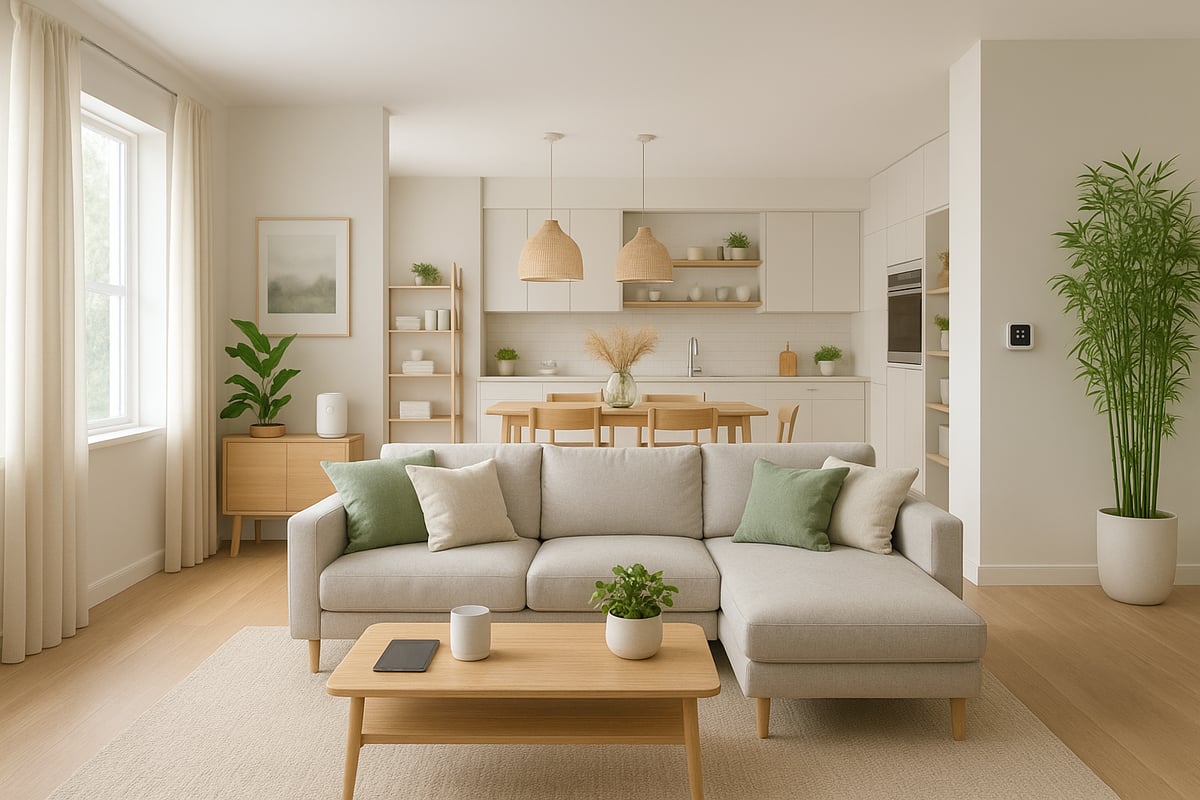
An open-concept layout is at the heart of every practical home. By removing unnecessary walls, you create a sense of spaciousness and let natural light flow into every corner. This setup is perfect for families, remote workers, and anyone who loves to entertain.
Open-concept spaces make a practical home more adaptable. You can easily reconfigure areas for a home office during the day, a play zone in the afternoon, and a dinner party by night. It’s versatility in action.
Key Benefits:
- Maximizes light and visibility
- Encourages social interaction and togetherness
- Adapts to changing needs
A practical home design often features combined kitchen, dining, and living zones. Use area rugs, furniture groupings, and partial dividers to gently separate spaces without losing the open feel.
| Feature | Benefit |
|---|---|
| Open sight lines | Easier supervision of kids |
| Natural light | Lower energy bills |
| Flexible zones | Supports multiple activities |
Industry data shows that 75% of new builds in 2025 included open-plan layouts. This trend isn’t just about style; it’s about creating a practical home environment that evolves with you.
If you worry about noise or privacy, try acoustic panels or sliding glass doors. These solutions help your practical home stay peaceful and efficient.
By choosing an open-concept layout, you’re investing in a practical home that grows with your needs, supports your lifestyle, and brings everyone together.
2. Smart Storage Solutions to Eliminate Clutter
Clutter is the enemy of a practical home. Smart storage solutions are your secret weapon for keeping everything tidy and accessible. Built-in shelves, under-stair drawers, and window seat storage transform dead space into valuable real estate.
Multi-functional furniture is another practical home essential. Think ottomans with hidden compartments, Murphy beds for guests, and tables that expand as needed. These pieces make the most of every inch.
Decluttering Strategies for a Practical Home:
- The “one in, one out” rule: For each new item, remove one
- Regularly edit and donate unused items
- Use baskets, bins, and labels for easy organization
Technology also plays a role in a practical home. Smart closets can track your wardrobe and send reminders for seasonal swaps. Entryway mudrooms with dedicated zones for shoes, bags, and coats make coming and going a breeze.
Homes with integrated storage solutions sell 12% faster on average. That’s because a practical home with smart storage feels bigger, more organized, and less stressful.
Remember, storage in a practical home isn’t just about hiding things. It’s about making daily essentials easy to find and use, so your routines stay smooth and your space stays serene.
3. Sustainable and Energy-Efficient Upgrades
A practical home in 2026 is also a sustainable one. Choosing eco-friendly materials like bamboo flooring, recycled glass countertops, and low-VOC paints helps protect your health and the planet.
Energy-saving technology is essential in a practical home. Smart thermostats, LED lighting, and solar panels lower your bills and shrink your carbon footprint. For water efficiency, opt for low-flow fixtures, rainwater harvesting systems, and drought-tolerant landscaping.
Why Go Green in Your Practical Home?
- Lower utility bills
- Reduced maintenance needs
- Government rebates and incentives
Imagine a practical home that achieves net-zero energy use through superior insulation and renewable energy. In fact, 60% of homeowners plan to invest in sustainability by 2026. These upgrades make your practical home more comfortable while cutting costs and waste.
| Upgrade Type | Example Benefit |
|---|---|
| Smart thermostat | Automated energy use |
| Solar panels | Renewable electricity |
| Low-flow fixtures | Water conservation |
Sustainable choices simplify your practical home life. They mean less upkeep, fewer repairs, and a healthier indoor environment for everyone.
4. Integrated Smart Home Technology
Smart home technology is rapidly becoming a hallmark of the practical home. With centralized control via voice assistants or smartphone apps, you can manage lighting, climate, security, and even appliances effortlessly.
Automation in a practical home means your lights, coffee maker, and thermostat can all follow your routine. Morning and evening become seamless, saving you time and reducing stress. Safety is another benefit: smart locks, video doorbells, and leak detectors add peace of mind.
For accessibility, smart solutions empower seniors and those with disabilities to enjoy a more independent practical home experience. Imagine a home where routines—like pre-set lighting or automated blinds—run themselves.
According to Smart home adoption rates in 2026, 80% of new homes are expected to include at least three smart devices. This confirms that a practical home is also a connected home.
By embracing smart technology, your practical home becomes a partner in daily life—anticipating your needs, streamlining chores, and creating a secure, comfortable environment for everyone.
5. Low-Maintenance Materials and Finishes
A practical home should be easy to care for. Selecting low-maintenance materials means you spend less time cleaning and more time enjoying life. Quartz countertops, luxury vinyl plank flooring, and composite decking are all durable choices for busy households.
Easy-clean finishes are a practical home favorite. Stain-resistant paints, antimicrobial tiles, and washable wallpapers keep your space fresh with minimal effort. Outside, artificial turf and native plants reduce yard work, while weather-resistant furniture stands up to the elements.
Examples of Low-Maintenance Choices:
- Seamless kitchen backsplashes with minimal grout
- Flooring that resists scratches and stains
- Outdoor furniture that stays bright season after season
Data shows that 55% of homebuyers make low-maintenance features a top priority. Choosing these options in your practical home means less stress and more free time.
By focusing on surfaces and finishes that work hard for you, a practical home truly supports a laid-back, enjoyable lifestyle.
6. Multi-Use Rooms and Flexible Spaces
Flexibility is a defining trait of the practical home in 2026. Multi-use rooms let you adapt your space to changing routines—think guest rooms that double as home gyms or offices.
Movable partitions, such as sliding or folding walls, offer instant privacy or openness. Furniture on wheels lets you reconfigure a practical home layout in minutes. Living rooms with hidden Murphy beds or fold-down desks are perfect examples of this trend.
Design Tips for Flexible Spaces:
- Use color coding or modular shelving to define zones
- Invest in pieces that serve more than one function
- Keep layouts adaptable for growing families or evolving needs
Following the shift toward remote work, demand for adaptable spaces rose 40% after 2020. Flexible layouts are crucial for a practical home that keeps up with modern life.
By making every room serve multiple purposes, your practical home maximizes square footage and supports everyone’s changing needs.
7. Streamlined Entryways and Drop Zones
First impressions matter, and a well-designed entryway sets the tone for your practical home. Streamlined entryways with benches, hooks, and cubbies make it easy to store daily essentials as soon as you walk in.
Tech integration is key for a modern practical home: charging stations for devices and keyless entry systems add convenience. Built-in handwashing stations or sanitizer dispensers boost hygiene and peace of mind.
“Family command centers” are a practical home trend—think calendars, mail organizers, and message boards right where you need them. Homes with organized entryways report higher satisfaction and less morning chaos.
Entryway Essentials for a Practical Home:
- Dedicated spots for shoes and coats
- Drop zones for bags, keys, and mail
- Easy-to-clean surfaces and lighting for safety
A streamlined entryway welcomes you home, keeps clutter at bay, and helps every day start and end smoothly. It’s the finishing touch that makes your practical home feel truly complete.
How to Personalize Practical Home Ideas for Your Lifestyle
Personalizing your practical home is about creating a space that truly feels like it supports you and your family. We all have unique routines and challenges, so making your home work for your lifestyle can lead to more enjoyment and less daily stress.
Adapting Trends to Your Needs
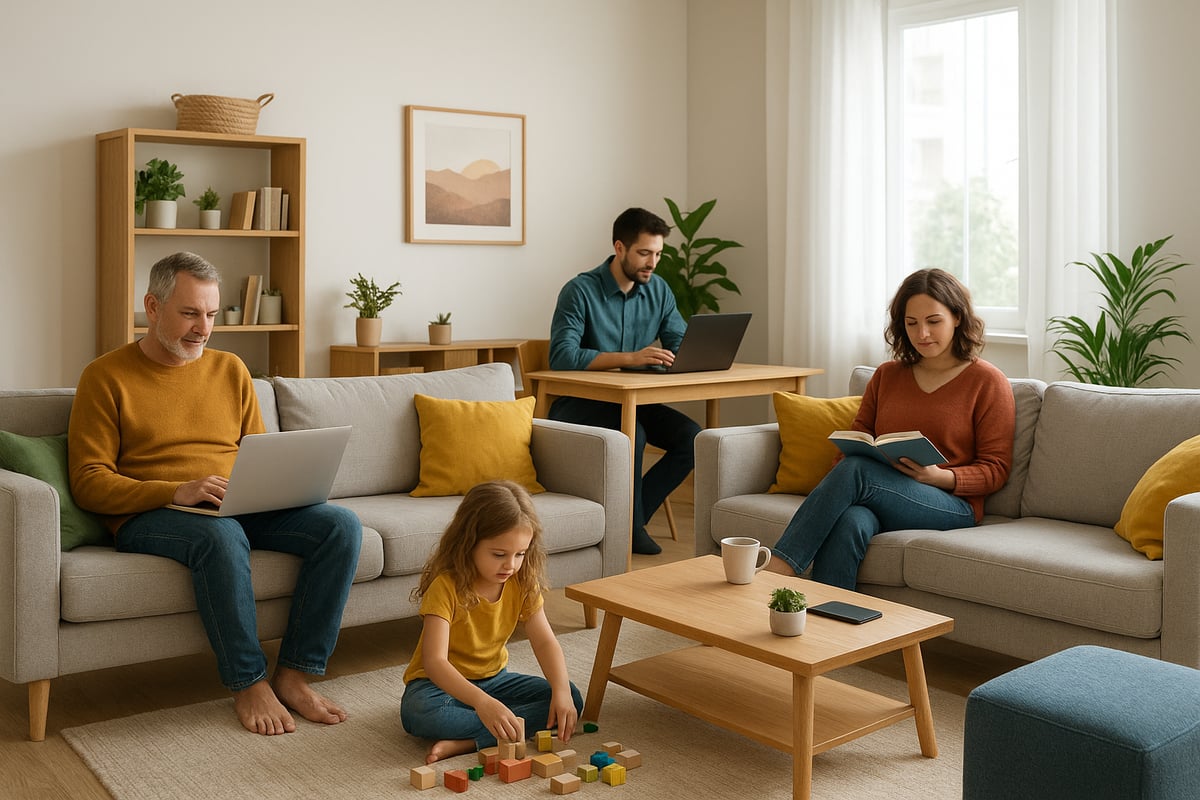
Start by taking a close look at your daily routines, habits, and those little pain points that make life harder than it needs to be. Do you always struggle to find your keys, or does clutter pile up in your entryway? Maybe your practical home needs more quiet zones for remote work or play areas for kids.
Here are some simple ways to make trends work for you:
- Assess your household: List your top priorities, whether it's storage, noise reduction, or tech upgrades.
- Mix and match solutions: Combine smart layouts with flexible furniture or storage upgrades.
- Budget smartly: Begin with small, impactful changes like organizing your entryway before bigger renovations.
- Personalize by room: For example, a family with young children may need durable finishes and drop zones, while remote workers might focus on multi-use rooms or a dedicated office. If you’re looking for inspiration, check out these Bedroom organization tips to make your private spaces more practical and peaceful.
- Consult the pros: Interior designers, architects, or even DIY blogs can offer fresh ideas and guidance tailored to your needs.
A recent survey found that 85% of homeowners who customized practical home trends to fit their lifestyle reported greater satisfaction and comfort at home.
The best part of creating a practical home is knowing it’s a reflection of you. By focusing on what matters most, you’ll build a space that adapts as your life changes—one simple step at a time.
Future Trends in Practical Home Design
The world of practical home design is evolving fast, and the future looks both inspiring and accessible. As we look beyond 2026, new trends are emerging that promise even more simplicity, comfort, and well-being within our living spaces. Whether you dream of a smarter home or crave a deeper sense of community, these innovations are shaping how our homes will help us thrive.
Modular Construction: Fast, Flexible, and Affordable
One of the most exciting shifts is the rise of modular construction. Prefabricated elements make building or renovating a practical home faster and more budget-friendly. Walls, rooms, and even entire sections can be assembled off-site and installed quickly, reducing disruption and waste.
This modular approach also supports flexible layouts, making it easier to adapt your space as your needs change. For a closer look at how flexible layouts and multigenerational living are shaping the future, check out Flexible home layouts and multigenerational living.
Wellness-Focused Design for Mind and Body
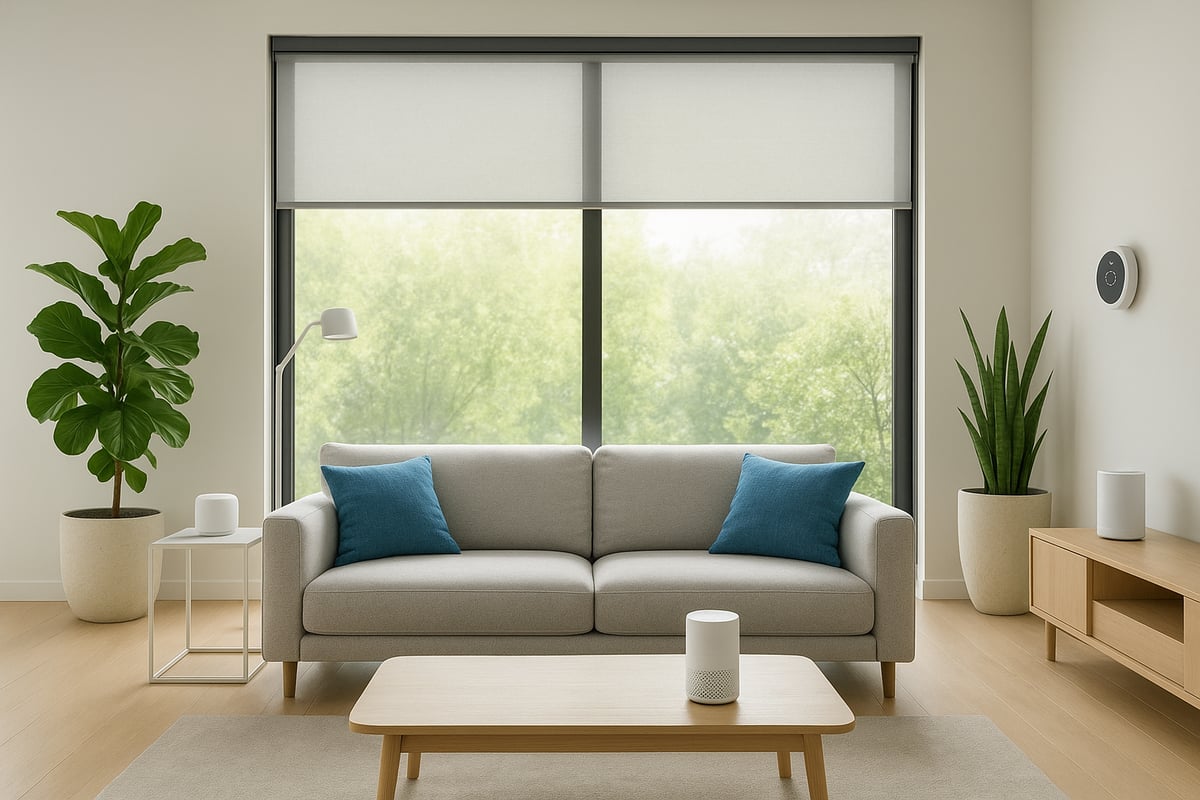
Health is at the heart of tomorrow’s practical home. Expect to see more features like air quality monitors, circadian lighting that matches your natural rhythms, and biophilic elements like living walls or indoor gardens.
These details are more than just trends—they create calming, restorative environments. Industry forecasts reveal a 30% increase in demand for health-driven home features, showing just how much well-being matters to homeowners. Imagine smart windows that automatically adjust their tint for comfort and privacy, making your space feel fresh and balanced.
AI-Driven Personalization and Smart Living
Technology is getting smarter, and so is the practical home. AI-powered systems will learn your routines and adapt everything from lighting to temperature, making life easier without you lifting a finger.
Picture a home that senses when you’re stressed and adjusts the environment to help you relax. Appliances, energy use, and even entertainment can be tailored to your preferences, saving time and reducing mental clutter. This level of personalization means your home truly works for you, not the other way around.
Community Spaces and the Next Wave of Simplicity
The practical home of the future will extend beyond your front door. Shared gardens, coworking nooks, and neighborhood amenities are becoming part of the design conversation. These shared spaces foster connection, encourage sustainability, and make daily life more joyful.
Looking ahead, the most successful practical home designs will blend technology, sustainability, and wellness. By embracing these trends, we can all look forward to homes that are not just easier to live in, but more nurturing and connected than ever before.