
Finding a room to decorate is an exciting opportunity to express your personal style and create a space that truly feels like home. Whether you're moving into a new house, refreshing a tired space, or finally tackling that spare bedroom, having a blank canvas waiting for your creative touch can feel both thrilling and overwhelming. The key is approaching your room to decorate with a clear plan, practical strategies, and plenty of inspiration to guide your choices.
Understanding Your Space Before You Start
Before you purchase a single throw pillow or paint swatch, take time to really understand the room you're working with. Walk through the space at different times of day to observe how natural light changes the atmosphere. Notice architectural features like crown molding, windows, or built-in shelving that can become focal points in your design.
Measure everything carefully, including:
- Wall dimensions and ceiling height
- Window and door placements
- Existing fixtures and outlets
- Any alcoves or awkward corners
This information becomes invaluable when you're planning furniture layouts and ensuring pieces will actually fit through doorways. Many decorating mishaps happen because someone fell in love with a sofa that simply won't fit up the stairs or through the hallway.
Defining the Room's Purpose
Every room to decorate needs a clear purpose. Will this be a cozy reading nook, a productive home office, a guest bedroom, or a multipurpose family space? Your answer shapes every decision that follows, from furniture selection to color palettes.
Consider these questions:
- How many people will use this space regularly?
- What activities will happen here?
- What storage needs must the room address?
- Does the space need to serve multiple functions?
A step-by-step approach to designing your space helps ensure you don't miss crucial planning stages that could save you time and money later.
Creating Your Design Foundation
Once you understand your space and its purpose, it's time to establish the design foundation. This is where you make big decisions about color, style, and overall atmosphere.
Selecting Your Color Palette
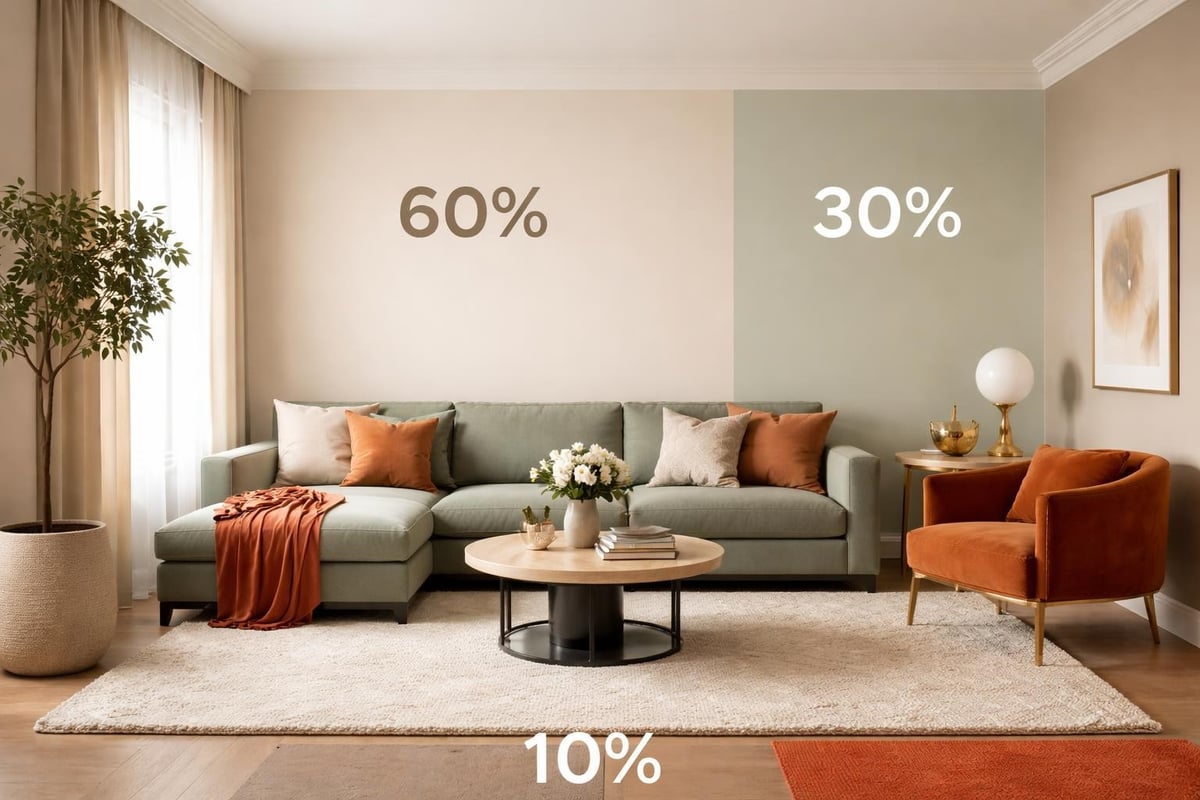
Color transforms a room to decorate more dramatically than any other single element. The 60-30-10 rule in interior design provides a foolproof formula: use your dominant color for 60% of the room (usually walls), a secondary color for 30% (upholstery, curtains), and an accent color for the remaining 10% (accessories, artwork).
| Color Role | Percentage | Common Applications |
|---|---|---|
| Dominant | 60% | Wall paint, large rugs, main furniture |
| Secondary | 30% | Upholstery, curtains, accent walls |
| Accent | 10% | Throw pillows, artwork, decorative objects |
For 2026, we're seeing a shift toward warmer neutrals paired with rich, earthy accent colors. Think terracotta, sage green, and warm ochre alongside creamy whites and soft beiges. These combinations create welcoming spaces that feel both modern and timeless.
Establishing Your Design Style
Your room to decorate should reflect a cohesive style that resonates with your personality. You don't need to commit to one rigid aesthetic, but having a clear direction prevents your space from feeling disjointed.
Popular design styles for 2026 include:
- Modern Organic: Natural materials mixed with clean lines
- Cozy Maximalism: Layered textures, patterns, and collected treasures
- Scandinavian Minimalism: Light woods, whites, and functional beauty
- Industrial Farmhouse: Rustic elements with urban edge
- Eclectic Boho: Global influences and free-spirited mixing
Browse the Decoratehow design category for style inspiration and practical guidance on achieving different looks.
Furniture Planning and Layout
Furniture placement can make or break your room to decorate. Even the most beautiful pieces won't create a functional space if they're poorly arranged.
Measuring and Space Planning
Start by creating a basic floor plan. You can sketch this on graph paper or use free online room planning tools. Mark permanent features like doors, windows, and radiators. Then experiment with furniture arrangements before moving heavy pieces around.
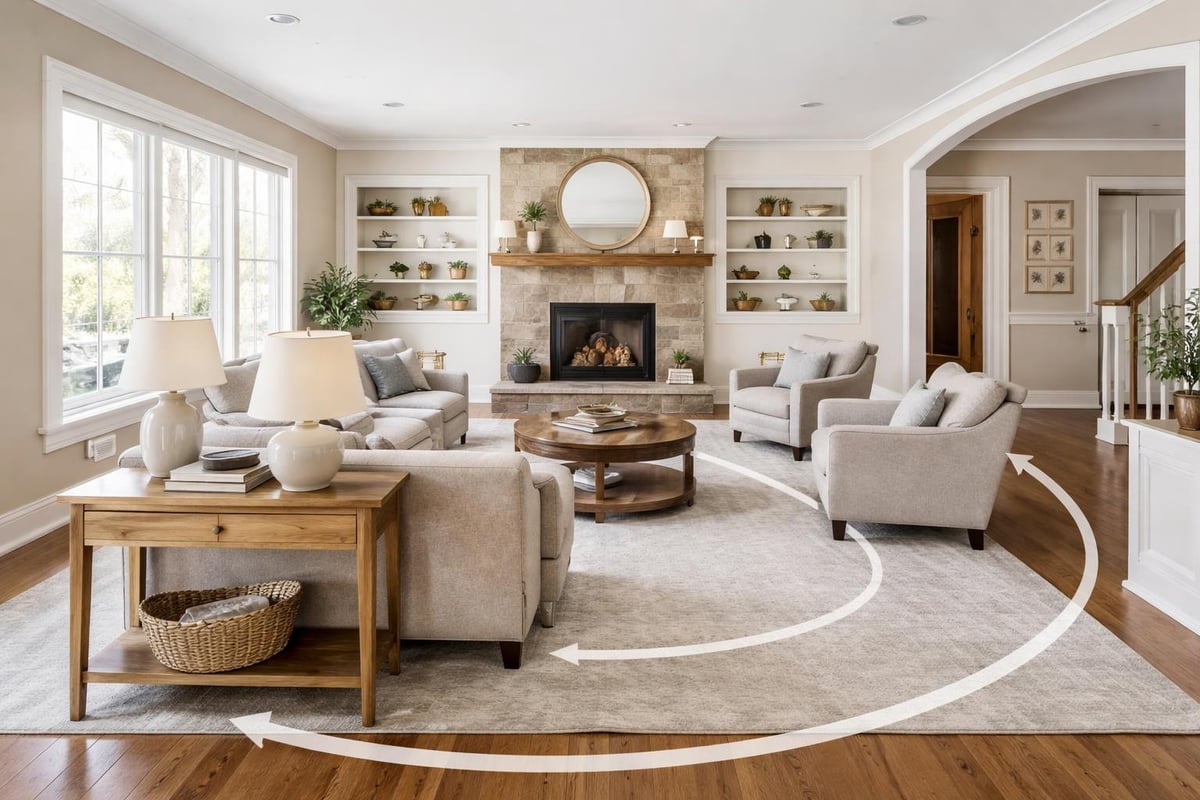
Consider traffic flow through the room. People should be able to walk comfortably without squeezing between furniture or making awkward detours. Aim for at least 30 inches of walking space in main pathways.
Space-saving furniture ideas:
- Ottomans with hidden storage
- Nesting tables that tuck away when not needed
- Wall-mounted desks that fold up
- Sofa beds for guest rooms
- Floating shelves instead of bulky bookcases
If you're working with a smaller room to decorate, these practical tips for decorating small rooms offer clever solutions for maximizing every square foot without sacrificing style.
Creating Conversation Areas
In living spaces, arrange seating to facilitate conversation. Place sofas and chairs facing each other, ideally no more than 8-10 feet apart. A coffee table should sit about 18 inches from seating for comfortable reach without knee-bumping.
Layering Lighting for Ambiance
Lighting transforms your room to decorate from flat and uninviting to warm and dynamic. The secret is layering different types of lighting to serve various needs and moods.
The Three Types of Lighting
| Lighting Type | Purpose | Examples |
|---|---|---|
| Ambient | Overall illumination | Ceiling fixtures, recessed lights |
| Task | Focused work lighting | Desk lamps, reading lights, under-cabinet strips |
| Accent | Highlights features | Picture lights, uplights, LED strips |
Every room needs all three types working together. Relying solely on overhead lighting creates harsh shadows and an institutional feel. Instead, distribute light sources throughout the space at different heights.
Strategic lighting placement:
- Position reading lamps at shoulder height when seated
- Install dimmer switches for mood flexibility
- Use warm bulbs (2700-3000K) in living spaces
- Add LED strips inside closets or under shelving
- Place table lamps on side tables flanking sofas
Adding Texture and Pattern
A room to decorate needs visual interest beyond color. Texture and pattern add depth and personality that prevents spaces from feeling one-dimensional.
Mixing Textures Successfully
Combine smooth and rough, shiny and matte, soft and hard surfaces throughout your room. This creates a tactile richness that makes spaces feel more sophisticated and inviting.
Texture combinations that work:
- Velvet pillows on a linen sofa
- Jute rug under a glass coffee table
- Smooth ceramic lamps on rustic wood tables
- Silk curtains against painted brick walls
- Knitted throws over leather chairs
Don't forget walls and ceilings as texture opportunities. Shiplap, wallpaper, wood paneling, or even decorative molding adds architectural interest to your room to decorate.
Pattern Mixing Made Easy
Many people shy away from patterns, worried about creating visual chaos. The trick is varying the scale and staying within your color palette.
Choose patterns in three scales:
- Large-scale: Statement wallpaper or area rug
- Medium-scale: Upholstery fabric or curtains
- Small-scale: Throw pillows or accessories
If this feels intimidating, start with one bold pattern and layer in smaller-scale patterns that share at least one color with your statement piece. Geometric patterns pair beautifully with florals, while stripes act as neutrals that ground busier designs.
Window Treatments and Wall Art
Don't leave walls and windows bare in your room to decorate. These large surfaces deserve thoughtful attention.
Dressing Your Windows
Curtains should typically hang higher and wider than the actual window to make ceilings feel taller and windows more substantial. Mount curtain rods about 4-6 inches above the window frame and extend them 3-6 inches beyond each side.
For 2026, we're seeing:
- Floor-to-ceiling drapery in natural fibers
- Layered treatments combining sheers with heavier panels
- Simple roller shades in textured fabrics
- Hardware as decorative statement pieces
- Motorized options for hard-to-reach windows
Curating Wall Art
Artwork personalizes your room to decorate like nothing else. Create a gallery wall, commission a statement piece, or showcase family photographs in matching frames. The key is hanging art at the right height-typically 57-60 inches from floor to center, which is standard gallery height.
For inspiration on creating visually striking walls, explore rustic wall decoration ideas that incorporate everything from vintage signs to natural wood elements.
Working With What You Have
You don't need to start from scratch with every room to decorate. Sometimes the most successful spaces blend new purchases with existing pieces and DIY projects.
Budget-Friendly Refresh Strategies
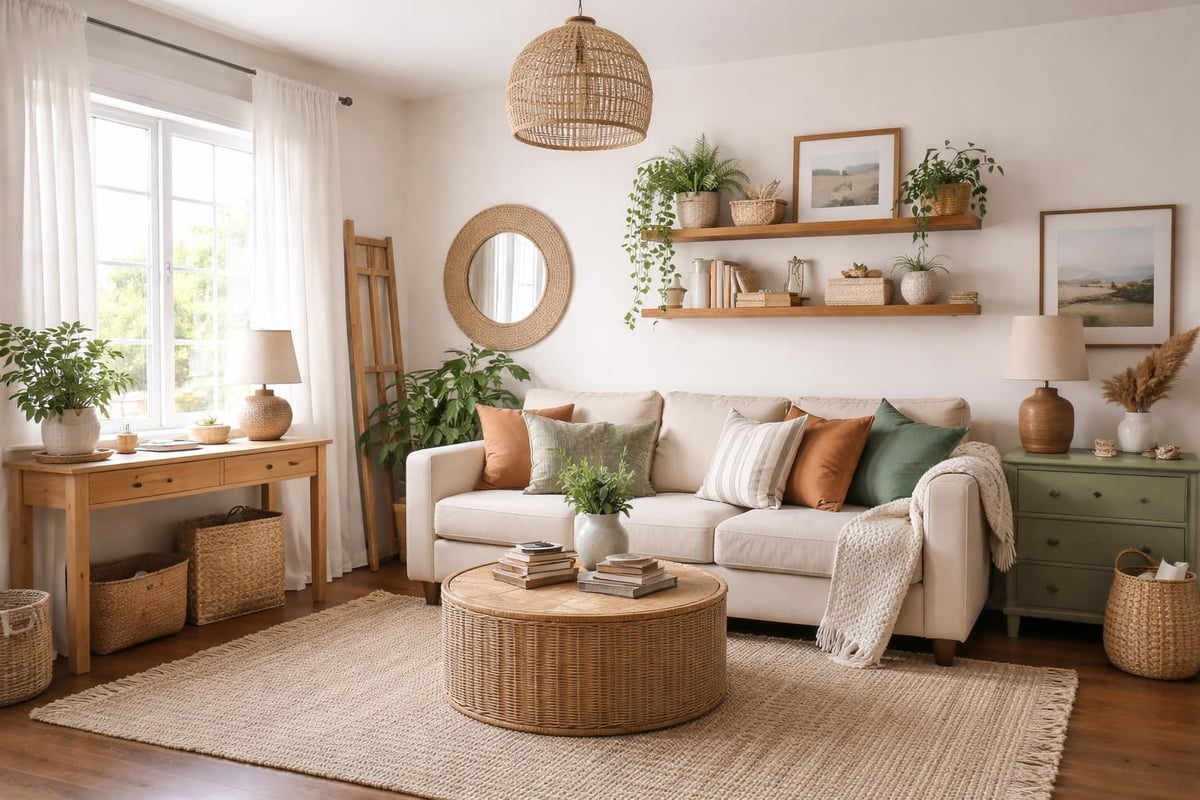
Impactful changes that won't break the bank:
- Paint walls or furniture in fresh colors
- Swap out hardware on cabinets and doors
- Rearrange furniture for a new layout
- Add indoor plants for life and color
- Update light fixtures and switch plates
- Refresh textiles like pillows, throws, and rugs
The Decoratehow blog regularly features budget-conscious projects that deliver maximum impact for minimal investment. Check out creative DIY ideas to upgrade your room using materials you might already have at home.
Repurposing and Reimagining
Before discarding furniture or décor, consider whether it could serve a new purpose. An old dresser becomes a bathroom vanity. Vintage windows transform into picture frames. Mason jars evolve into pendant lights. These decorating ideas for small spaces include clever repurposing suggestions that maximize functionality.
Seasonal Updates and Flexibility
Your room to decorate doesn't need to remain static throughout the year. Small seasonal shifts keep spaces feeling fresh without requiring complete overhauls.
Creating Seasonal Flexibility
Design your room with a neutral foundation that accommodates seasonal accessories. This approach lets you swap pillows, throws, artwork, and decorative objects without disrupting the overall design.
Seasonal update ideas:
- Spring: Fresh flowers, pastel accents, lighter fabrics
- Summer: Bright colors, natural textures, tropical plants
- Fall: Rich textiles, warm metallics, harvest elements
- Winter: Cozy layers, evergreen branches, candlelight
For holiday-specific inspiration, browse our house decoration ideas that adapt to various celebrations throughout the year.
Bringing in Nature
One of the strongest trends continuing through 2026 is biophilic design-incorporating natural elements into interior spaces. Every room to decorate benefits from connections to the natural world.
Indoor Plants and Greenery
Plants purify air, reduce stress, and add living color to your space. Even if you don't have a green thumb, there are low-maintenance options that thrive indoors.
Easy indoor plants for beginners:
- Pothos (tolerates low light and irregular watering)
- Snake plant (nearly indestructible)
- ZZ plant (thrives on neglect)
- Spider plant (forgiving and propagates easily)
- Peace lily (indicates when it needs water)
Beyond living plants, bring nature indoors through wood furniture, stone accessories, woven baskets, and nature-inspired artwork.
Final Touches That Make It Home
The difference between a decorated room and a home lies in personal touches that reflect who you are. These finishing details transform your room to decorate from a magazine-perfect space into somewhere you actually want to spend time.
Personal Collections and Memories
Display items that tell your story-travel souvenirs, inherited treasures, hobby collections, or handmade items. These pieces spark joy and conversation in ways generic décor never can.
Ways to showcase personal items:
- Shadow boxes for meaningful small objects
- Open shelving for book and pottery collections
- Photo ledges for rotating family pictures
- Display cabinets for heirloom china or collectibles
- Framed children's artwork in gallery arrangements
Scent and Sound
Complete your room to decorate by engaging all the senses. Candles, essential oil diffusers, or fresh flowers add pleasing scents. A small speaker for music or a tabletop fountain creates ambient sound that makes spaces more inviting.
Making Your Room Work for Real Life
The most beautiful room fails if it doesn't support how you actually live. Your room to decorate should balance aesthetics with practicality.
Durability Considerations
Choose materials appropriate for your lifestyle. Families with young children or pets need washable fabrics, durable surfaces, and storage solutions that hide clutter quickly. White linen sofas might look stunning, but performance fabrics in similar colors offer beauty without constant anxiety.
Practical material choices:
- Performance fabrics treated for stain resistance
- Leather or faux leather that wipes clean easily
- Washable slipcovers for sofas and chairs
- Sealed wood or laminate flooring instead of carpet
- Quartz countertops that resist staining
Storage Solutions
Every room to decorate needs adequate storage to maintain the organized, peaceful atmosphere you're creating. Built-in solutions, attractive baskets, and dual-purpose furniture keep belongings organized without cluttering surfaces.
Plan storage for the specific items that will live in this room. A home office needs filing systems and supply organization. A bedroom requires clothing storage and bedside essentials. A living room benefits from media storage, book shelving, and blanket baskets.
Transforming any room to decorate becomes manageable when you break the process into thoughtful steps, from understanding your space to adding those personal final touches. The key is creating a room that not only looks beautiful but truly supports how you live and reflects who you are. Whether you're refreshing a single space or tackling your entire home, Decoratehow offers the inspiration, practical guidance, and creative ideas you need to bring your vision to life with confidence.