
Creating an inviting dining space starts with knowing how to decorate the table in ways that reflect your personal style while making guests feel welcome. Whether you're planning a special celebration or simply want to make everyday meals more enjoyable, the art of table decoration combines practical elements with creative touches. From selecting the perfect centerpiece to coordinating colors and textures, every detail contributes to the overall atmosphere. This comprehensive guide will walk you through the essential techniques and creative ideas that transform ordinary tables into memorable gathering spaces for family and friends.
Understanding Table Decoration Fundamentals
When you decorate the table, you're creating a visual foundation that sets the mood for the entire dining experience. The process involves layering elements that work together harmoniously, starting with the table surface itself and building upward with linens, dinnerware, and decorative accents.
Starting with the Base Layer
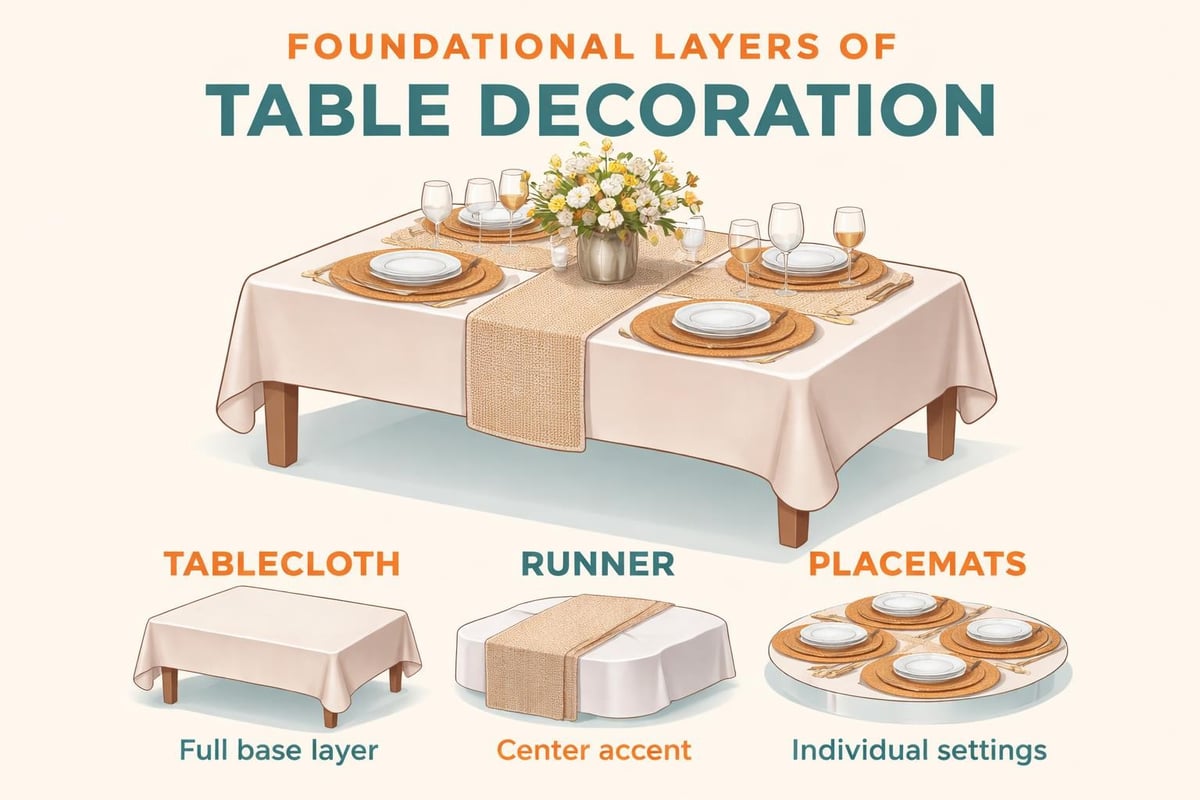
Your table's base layer establishes the color palette and texture for everything that follows. Consider these essential elements:
- Tablecloths: Provide full coverage and formal elegance for special occasions
- Table runners: Add visual interest while showcasing beautiful table surfaces
- Placemats: Define individual dining spaces and protect surfaces
- Bare wood: Creates rustic charm when the table itself is the star
The choice between these options depends on your desired formality level and the occasion. Selecting the right linens plays a crucial role in setting the foundation for your entire tablescape.
Centerpiece Strategies That Make an Impact
A well-chosen centerpiece anchors your table decoration and becomes the focal point that draws the eye. When you decorate the table with centerpieces, balance is key. You want something visually interesting without creating barriers between dinner guests.
Height and Proportion Guidelines
Low centerpieces (under 12 inches) work best for conversation-focused gatherings. They allow guests to see each other across the table while still providing visual interest. Tall centerpieces (over 14 inches) create drama and elegance but should be narrow enough not to obstruct views.
| Centerpiece Type | Best Height | Ideal Occasions | Key Benefits |
|---|---|---|---|
| Floral arrangements | 8-10 inches | Everyday, brunches | Versatile, colorful, natural |
| Candle groupings | 6-12 inches | Dinner parties, romantic meals | Ambient lighting, elegant |
| Seasonal displays | Varies | Holidays, celebrations | Festive, thematic, personal |
| Sculptural objects | 10-14 inches | Modern settings | Artistic, conversation-starting |
Creating Dynamic Centerpiece Arrangements
Rather than placing a single item in the center, consider creating visual triangles with multiple elements. This technique, recommended by design experts, involves grouping objects of varying heights to create depth and interest.
Odd numbers work best: Arrange three, five, or seven items together for the most pleasing visual effect. Mix textures and materials to add dimension to your arrangement.
Place Setting Essentials for Every Occasion
How you decorate the table extends to individual place settings, which can range from casual to highly formal depending on the event. Each element serves both functional and aesthetic purposes.
Basic Place Setting Components
Start with these fundamental pieces and build according to formality:
- Charger plate (optional): Creates a polished foundation
- Dinner plate: The main plate for the entree
- Salad or appetizer plate: Placed on top of the dinner plate
- Bowl: For soups or pasta dishes
- Flatware: Arranged in order of use from outside in
- Glassware: Water glass and wine glasses as needed
- Napkin: Folded creatively or placed in rings
For families seeking creative decoration ideas, mixing and matching plates from different sets can create an eclectic, personalized look that feels both intentional and welcoming.
Advanced Napkin Presentation
Expert table setting techniques include creative napkin folding that elevates the entire place setting. Simple folds like the classic rectangle, the pocket fold for holding utensils, or the fan fold add sophistication without requiring professional skills.
Seasonal and Thematic Table Decoration
The ability to decorate the table according to seasons and themes keeps your dining space fresh and exciting throughout the year. This approach allows you to celebrate changing seasons and special occasions with purpose.
Spring and Summer Table Ideas
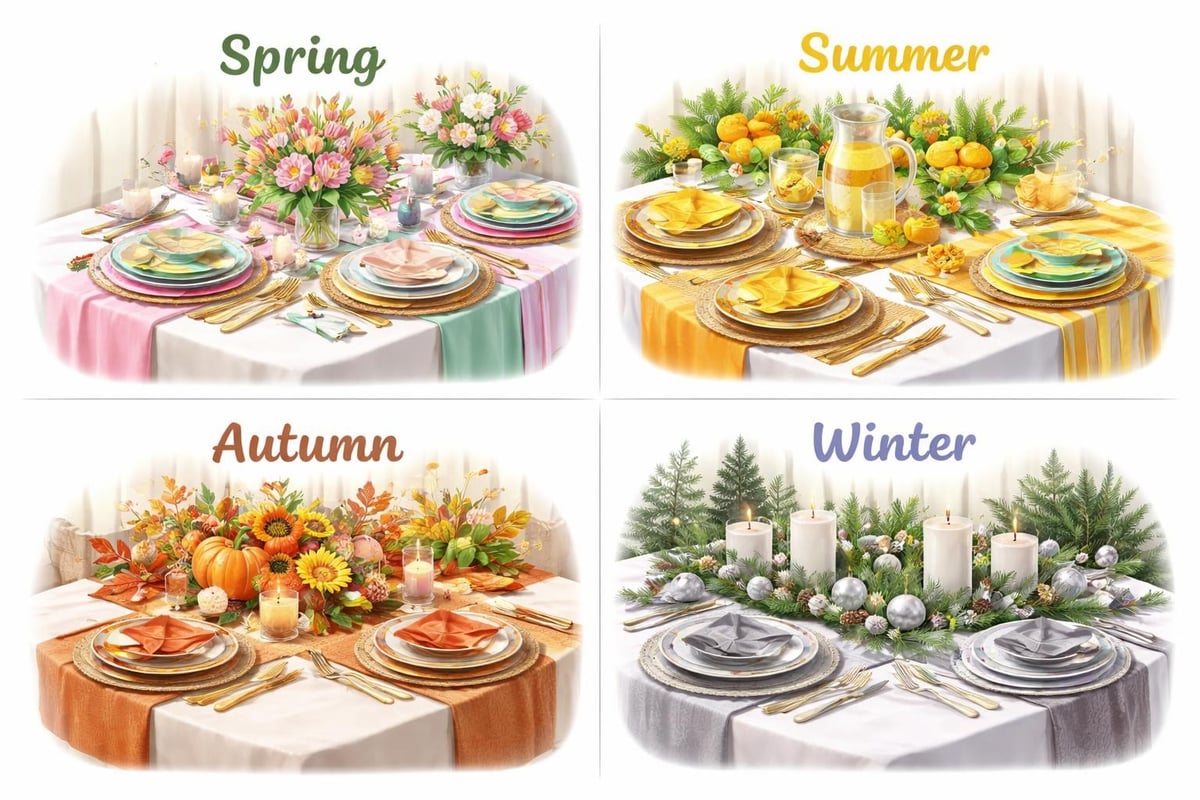
Lighter, brighter elements characterize warm-weather table settings:
- Fresh flowers in pastel shades
- Linen napkins in soft colors
- Natural fiber placemats
- Glass or ceramic serving pieces
- Citrus fruit accents
- Lightweight fabrics
Fall and Winter Table Concepts
Cozy, rich elements dominate cooler-month decorations:
- Deep jewel tones and metallics
- Heavier fabrics like velvet or wool
- Candles for warmth and ambiance
- Seasonal produce like pumpkins or pine cones
- Layered textures
- Warm lighting elements
For those looking to explore holiday decoration ideas, adapting these seasonal concepts to specific celebrations creates cohesive, memorable table settings.
Color Coordination and Pattern Mixing
Successfully coordinating colors when you decorate the table requires understanding basic color theory while maintaining your personal style. The key is creating harmony without being too matchy-matchy.
Choosing Your Color Palette
Select a primary color, then add complementary shades:
Monochromatic schemes: Various shades of one color create sophisticated simplicity
Complementary colors: Opposite colors on the color wheel provide vibrant contrast
Analogous colors: Colors next to each other on the wheel offer gentle harmony
Neutral base with pops: Safe neutrals highlighted with bold accent colors
Pattern Mixing Techniques
Combining patterns adds visual interest when done thoughtfully. Follow these guidelines for successful pattern mixing:
- Vary the scale (large florals with small geometric prints)
- Stick to a consistent color family
- Include at least one solid color to ground the design
- Don't use more than three different patterns
- Consider texture as a pattern alternative
Lighting and Ambiance Considerations
The way you decorate the table should account for lighting, which dramatically affects the overall atmosphere. Lighting serves both practical needs and creates emotional responses.
Candle Placement Strategies
Candles remain the most versatile lighting option for table decoration. Position them strategically:
- Clustered groups: Three to five candles of varying heights
- Linear arrangements: Candles down the center of long tables
- Individual votives: One at each place setting for intimate gatherings
- Hurricane lamps: Protected flames for outdoor dining
Safety considerations matter: keep flames away from fabric napkins, ensure stable bases, and never leave burning candles unattended.
Combining Natural and Artificial Light
During daytime meals, maximize natural light while using decorative elements that catch and reflect it. For evening gatherings, layer different light sources: overhead dimmed lighting, candles, and perhaps string lights for outdoor settings.
Practical Table Decoration for Daily Living
While special occasions deserve elaborate setups, knowing how to decorate the table for everyday use makes dining more enjoyable year-round. Styling tables when not in use keeps your dining area looking intentional rather than neglected.
Everyday Centerpiece Ideas
Simple elements work best for daily decoration:
- A bowl of fresh fruit
- A small potted plant or succulent garden
- A stack of beautiful books
- A decorative tray with a few curated objects
- A single statement vase
Quick-Change Solutions for Busy Families
Create a system that allows you to decorate the table quickly when needed:
| Storage Solution | What to Keep | Time to Set Up |
|---|---|---|
| Labeled bins | Seasonal napkins, rings, small decor | 5 minutes |
| Centerpiece box | Ready-made arrangements | 2 minutes |
| Drawer dividers | Organized flatware and serving utensils | 3 minutes |
| Cabinet shelf | Coordinated dishes by occasion | 5 minutes |
Budget-Friendly Table Decoration Ideas
You don't need expensive items to decorate the table beautifully. Creative thinking and resourcefulness often produce the most charming results.
Repurposing Household Items
Look around your home for unexpected decorative elements:
- Mason jars: Become vases, candle holders, or utensil caddies
- Books: Stack to create height variations
- Mirrors: Reflect light and create the illusion of more space
- Fabric scraps: Transform into unique napkins or table runners
- Natural elements: Branches, stones, or shells from nature walks
For DIY enthusiasts interested in crafting decorative elements, creating your own table decorations offers both cost savings and personal satisfaction.
Thrift Store and Dollar Store Finds
Shop secondhand stores for unique pieces:
- Vintage glassware for eclectic charm
- Decorative plates to use as chargers
- Interesting serving pieces
- Unique candlesticks
- Picture frames (remove glass, use as trays)
Adapting Table Decoration to Different Settings
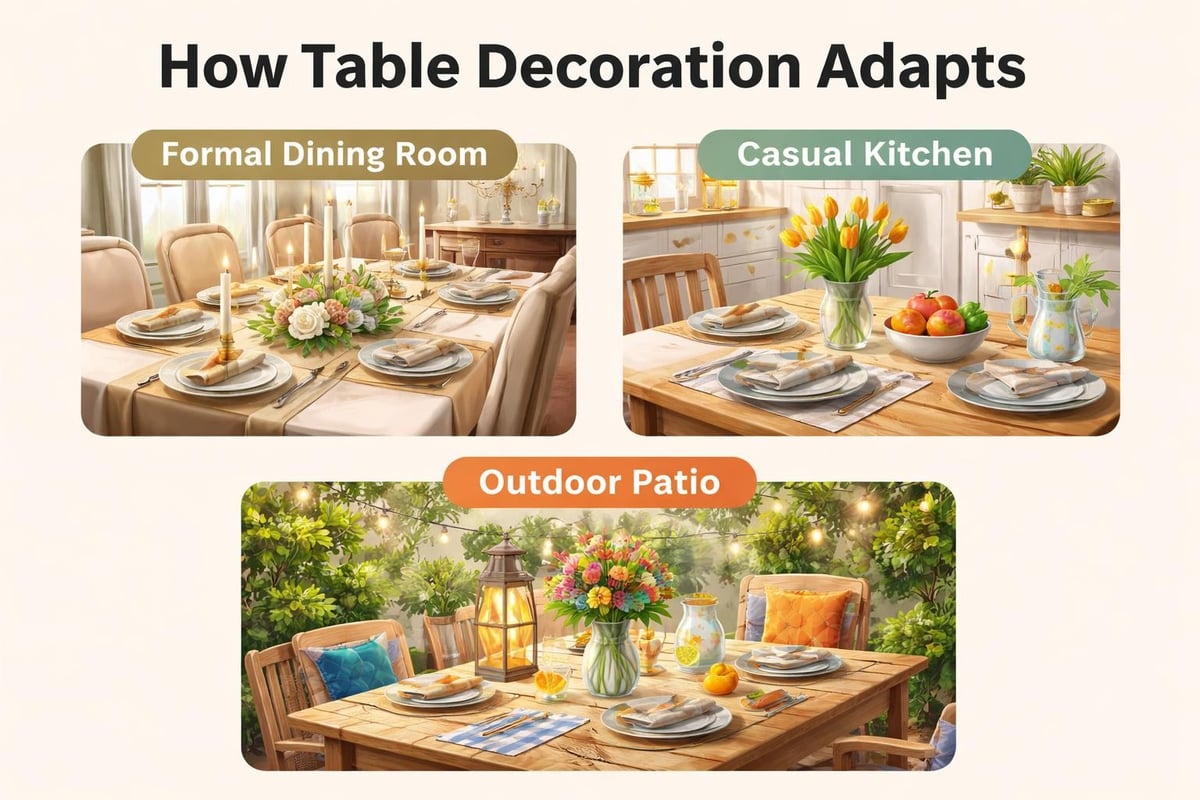
The principles for how to decorate the table shift slightly depending on where you're setting up. Indoor formal dining rooms differ from casual kitchen tables or outdoor patio settings.
Indoor Dining Room Tables
Formal dining spaces allow for more elaborate decoration:
- Full table linens including tablecloths
- Complete place settings with multiple courses
- Sophisticated centerpieces with height
- Fine china and crystal glassware
- Coordinated color schemes
Kitchen and Breakfast Tables
Casual eating areas benefit from relaxed, practical decoration:
- Wipeable placemats instead of tablecloths
- Durable everyday dishes
- Simple, low centerpieces
- Functional napkin holders
- Easy-to-clean surfaces
Outdoor Table Settings
Weather-resistant elements are essential for outdoor entertaining:
- Weighted tablecloths or table clips
- Melamine or bamboo dishware
- LED candles instead of real flames
- Potted plants as centerpieces
- Outdoor-safe fabrics
Creating Visual Balance and Symmetry
Whether you prefer symmetrical formality or asymmetrical creativity, understanding balance helps you decorate the table more effectively. Professional styling tips emphasize the importance of visual weight distribution.
Symmetrical Arrangements
Perfect for formal occasions and traditional aesthetics:
- Identical place settings on both sides
- Centered centerpiece
- Matching candlesticks flanking the center
- Evenly spaced elements
- Mirrored decorative objects
Asymmetrical Arrangements
Better for casual, modern, or creative settings:
- Varied but balanced visual weight
- Off-center centerpieces
- Grouped elements in triangular formations
- Mixed heights and textures
- Organic, flowing arrangements
Personalization and Meaningful Touches
The most memorable table settings reflect the host's personality and make guests feel special. When you decorate the table with personal touches, you create connections and conversations.
Name Cards and Place Markers
Even casual gatherings benefit from thoughtful place markers:
- Handwritten cards on decorative paper
- Natural elements like leaves or stones
- Small photo frames with guest names
- Seasonal items (ornaments, small pumpkins, flowers)
- Edible markers like cookies with names
Incorporating Personal Collections
Display items that tell your story:
- Vintage family china mixed with modern pieces
- Travel souvenirs as decorative accents
- Handmade pottery from local artisans
- Heirloom silverware
- Collected glassware from different eras
Table Favors and Gifts
Small tokens at each place setting add delight. Consider creative making projects that double as both decoration and gifts for guests to take home.
Maintaining and Storing Table Decorations
Protecting your investment in table decorations ensures they remain beautiful for future use. Proper storage and maintenance extend the life of linens, dishware, and decorative elements.
Proper Storage Techniques
Organize decorations by category and season:
- Linens: Clean before storing, fold with acid-free tissue, store in breathable containers
- Dishes: Stack with felt dividers, store in climate-controlled areas
- Glassware: Wrap individually, store upright when possible
- Seasonal decor: Label clearly, keep in accessible locations
- Candles: Store flat in cool areas away from heat
Care and Cleaning Tips
Different materials require specific care:
| Material | Cleaning Method | Storage Notes |
|---|---|---|
| Cotton linens | Machine wash, iron while damp | Fold or roll to prevent creases |
| Silk napkins | Dry clean or hand wash | Store flat with lavender sachets |
| China | Hand wash or gentle cycle | Cushion between plates |
| Crystal | Hand wash with mild soap | Avoid temperature extremes |
| Silver | Polish regularly, hand wash | Store in anti-tarnish bags |
Troubleshooting Common Table Decoration Challenges
Even experienced hosts encounter obstacles when they decorate the table. Finding the right decor solutions often involves creative problem-solving.
Limited Space Solutions
Small tables require strategic decoration:
- Choose low, compact centerpieces
- Use vertical space with tiered stands
- Select smaller-scale dinnerware
- Opt for clear glass to maintain visual openness
- Consider removing the centerpiece during meals
Mismatched Elements
Create cohesion when pieces don't naturally coordinate:
- Unify with a consistent color thread
- Use neutral elements as bridges
- Add texture to distract from mismatches
- Group similar items together
- Embrace eclectic as an intentional style
Budget Constraints
Beautiful tables don't require expensive items. Making attractive table settings on a budget involves creativity and resourcefulness:
- Focus investment on versatile basics
- DIY decorative elements
- Shop seasonally for best prices
- Borrow specialty items for one-time events
- Invest in quality pieces gradually over time
Learning to decorate the table effectively transforms every meal into a special occasion, whether you're hosting a formal dinner party or enjoying a weekday breakfast with family. By combining foundational techniques with personal creativity, you can create table settings that reflect your unique style while making everyone feel welcome. Ready to discover more decoration inspiration and practical DIY projects for every room in your home? Visit Decoratehow for endless ideas, step-by-step guides, and expert tips that help you create beautiful, functional spaces your family will love.