
Your bedroom is more than just a place to sleep-it's your personal sanctuary where you start and end each day. Whether you're looking to refresh a tired space or completely transform your room, learning how to decorate your bedroom can make all the difference in creating a comfortable, stylish retreat. With the right approach and some creative thinking, you can turn any bedroom into a space that reflects your personality while promoting rest and relaxation. Let's explore practical strategies that will help you design a bedroom you'll absolutely love spending time in.
Understanding Your Bedroom's Potential
Before you rush out to buy new furniture or paint, take a moment to assess what you're working with. Every bedroom has unique characteristics that can either work for or against your design goals.
Evaluate Your Space
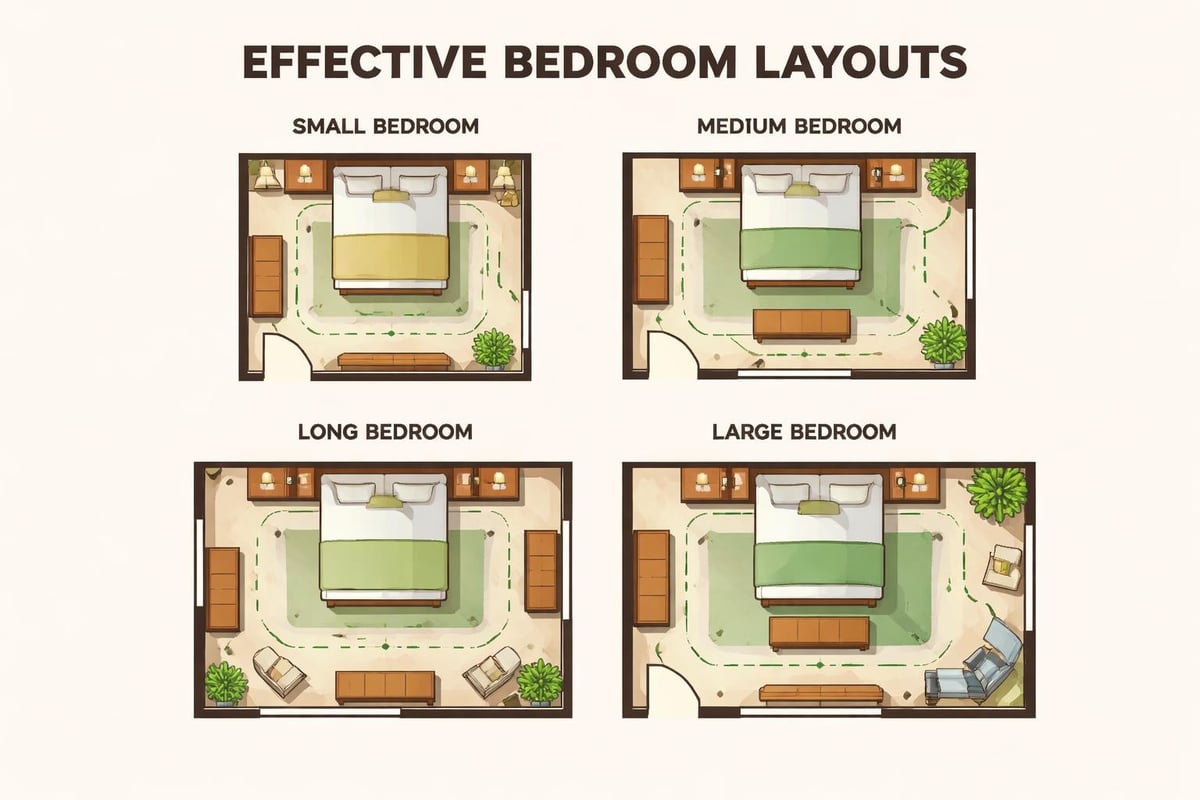
Start by measuring your room dimensions and noting architectural features like windows, doors, and built-in elements. These measurements will be crucial when choosing furniture that fits properly and ensures good flow throughout the space.
Consider these key factors:
- Natural light sources and their direction throughout the day
- Existing architectural elements like crown molding or exposed beams
- Electrical outlet locations for lamps and electronics
- Storage needs based on your wardrobe and personal items
- Traffic patterns and door swing clearances
Your bedroom's layout determines how functional and comfortable the space will be. A room with limited square footage requires different solutions than a spacious master suite, but both can be equally stunning when decorated thoughtfully.
Identify Your Style Preferences
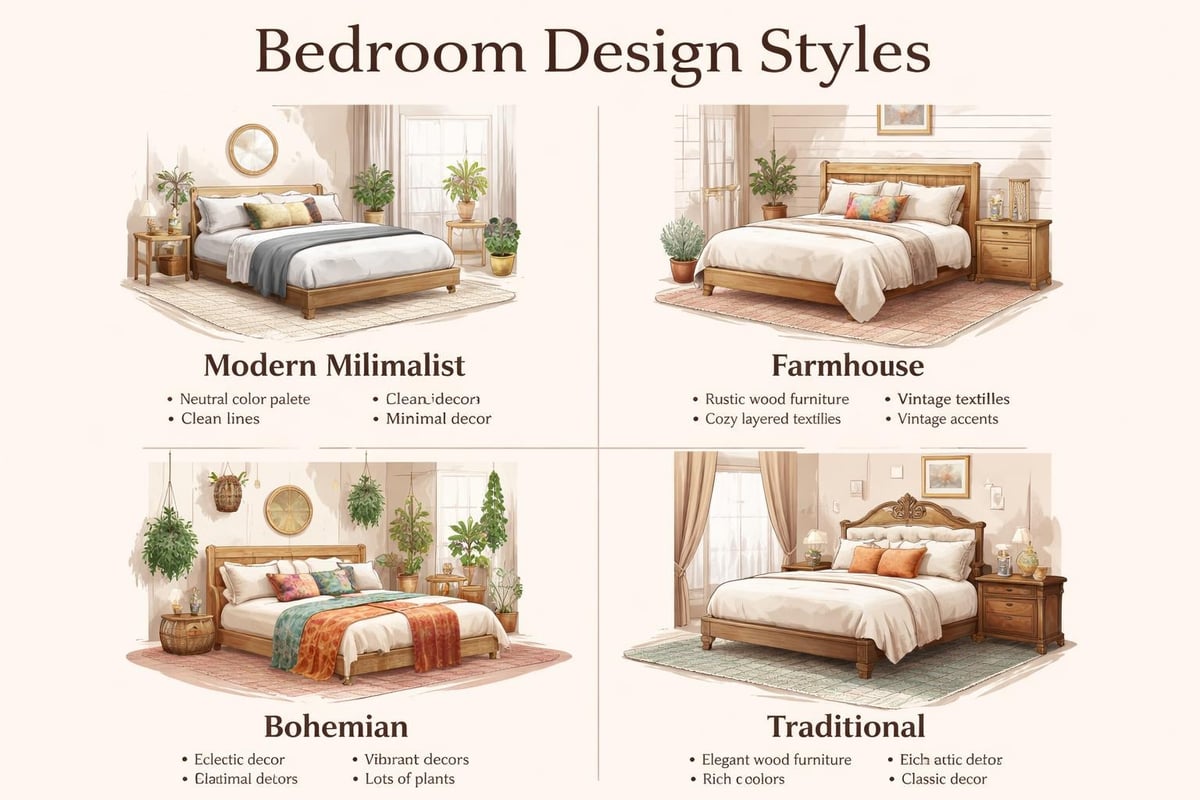
Take time to browse design inspiration and create a vision board. This helps you identify patterns in what appeals to you-whether that's modern minimalism, cozy farmhouse vibes, or elegant traditional styling. When you're ready to explore more decorating inspiration, you'll have a clearer direction for your project.
Selecting the Perfect Color Scheme
Color sets the mood for your entire bedroom, so this decision deserves careful consideration. The right palette can make a small room feel spacious or a large room feel cozy.
Choose Your Foundation Colors
Start with wall colors that promote the atmosphere you want to create. Subtle color choices work beautifully in bedrooms because they create a calming environment conducive to rest.
| Color Family | Mood Created | Best For |
|---|---|---|
| Soft blues and greens | Calming, serene | Stress relief, better sleep |
| Warm neutrals (beige, cream) | Cozy, welcoming | Traditional and transitional styles |
| Soft grays | Sophisticated, versatile | Modern and contemporary designs |
| Pale pinks and lavenders | Romantic, gentle | Feminine or eclectic spaces |
Accent colors should complement your foundation while adding personality. Consider incorporating these through bedding, artwork, and decorative accessories rather than permanent fixtures. This approach gives you flexibility to refresh your look without major renovations.
Layer Colors Strategically
When you decorate your bedroom, think about color in layers. Your walls provide the backdrop, furniture adds the next layer, and textiles and accessories complete the palette. This layered approach creates visual interest without overwhelming the senses.
The popular technique of color drenching involves using varying shades of the same color family throughout the room, creating a cohesive and sophisticated look that feels intentional and polished.
Furniture Selection and Placement
The right furniture makes or breaks bedroom functionality. You need pieces that serve your daily needs while contributing to the overall aesthetic you're trying to achieve.
Start with the Bed
Your bed naturally becomes the room's focal point, so invest in quality here. The headboard, frame, and mattress should align with both your comfort needs and design vision.
Consider these bed placement strategies:
- Center the bed on the longest wall for traditional symmetry
- Angle the bed in a corner to maximize floor space in smaller rooms
- Float the bed away from walls in larger spaces for a luxurious feel
- Position opposite the door for the best visual impact when entering
Add Complementary Pieces
Once your bed is positioned, add furniture that enhances functionality. Nightstands, dressers, and seating should be scaled appropriately for your room size.
Storage solutions deserve special attention when you decorate your bedroom. If your space includes closet doors that feel outdated, consider upgrading to stylish barn door hardware for a modern farmhouse touch that saves space while adding character.
Creating Layers with Textiles and Bedding
Textiles transform a bedroom from simply furnished to beautifully decorated. This is where comfort meets style in the most tangible way.
Build a Luxurious Bed
Quality bedding makes an enormous difference in both appearance and sleep quality. When you design a Pinterest-worthy bedroom, the bed setup takes center stage.
Layer your bedding like this:
- Start with a fitted sheet and flat sheet in quality cotton or linen
- Add a lightweight blanket or coverlet for warmth
- Top with a duvet or comforter in a complementary color
- Include decorative pillows in various sizes and textures
- Drape a throw blanket across the foot of the bed
Incorporate Window Treatments
Curtains and blinds serve both practical and aesthetic purposes. They control light, provide privacy, and soften the room's overall appearance. Choose treatments that complement your color scheme while meeting your functional needs for light blocking and insulation.
Texture variety keeps your bedroom visually interesting. Mix smooth cottons with nubby linens, soft velvets with crisp percales. This diversity creates depth that makes the space feel professionally designed.
Lighting Your Bedroom Effectively
Lighting dramatically impacts how your bedroom looks and feels at different times of day. A well-lit bedroom needs multiple light sources that can be adjusted for various activities.
Layer Your Lighting
Professional designers always incorporate three types of lighting when they decorate your bedroom spaces:
| Lighting Type | Purpose | Examples |
|---|---|---|
| Ambient | Overall illumination | Ceiling fixtures, recessed lights |
| Task | Specific activities | Reading lamps, vanity lights |
| Accent | Highlight features | Picture lights, LED strips |
Dimmer switches give you control over mood and functionality. Install them on overhead fixtures so you can have bright light for cleaning and organizing, then dim down for relaxing evening hours.
Choose Appropriate Fixtures
Your light fixtures should match your bedroom's style. A crystal chandelier suits a glamorous space, while industrial pendant lights work in modern lofts. Bedside lamps should be tall enough to illuminate reading materials when you're sitting up in bed-typically 24 to 27 inches from base to bottom of shade.
Don't overlook the small details like upgrading light switch covers to match your hardware finishes. These touches show attention to detail that elevates the entire design.
Wall Treatments and Artwork
Bare walls make even beautifully furnished bedrooms feel unfinished. Strategic wall treatments add personality and visual interest that completes your design vision.
Select Wall Decor Thoughtfully
When you decorate your bedroom walls, consider scale and proportion. One large statement piece often works better than a collection of small items. Create a gallery wall if you have multiple pieces, but maintain consistent spacing and frame styles for cohesion.
Options for enhancing your walls include:
- Framed artwork or photography
- Decorative mirrors that reflect light and expand visual space
- Removable wallpaper for accent walls
- Floating shelves displaying curated collections
- Textile wall hangings for warmth and texture
Add Architectural Interest
If your walls lack character, you can add it through board and batten, picture frame molding, or accent walls painted in contrasting colors. These treatments create focal points that draw the eye and make the room feel custom-designed.

Incorporating Personal Touches and Accessories
The difference between a beautiful bedroom and your beautiful bedroom lies in personalization. These finishing touches make the space uniquely yours.
Display Meaningful Items
Incorporate objects that tell your story-travel souvenirs, family photos, handmade treasures. These items create emotional connections to your space that generic decor never could. For more ideas on personalizing your space, explore the design resources available from DIY experts.
Fresh flowers or plants bring life and color to bedrooms. They improve air quality while adding natural beauty that changes with the seasons. Even if you don't have a green thumb, low-maintenance options like succulents or snake plants thrive with minimal care.
Style Surfaces Intentionally
Your nightstand, dresser, and other surfaces shouldn't become cluttered catchalls. Style them with purpose using the "rule of three"-grouping objects in odd numbers creates visual appeal.
Consider these styling elements:
- A table lamp for both function and form
- A small tray to corral everyday items like jewelry or watches
- A decorative object that adds height or visual interest
- A scented candle or diffuser for ambiance
- One or two books stacked horizontally
Maximizing Storage While Maintaining Style
Storage challenges plague many bedrooms, but clever solutions keep clutter at bay without sacrificing aesthetics.
Hidden Storage Solutions
When you decorate your bedroom, think vertically and creatively about storage. Under-bed storage boxes, ottoman benches with lift-top lids, and beds with built-in drawers maximize every inch of available space.
Closet organization extends your bedroom's functionality. If you're working with limited closet space, consider a wardrobe or armoire that adds both storage and architectural presence. For more creative storage ideas, check out our guide on cube shelving decoration.
Decorative Storage Options
Baskets, attractive boxes, and vintage trunks serve double duty as both storage and decor. Choose options that complement your color scheme and style, turning necessary storage into design features rather than eyesores.
Flooring and Rugs
The floor anchors your bedroom design and affects both the visual impact and comfort of the space.
Choose Appropriate Rugs
Area rugs define spaces, add warmth underfoot, and introduce additional color and pattern. When selecting a bedroom rug, ensure it's large enough-ideally extending at least 18 to 24 inches beyond each side of the bed.
| Rug Placement | Visual Effect | Best For |
|---|---|---|
| Under entire bed and nightstands | Cohesive, luxurious | Larger bedrooms |
| Extending from foot of bed | Traditional, balanced | Medium-sized rooms |
| Beside bed only (runner style) | Modern, minimal | Smaller spaces |
Rug materials matter for bedroom use. Soft options like wool, shag, or plush synthetics feel wonderful on bare feet, while natural fibers like jute or sisal add texture but may be rougher.
Consider Flooring Updates
If your budget allows, upgrading flooring creates significant impact when you decorate your bedroom. Hardwood, luxury vinyl plank, or quality carpet each offer distinct advantages. Choose based on your comfort preferences, maintenance willingness, and overall design direction.
Temperature and Comfort Considerations
A beautifully decorated bedroom that's uncomfortable to sleep in defeats the purpose. Consider these practical elements alongside aesthetics.
Control Your Environment
Blackout curtains, fans, and appropriate bedding weight all contribute to sleep quality. Your bedroom should maintain a temperature between 60 and 67 degrees Fahrenheit for optimal rest.
Seasonal bedding changes keep you comfortable year-round while giving you opportunities to refresh your bedroom's look. Lighter colors and breathable fabrics work for summer, while richer tones and heavier textures suit cooler months.
Sound Management
If noise disrupts your sleep, incorporate sound-dampening elements. Heavy curtains, upholstered furniture, and plush rugs all absorb sound. White noise machines or soft music can mask disruptive noises from outside or elsewhere in your home.
Bringing Everything Together
Now that we've covered all the essential elements, you're equipped to create a bedroom that's both beautiful and functional. Remember that when you decorate your bedroom, the goal is creating a space that serves your needs while reflecting your personality.
Start with one area-perhaps refreshing your bedding or repainting walls-then build from there. You don't need to complete everything at once. In fact, decorating gradually often leads to more thoughtful choices and better results.
Trust your instincts about what feels right for your space. Design rules provide helpful guidance, but your bedroom should ultimately make you happy and help you rest well. Mix high and low-price items, combine different styles if they speak to you, and don't be afraid to try something unconventional.
The most successful bedroom designs balance form and function. Every decorative choice should either serve a purpose or bring you joy-ideally both. When you achieve that balance, you'll have created a bedroom that truly feels like home.
Transforming your bedroom into a beautiful, restful retreat is absolutely achievable with the right approach and inspiration. By focusing on thoughtful color choices, appropriate furniture, layered textiles, and personal touches, you can create a space that supports both great sleep and your unique style. Whether you're tackling a complete renovation or just refreshing a few elements, Decoratehow offers countless tips, hacks, and creative ideas to guide you through every step of your decorating journey-helping you turn your vision into reality with practical, family-friendly solutions.