
Creating beautiful, functional spaces doesn't require a complete renovation or a designer's budget. At home design is all about making thoughtful choices that reflect your personality while enhancing how you live day to day. Whether you're refreshing a single room or reimagining your entire living space, understanding current trends and timeless principles helps you create environments that truly work for your family. This year brings exciting opportunities to embrace warmer aesthetics, smarter organization, and designs that celebrate both sustainability and personal expression.
Understanding Modern At Home Design Principles
At home design has evolved significantly beyond just choosing pretty colors and furniture. Today's approach focuses on creating spaces that serve multiple purposes while maintaining aesthetic appeal. We're seeing a shift away from the cold minimalism that dominated previous years toward warmer, more inviting environments that tell your story.
The foundation of successful at home design starts with understanding how you actually use each space. Do you need your dining room to double as a homework station? Does your bedroom need to accommodate a reading nook? These questions guide every decision you make, from furniture selection to lighting choices.
Key principles for modern spaces include:
- Functionality first, aesthetics second (though both matter!)
- Flexibility to adapt as your needs change
- Sustainable materials that last
- Personal touches that make the space uniquely yours
- Balance between storage and display
Natural light plays a crucial role in any at home design project. Windows should be treated as assets, not obstacles. Instead of heavy drapes that block sunlight, consider modern bamboo curtains that filter light beautifully while adding texture and warmth to your rooms.
The Power of Micro-Zoning
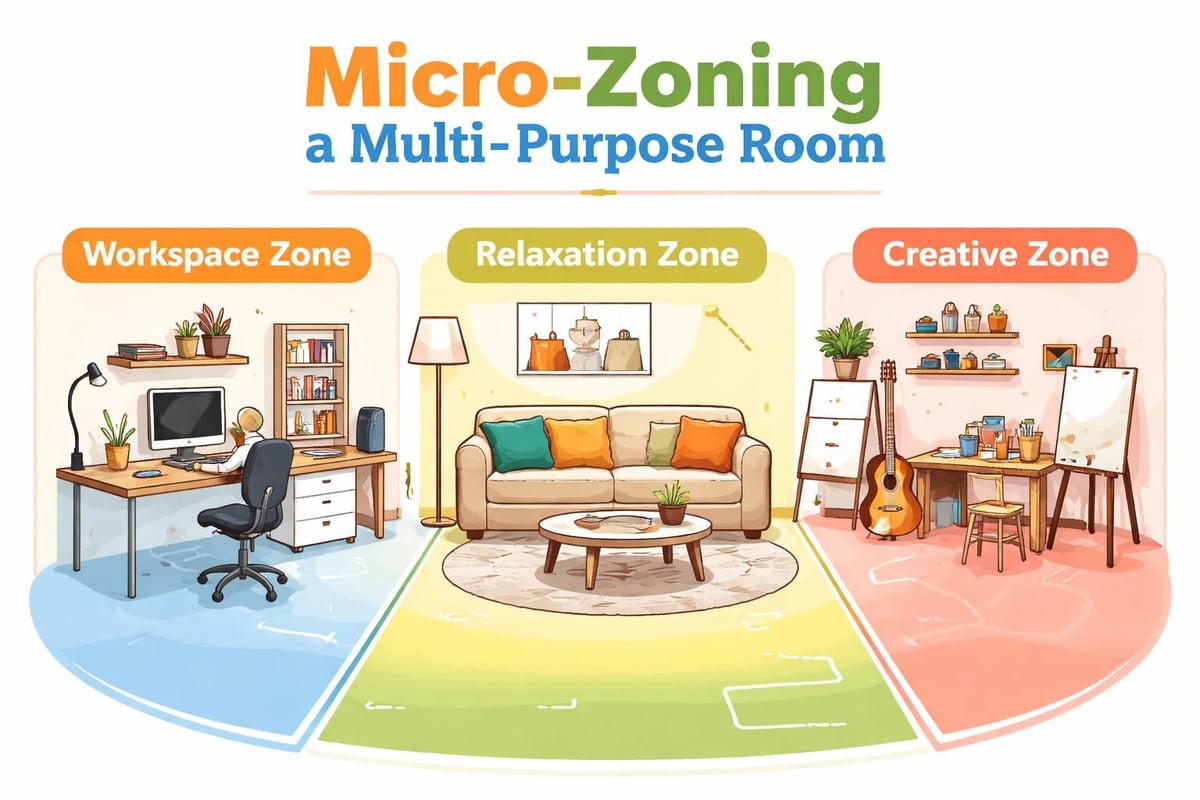
One of the most practical at home design strategies gaining traction is micro-zoning your home. This technique creates intentional spaces within rooms for specific activities without requiring walls or major renovations. Think of it as creating rooms within rooms.
A living room might include a conversation zone around the sofa, a reading corner by the window, and a workspace tucked into an alcove. Each area serves a distinct purpose but flows together visually. This approach maximizes functionality while maintaining an open, airy feel.
Color Choices That Transform Spaces
Color remains one of the most powerful tools in at home design. The hues you choose dramatically impact mood, perceived space size, and overall atmosphere. This year, we're moving away from stark whites and cool grays toward colors inspired by nature and comfort.
Bedroom colors are shifting dramatically away from icy blues and clinical whites. Instead, warm terracotta, sage green, and earthy browns create restful environments that promote better sleep and relaxation. These nature-inspired tones work beautifully in bedrooms, living rooms, and even kitchens.
| Color Trend | Best For | Mood Created | Pairing Suggestions |
|---|---|---|---|
| Warm Terracotta | Living rooms, bedrooms | Cozy, grounding | Cream, olive green, brass |
| Sage Green | Any room | Calm, refreshing | White, natural wood, black |
| Deep Petrol Blue | Accent walls, dining rooms | Sophisticated, rich | Gold, blush pink, cream |
| Warm Beige | Bedrooms, bathrooms | Serene, timeless | Charcoal, rust, soft pink |
Petrol blue is making a strong comeback as an alternative to navy. This rich, moody shade works beautifully as an accent wall or through upholstery and accessories. It pairs wonderfully with warm metals like brass and copper, creating depth without overwhelming smaller spaces.
Working With Existing Features
Not every at home design project starts with a blank canvas. Most of us work with existing architectural features, furniture pieces, or color schemes. The key is learning to work with what you have rather than against it.
If you're renting or can't make permanent changes, focus on what you can control. Removable wallpaper, area rugs, and thoughtfully chosen accessories transform spaces without damaging walls or floors. Even simple changes like updating cabinet hardware or switching out light fixtures make significant impacts.
Furniture Selection and Arrangement
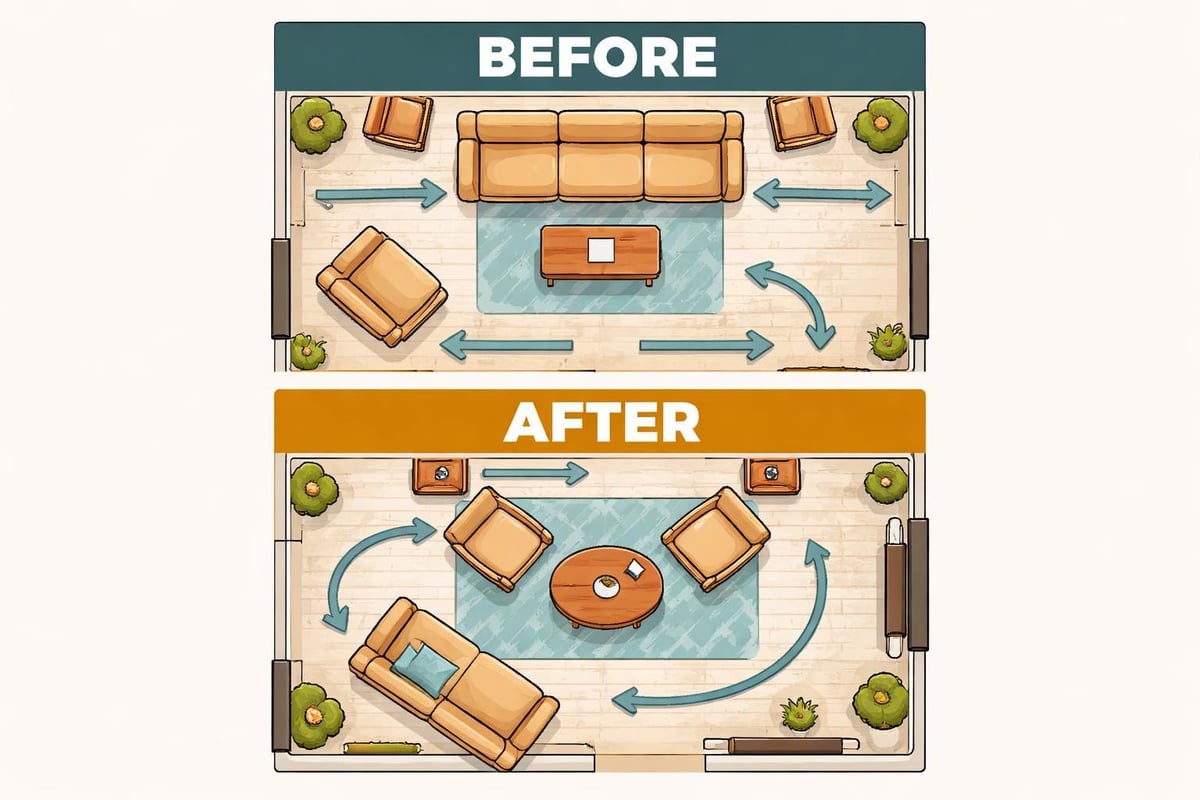
Smart furniture choices define successful at home design. Before buying anything new, measure your space carefully and consider traffic flow. That oversized sectional might look amazing online, but if it blocks pathways or overwhelms your room, it's not the right choice.
When selecting furniture, prioritize:
- Scale appropriate for your room size
- Durability for your household's needs
- Storage capabilities where possible
- Comfort for intended use
- Versatility for future changes
Multi-functional furniture serves DIY enthusiasts and families especially well. Ottoman storage benches, extendable dining tables, and sofa beds maximize limited square footage. These pieces adapt as your needs evolve, offering better long-term value than single-purpose items.
Arrangement matters as much as selection. Floating furniture away from walls often creates better conversation areas and makes rooms feel larger. Create pathways at least 30 inches wide for comfortable movement. Group seating to facilitate conversation rather than forcing everyone to face a television.
Building Character Through Vintage and Handmade Pieces
At home design feels most personal when it incorporates items with history or handmade character. You don't need to furnish entirely with antiques, but mixing vintage finds with modern pieces creates depth and interest that catalog-perfect rooms lack.
Visit thrift stores, estate sales, and online marketplaces for unique pieces. A mid-century dresser, vintage mirror, or antique side table adds personality impossible to achieve with mass-produced furniture. These pieces become conversation starters and make your space truly one-of-a-kind.
For DIY enthusiasts, creating your own decor elements adds even more personal touch. Projects like crafting a baseball wreath or making custom fire pit screens bring personality to your spaces while showcasing your creativity. These handmade touches make houses feel like homes.
Embracing Emerging Design Trends
Staying current with home design trends doesn't mean constantly redecorating. Instead, understand which trends align with your lifestyle and incorporate them thoughtfully. Some movements represent lasting shifts while others are fleeting fashions.
The return to maximalism offers exciting opportunities for at home design. After years of "less is more," we're rediscovering the joy of collections, pattern mixing, and layered textiles. This doesn't mean cluttering every surface, but rather curating displays that reflect your interests and travels.
Medieval-inspired "castlecore" aesthetics bring romance and drama to modern homes. Think arched doorways (or mirrors shaped like arches), rich tapestries, candlelight, and gothic-inspired furniture details. This trend works beautifully when balanced with contemporary elements to avoid theme-park territory.
Nature-Inspired Elements
Design trends for 2025 emphasize bringing the outdoors inside through materials, colors, and organic shapes. Natural wood, stone, plants, and fibers create warmth and connection to nature that sterile modern spaces lack.
Incorporate nature through:
- Live plants in varying sizes and heights
- Natural fiber rugs like jute, sisal, or wool
- Wood furniture with visible grain
- Stone or ceramic accessories
- Botanical prints and nature photography
These elements improve air quality while creating calming environments. Even small apartments benefit from potted herbs on kitchen windowsills or trailing plants on shelves. The visual connection to nature reduces stress and enhances wellbeing.
Lighting Design That Makes a Difference
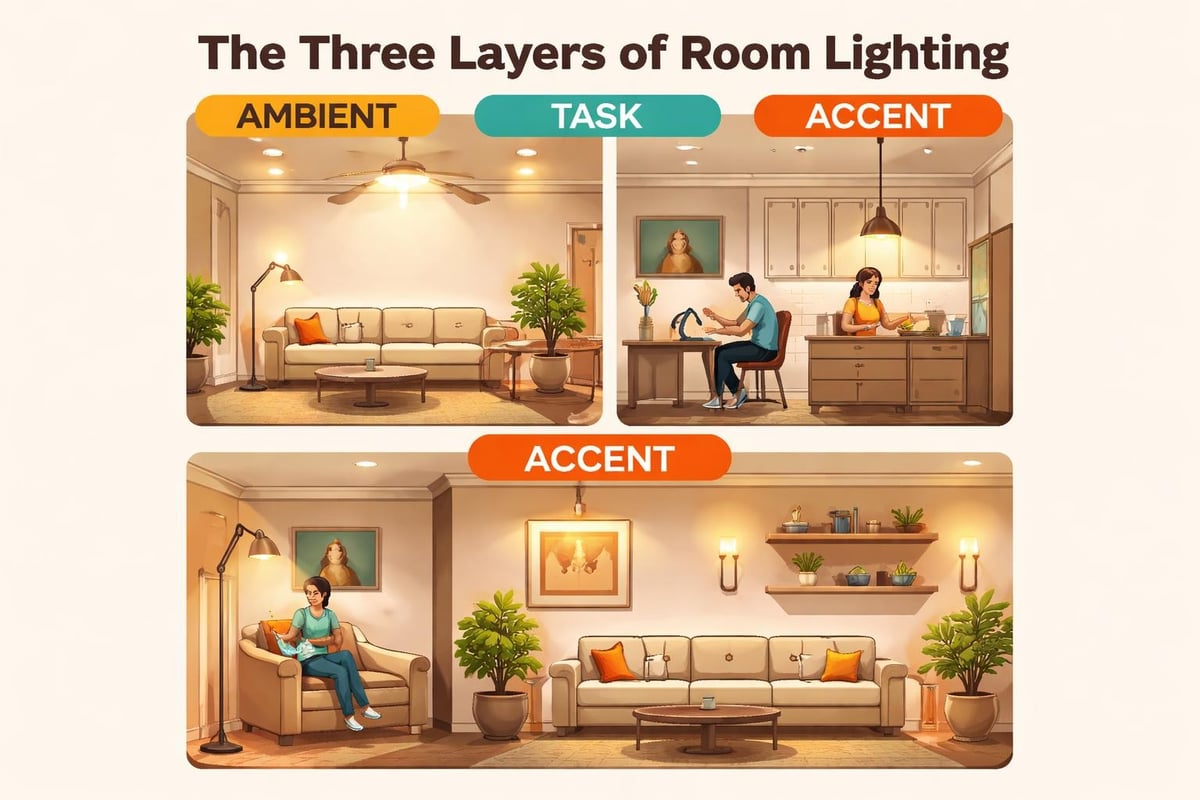
Lighting transforms at home design more than almost any other element. Yet it's often overlooked until the end of projects. Proper lighting requires layering different types: ambient, task, and accent lighting that work together.
Overhead fixtures provide general illumination but create harsh shadows when used alone. Add table lamps, floor lamps, and wall sconces to create warmth and eliminate dark corners. Dimmer switches let you adjust lighting for different activities and times of day.
Effective lighting strategies include:
- Multiple light sources in every room
- Warm bulbs (2700K-3000K) for living spaces
- Task lighting for work areas and reading nooks
- Accent lighting to highlight art or architectural features
- Natural light maximization through window treatments
Consider how lighting affects your color choices. Paint samples look different under various lighting conditions, so test colors throughout the day before committing. What looks perfect at noon might feel entirely different under evening lamplight.
Statement Fixtures as Art
Light fixtures themselves serve as decorative elements in at home design. A sculptural pendant over a dining table or an oversized floor lamp becomes a focal point while serving practical purposes. These statement pieces add personality without requiring wall space or surface area.
Mixing metal finishes once considered taboo now creates visual interest. Brass, black, and chrome can coexist beautifully when distributed throughout a space. This approach feels collected rather than matchy-matchy, adding depth to your design.
Storage Solutions That Maintain Style
Beautiful spaces stay beautiful only with adequate storage. Clutter undermines even the most thoughtful at home design, so planning for belongings deserves priority from the start. The goal is incorporating storage that enhances rather than detracts from your aesthetic.
Built-in storage maximizes awkward spaces like under stairs, around windows, or in alcoves. Custom solutions fit perfectly and increase home value. For renters or those avoiding major renovations, freestanding storage pieces like armoires, bookcases, and sideboards provide flexibility.
Hidden storage maintains clean lines while keeping essentials accessible. Ottoman storage, bed frames with drawers, and hollow benches hide items while serving other functions. These pieces prove especially valuable in smaller homes where every square foot counts.
| Storage Challenge | Solution | Style Tip |
|---|---|---|
| Small entryway | Wall-mounted hooks and narrow console | Choose decorative hooks that double as art |
| Living room toys | Large baskets under console table | Coordinate basket materials with room palette |
| Kitchen counters | Appliance garage or open shelving | Display only attractive items on open shelves |
| Bedroom clothing | Under-bed storage boxes | Use matching containers for cohesive look |
| Bathroom products | Tiered organizers and wall cabinets | Select organizers in complementary finishes |
Personalizing Your Space
The most successful at home design reflects the people living in the space. Your home should tell your story through collected treasures, family photos, artwork, and items from travels. These personal touches distinguish your space from showroom perfection.
Create gallery walls that mix frame styles, art types, and family photos. This curated approach feels intentional rather than cluttered. Include children's artwork, vintage finds, and pieces with sentimental value alongside purchased art. The variety creates visual interest while celebrating your journey.
Display collections thoughtfully rather than scattering items throughout the house. Group similar items like vintage cameras, pottery, or books to create impact. This editing makes collections feel intentional rather than haphazard.
For families looking to add personal flair throughout their homes, exploring our design inspiration provides countless ideas for customization. From seasonal updates to permanent installations, personalizing your space makes it truly yours.
Creating Zones for Different Life Stages
At home design adapts as families grow and change. Spaces that worked beautifully for newlyweds might not suit growing families. Flexible design anticipates these shifts through furniture that adapts and neutral foundations that accommodate changing needs.
Nurseries eventually become kids' rooms, then teen spaces. Choosing quality furniture that grows with children saves money and reduces waste. A crib that converts to a toddler bed, then a full bed, serves for years. Neutral wall colors allow for changing interests without repainting.
Home offices became essential for many families recently. Whether you have a dedicated room or carve out workspace in another area, ergonomic seating and proper lighting protect your health during long work sessions. Screen placement, keyboard height, and chair adjustability matter more than aesthetics for daily use.
Sustainable Choices in At Home Design
Sustainable at home design considers environmental impact alongside aesthetics and function. This approach emphasizes quality over quantity, choosing durable materials that last decades rather than trendy pieces requiring frequent replacement.
Secondhand furniture reduces waste while offering character new pieces lack. Reupholstering quality vintage pieces costs less than buying new while keeping furniture from landfills. Similarly, refinishing existing cabinets transforms kitchens and bathrooms without the waste of complete replacements.
Sustainable material choices include:
- Reclaimed wood for furniture and accents
- Natural fiber textiles like organic cotton, linen, and wool
- Low-VOC paints that improve indoor air quality
- LED lighting that reduces energy consumption
- Locally sourced items that minimize transportation impact
When buying new, research companies committed to ethical manufacturing and sustainable materials. Many brands now prioritize environmental responsibility without sacrificing style. These investments feel better long-term knowing your choices support responsible practices.
Energy efficiency contributes to sustainable at home design too. Window treatments that insulate, strategic furniture placement that improves HVAC efficiency, and natural lighting that reduces electricity use all make differences. These choices benefit both the environment and your utility bills.
Room-by-Room Considerations
Different rooms require different at home design approaches based on their functions. While cohesive style throughout creates flow, each space deserves specific consideration for its unique needs.
Kitchens balance function and beauty. The "work triangle" between sink, stove, and refrigerator still matters for efficiency. Counter space, storage, and lighting determine how well kitchens work daily. Durable materials that withstand heat, moisture, and heavy use prove essential here.
Bedrooms prioritize rest and relaxation. Blackout curtains, comfortable bedding, and calming colors contribute to better sleep. Minimize electronics and work-related items to maintain boundaries between rest and productivity. Personal touches make bedrooms feel like retreats.
Bathrooms require materials that handle humidity and frequent cleaning. Ventilation prevents mold while protecting finishes. Storage keeps counters clear and products accessible. Even small bathrooms feel spa-like with thoughtful details like plush towels, pleasant scents, and good lighting.
Living rooms serve multiple purposes for most families. Durable, cleanable upholstery withstands daily use while maintaining appearance. Flexible furniture arrangements accommodate different activities from family movie nights to entertaining guests. Adequate lighting supports various uses throughout the day.
For specific room ideas, our collection of decoration inspiration covers everything from house decoration ideas to rustic wall decoration, helping you tackle each space with confidence.
Outdoor Living Spaces
At home design extends beyond interior walls to patios, decks, and gardens. Outdoor spaces function as additional rooms during pleasant weather, expanding your living area significantly. Weatherproof furniture, outdoor lighting, and shade solutions create comfortable environments for dining and relaxing.
Container gardens bring greenery to even the smallest balconies. Choose plants suited to your climate and sun exposure. Herbs serve double duty, looking beautiful while providing fresh ingredients. Vertical gardens maximize limited space while creating living walls.
Creating beautiful, functional spaces through thoughtful at home design transforms how you experience your home daily. By focusing on practical solutions, sustainable choices, and personal touches that reflect your family's unique story, you build environments that truly work for your lifestyle. Whether you're tackling a single room refresh or reimagining your entire home, remember that the best designs evolve over time as you discover what works best for you. Ready to start your next project? Visit Decoratehow for more practical tips, creative inspiration, and step-by-step guides that make every DIY project achievable and every space more beautiful.