
Office Decoration Ideas
The office’s decor is key to creating a positive and enjoyable working environment. Decorated offices boost employees’ morale, creativity, and the workplace’s general atmosphere. There are various ways to decorate your office according to style, culture, and budget.
A common approach to office decor is to include elements that represent the mission of the business or brand. It may be done using the company’s logo or colors as decor, displays, or artwork showcasing its core values or business. Other ideas for decorating your office include:
- Planting plants.
- Applying lighting to create a relaxing environment
- Investing in ergonomic and comfortable furniture
Choosing the Right Color Scheme
Selecting the appropriate color scheme to decorate your workplace is a crucial choice because it will affect your overall mood and productivity. Knowing the psychology behind color and following a few tips will aid you in selecting the ideal colors for the workplace.
Understanding color psychology
The field of psychology that studies color studies how colors impact human behavior and feelings. Different colors have diverse effects on moods, levels of energy, and performance. Here are some of the most common colors that are associated with:
- Blue: Blue is frequently associated with calm, focus, productivity, and calm. It is a favorite color for offices since it helps create a feeling of peace and professionalism.
- Green: Green is usually associated with growth, nature, and harmony. It helps bring a sense of peace and calm, making it an excellent option for offices where employees must concentrate and work efficiently.
- Yellow: Yellow is frequently associated with creativity, energy, and optimism. It is a great way to stimulate the mind and boost imagination, making it an excellent option for offices where employees must be motivated and creative.
- Red: Red is usually associated with excitement, passion, and urgency. It helps bring a sense of urgency and focus, making it an ideal choice for offices requiring motivation and focus.
Tips for Choosing the Right Color Scheme for Your Office
Here are some helpful tips for choosing the best colors for the office:
Take a look at your brand. Take a look at the colors that represent your company’s colors and integrate the colors of your brand into your office layout. It can create a consistent and cohesive appearance for your business.
- Consider the purpose of the place: Consider each area within your workplace and select colors that complement that purpose. For example, if your office has a meeting space, it is possible to select colors that promote concentration and efficiency.
- Consider natural light: Consider the quantity of natural light entering your office space and its effect on the color scheme. The colors may appear different under natural light than under artificial lighting, so experiment with different hues in your space.
- Use color accents: If you’re reluctant to apply bold colors to your walls, you could consider colors accented by furniture, decor, and artwork. These can bring pops of color and character to your office without taking over the room.
Take into consideration the dimensions of the space:
Take into consideration the dimensions of your office when selecting the color scheme. Dark hues could make a space look smaller, while lighter colors make a big space feel more open and airy.
Request feedback: Ask your employees’ opinions when choosing the colors. They might have different opinions and perspectives, which can inform your choice.
In the end, selecting the best color plan for office spaces is crucial because it will affect your workspace’s general atmosphere and efficiency. Knowing about color psychology and following a few tips will aid you in selecting the right color scheme that is compatible with your goals for the business and creates an inspiring and positive workplace.
Functional and Stylish Furniture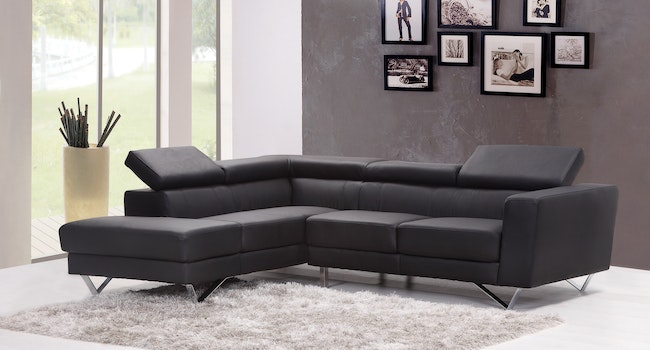
Stylish and functional furniture is crucial to providing an environment that is comfortable and productive. Here are some suggestions for selecting furniture that is practical and stylish.
Choosing ergonomic furniture
The ergonomic furniture was designed to help support the body and improve posture. It can also assist in reducing discomfort and pain during long work hours. Here are some suggestions for selecting ergonomic furniture:
- Chair: Pick a chair that is adjustable in elevation, has back support, and has comfortable seating. It is important to ensure that the chair can be swiveled and has armrests to provide extra support.
- Desk: Pick a desk at the right height that is appropriate for the body. The arms must be positioned at a 90-degree angle while you type, and your feet must be straight on the ground. Think about a standing desk or a desk that can be adjusted to give you flexibility in your posture.
- Keyboard and Mouse: Pick a keyboard and mouse that are comfortable and ergonomic to use. Find ones with a natural curve designed to lessen the strain on your wrists and hands.
Creative Storage Solutions
An organized workspace is crucial to productivity and reducing stress. Here are some innovative storage ideas to help organize your workspace:
- Shelves: Set up shelves on top of or next to the desk to store your most frequently utilized items and make them easily accessible. Utilize decorative containers or baskets to organize smaller items.
- Drawer Organizers: Utilize drawer organizers to store small items like pencils, paper clips, and sticky notes in an organized and easy-to-access manner.
- Vertical Space: Use vertical space with wall-mounted organizers, bulletin boards, or file holders.
Incorporating plants and greenery
The plants and the greenery provide a beautiful accent to your workplace, but they also have many health benefits, such as decreasing stress and increasing productivity. Here are some suggestions to incorporate plants and greenery into your workspace:
- Choose low-maintenance plants: Select plants that require minimal maintenance and will thrive in your workplace. A few examples are pothos, snake plants, and spider plants.
- Use planters: planters with decorative designs can add a chic accent to your workspace. Think about using pots of various dimensions and shapes to create visual interest.
- Hang Plants: Utilize hanging planters to provide greenery to your workspace without taking up desk space.
In the end, selecting modern and functional furniture is crucial to creating a comfortable and productive environment. Ergonomic furniture has imaginative storage solutions and includes plants and vegetation, making for a comfortable and attractive workspace that boosts efficiency and well-being.
Lighting and atmosphere
Lighting is an important element in creating a comfortable and productive work environment. A well-lit workspace can reduce eye strain, increase mood, and boost productivity. Here are some helpful tips for choosing the best lighting for your office and creating a relaxed and comfortable environment.
The importance of lighting
Lighting is a key factor in creating a relaxing and productive work environment. Lack of lighting can result in headaches, eye strain, and fatigue. However, an efficient lighting system can improve productivity and decrease stress. Here are some advantages to excellent lighting:
- Improved Focus: Well-lit lighting can improve concentration and focus, allowing you to perform your work more efficiently.
- Reduced Eye Strain: Good lighting can decrease fatigue and strain in the eyes, which can cause headaches and other problems with vision.
- Increased Productivity: A good lighting system can boost productivity by improving energy and mood.
Types of Lighting for Your Office
There are a variety of lighting options you need to think about when deciding on the best light for the office. Here are the most common types of lighting:
- Task Lighting: Task lighting is a focused light used to light particular work areas, like the work table or desk. Desk lamps, pendant lights, and under-cabinet lighting are just a few examples of task lighting.
- Ambient Lighting: Ambient lighting is general lighting that adds brightness to a space. Lights overhead, in-recessed lighting, and wall sconces can be the most common instances of ambient light.
- Accent Lighting: Accent lighting can emphasize particular areas or objects within rooms, like artwork or other decorative objects. Highlights, track lighting, and picture lighting are a few types of lighting used to highlight certain areas or objects.
Creating a Comfortable and Relaxing Atmosphere
A relaxing and comfortable environment in your workplace can decrease stress and boost productivity. Here are some ideas to create a relaxing and peaceful environment:
Use warm lighting. The warm light can help create a warm and welcoming environment in your office. You can consider using warmer-colored lamps or bulbs to create a relaxing atmosphere.
- Avoid Harsh Glare: The harsh glare of a computer screen can create eye strain and fatigue. Be sure that your lighting is placed to reduce reflections on screens for computers and any other surfaces that reflect light.
- Add Dimmer Switches: Dimmer switches are a great way to modify the brightness of the office to match your mood and level of energy throughout the day.
- Use Natural Light: The natural light source is the most effective because it helps improve mood, ease stress, and improve productivity. If you are able, put your desk in front of windows or put up blinds that block light to allow natural light to flood into your workplace.
Ultimately, selecting the appropriate lighting for your workplace and creating a relaxing environment are essential for your productivity and well-being. Ambient lighting, task lighting, or accent lighting are just a few kinds of lighting you should consider when planning your workplace. A warm lighting environment, avoiding harsh glare, using dimmers, and utilizing daylight are all methods to create a cozy and relaxing environment at work.
Wall Decor and Artwork
Artwork and wall decor can add style and personality to your office or home. Here are some innovative ways to incorporate wall art into your home, ideas for displaying photos and artwork, and tips on making the perfect gallery wall.
Creative Ways to Incorporate Wall Art
Wall art is ideal for bringing personality and elegance to any space. Here are some innovative ways to integrate wall art:
- Use Statement Pieces: Choose a statement piece, like a large sculpture or painting, to create a focal point for the room.
- Create a Themed Wall: Design a wall using themes like adventure or vintage-inspired themes. Use items like maps, old posters, or old frames to achieve a balanced design.
- Mix and Match: Mix and match various types of wall art, like prints, paintings, and photographs, to create an original and diverse display.
- Create a Gallery Wall: Make a gallery wall by combining various pieces of artwork into an elegant and cohesive display.
Tips for Displaying Photographs and Artwork
Artwork and photos are a wonderful opportunity to show off your passions and memories. Here are some ideas for displaying your artwork and photographs:
- Use frames: Frames can give your display an elegant and unifying look. Select frames that match your decor and the hues of your artwork.
- Use mats: Use mats to give dimensions and depth to your work display. Mats also keep your artwork safe from damage.
- Create groupings: Create groups of photos or other artwork to create a coherent display. Use items such as frames or shelves for a distinctive personal display.
- Explore a variety of arrangements. Try different layouts to discover the ideal arrangement for your space. Test different layouts and arrangements until you discover the one most suitable for your space.
How to Create a Gallery Wall
A gallery wall can be an excellent method of displaying several pieces of art in a chic and coordinated manner. Here are some tips for building an art gallery wall:
- Choose Your Wall: Pick a wall large enough to accommodate several artwork pieces.
- Choose your artwork: Select an assortment of artwork, like prints, paintings, and photographs, that complements one another and matches your style.
- Plan Your Layout: Create your layout by placing your artwork on the floor before mounting it to the wall. Try various layouts until you discover the best one for your space.
- Hang your artwork: Display your work with a mix of nails, picture hangers, and adhesive strips. Make sure you use a level to ensure your work is level.
- Add Finishing Touches: Include finishing touches like accessories or lights to finish your gallery wall.
Adding decor and wall art can give any space a unique and stylish look. Using statement pieces, creating a theme wall, mixing and matching various wall art styles, and creating an art gallery are inventive ways to incorporate art into your home. The display of artwork and photographs using mats, frames, and groups can create an attractive and personal display. Making a gallery wall requires picking your wall, selecting your artwork, arranging your layout, hanging the artwork, and adding the finishing details.
Using Textures and Patterns
Utilizing patterns and textures can be a fantastic way to bring the illusion of depth and depth to the office decor. Combining various textures and patterns can help create attraction and make the space more comfortable. Here are some suggestions for using patterns and textures for your office decor.
Adding Depth and Dimension to Your Office
Adding depth and dimension to your office will make it more interesting and welcoming. Here are some ideas to create depth and dimension:
- Layered Textures: Use different textures, such as the woven rug, soft throw, or velvet pillow covers, to create a warm and inviting environment.
- Add a Pop of Color: Give a splash of color to your living space with a vibrant accent piece, such as an attractive vase or decorative throw pillows.
- Mix and Match: Mix and match various textures, such as leather, wood, and metal, to make a unique display.
Combining Different Textures
Combining various textures is a great way to add visual interest to your office décor. Here are some ideas to combine various textures:
- Choose a Dominant Texture: Pick a dominant texture, like a shag carpet or a weaving hanging wall. Mix with other textures, like shiny metal or smooth leather.
- Have fun with scales: Explore the size and texture of your materials by mixing big-scale textures, like a thick knit throw, with smaller-scale textures, like a delicate lacy curtain.
- Use Neutral Tones: Utilize neutral shades such as white, beige, and gray to create a harmonious and elegant look.
Using patterns to add interest
Patterns are another way to create interest in your office interior. Here are some ideas for making use of patterns:
- Choose a Color Scheme: Pick a color scheme for your patterns and stick to the scheme to form a harmonious and elegant display.
- Mix and Match Patterns: Mix and match patterns such as stripes, florals, and polka dots to make a unique and personal display.
- Use Different Scales: Use patterns that are different in size, like a large floral print paired with a smaller Polka Dot print, for an exciting and engaging display.
Texture and patterns are excellent for adding dimension and depth to office decor. Combining textures, adding colors, mixing, and matching textures are all methods to create visual interest in your office space. Mixing patterns, deciding on the right color scheme, and using various scales are tips for incorporating patterns to create interest. Incorporating patterns and textures into your office decor could make it a more welcoming and personal space.
FAQ’s
How can I use office decoration ideas to make my workspace comfortable?
There are a lot of ways to decorate an office to make it a comfortable place to work. This could mean using chairs and desks that are comfortable to sit in, letting in natural light through window treatments, decorating the workspace with plants or other greenery, or using soft lighting or lamps to create a cozy atmosphere.
How can I decorate my office to reflect my brand or company culture?
Color schemes, artwork, and typography are all options for incorporating your brand or company culture into office decor. You can also use logos or branded merchandise on things like notebooks and mugs. Moreover, you can show the organization’s statement of purpose or values in an unmistakable region.
How can I use office decoration ideas to organize my workspace?
Using desk organizers, filing systems, and storage options like shelves or cabinets can help you organize your workspace. You can also keep track of important deadlines and tasks by using a chalkboard or whiteboard. Color-coded folders or labels can also be used to organize paperwork.
How might I add character to my work area with office embellishment thoughts?
Adding character to your work area should be possible using fine art, photographs, and individual things like books or collectibles. You can likewise utilize bright or designed work area adornments and capacity arrangements. You can also decorate the space with a hobby or interest, like sports or music.
How might I make a cooperative work area with office design thoughts?
Open layouts, communal workspaces like conference tables or couches, and interactive decor like whiteboards or cork boards can all be used to create a collaborative workspace. You can likewise utilize beautiful or special seating choices to energize communication and discussion among colleagues.
With these office decoration ideas, how can I create a workspace that is both stylish and professional?
Making an expert yet in vogue work area can be accomplished using unbiased tones like dark, white, and dim, with pops of variety or metallic accents. You can likewise utilize smooth and present day furniture plans like glass or metal work areas and seats. In addition, you can personalize the space by using large works of art or distinctive lighting fixtures.