
How To Design A Small Dressing Room?
The design of a modest dressing area requires well-planned space use and a well-planned arrangement. Start by measuring the size available and determining the most suitable place for the dressing area. Pick a layout that is efficient in vertical space. For example, the installation of shelving, rods for hanging, and hooks to organize clothes and other accessories. strategically use mirrors to create an illusion of space and reflect light. Consider furniture that can be used for multiple purposes, such as a dressing table with built-in storage or an ottoman with hidden compartments. Try using lighter shades to make the room appear brighter and more prominent. Ensure you have adequate lighting, such as work lighting around mirrors, to ensure proper visibility. Also, customize the space with accessories that complement your style and create an inviting and relaxing space for dressing up and getting ready.
How Do You Design An Intimate Dressing Room In A Small Space?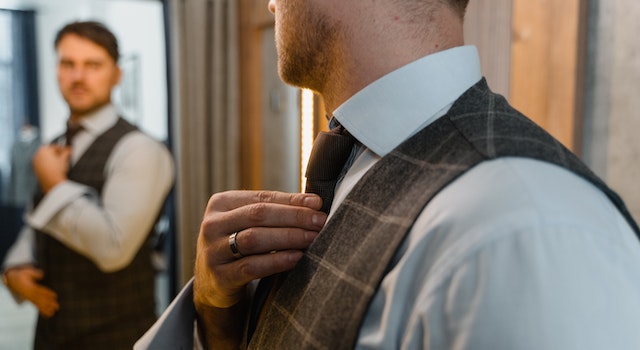
You can create a small space to build your dressing space, like an office or boot space. It is possible to transform an unoccupied corner of the bedroom into a chic vanity space by installing floating shelves and a wall-mounted drawer unit.
Declutter and Organize
Before designing your dressing space, clear your home and dispose of things you don’t require or use. This is crucial when you have a small space since it allows you to maximize your available space without wasting valuable storage space on unused objects.
After you have cleared out your clutter, arrange your shoes, clothing, and other items. Consider sorting them according to categories or colors to help you identify what you need while getting dressed.
Utilize Vertical Space
In a modest dressing area, vertical space can be your ideal companion. Install floating shelves or wall-mounted racks for maximum storage without consuming precious floor space. Use the top shelves for things you seldom use, like seasonally appropriate clothing or other special occasion items.
You can put hooks or pegs on the walls to hang scarves, bags, and caps. They will be easy to find and accessible while leaving shelves and drawer space.
Invest in Multi-Functional Furniture
Choose multi-functional furniture pieces that can serve multiple purposes. For example, the storage ottoman could serve as seating and provide extra storage space for shoes or accessories. A dressing table with drawers is a great place to store your makeup products and other beauty items and eliminates the need for a separate vanity.
Use Mirrors to Create the Illusion of Space
Mirrors are a great way to visually expand the space of a room. They reflect light, creating illusions of depth and making the space appear more spacious. Think about adding a full-length mirror or a few mirrors on the walls to create this illusion and provide a functional area for dressing.
Opt for Sliding Doors or Curtains
The traditional swinging door can consume large amounts of room in a tiny space. Instead, you should consider the installation of sliding curtains or sliding doors in your dressing space. Slider doors, such as the barn and sliding doors with mirrors, are elegant and efficient in the area. Additionally, curtains are an economical and flexible way to separate your dressing space.
Choose Light Colors and Good Lighting
The light colors of the furniture and walls make a room appear more airy and spacious. Select pastel or neutral colors with a reflective effect, creating a cheerful and inviting environment. Also, consider investing in quality lighting, such as task lighting on your dressing table and ambient lighting, to establish the mood.
Make it easier to organize your home with Storage Containers.
To keep your dressing space neat and tidy, use bins and storage containers. Transparent containers are great for storing accessories like belts, scarves, and jewelry since they allow you to look inside. Labeled containers can also aid in finding the items you need.
How Can I Then Design An Area For Dressing?
A full-length mirror is essential if you would like to transform the closet into a walk-in wardrobe and dressing area. Consider incorporating a spot for dressing and a comfy stool or chair in the same way so that you can showcase your items and relax while you prep, dress, and slip on shoes.
Choose the Right Location
The first step to creating the dressing space is to choose the best spot. It must be an area with plenty of natural light and enough room to move about comfortably. Look for areas close to windows or that receive sunlight to make getting ready more straightforward and pleasant.
They can be great alternatives for dressing rooms if you have an extra room, such as a walk-in closet or an enormous alcove. But don’t get disappointed if you’re limited by space. Even a tiny corner of your bedroom could be turned into a practical dressing area.
Select a Dressing Table or Vanity
A vanity or dressing table is the focal point of any dressing space. Pick one that aligns with your style and complements the space available. Find the right dressing table with sufficient space to accommodate your essentials for beauty and a mirror that permits you to see clearly.
Think about a vanity that has shelves or drawers for more storage. This will keep your tabletop clutter-free and neat.
Incorporate Smart Storage Solutions
Storage is essential for dressing rooms to ensure everything is neat and easy to access. Ensure you have innovative storage options, including open shelving, drawers, and partitions. Utilize open shelves to showcase your favorite accessories or organize your shoes. Drawers are great for storing socks, undergarments, and smaller objects.
Consider putting dividers or organizers inside drawers to organize jewelry, accessories, and cosmetics. Placing pegboards or organizers on the wall could offer extra storage space for scarves, bags, belts, and other items.
Set Up a Full-Length Mirror
A full-length mirror on the floor or wall is a must in any dressing room. It lets you see your entire outfit and ensures that everything is perfect before going out. If you have the space, consider putting a large mirror on the floor, against the wall, or on the door.
If you have a smaller space, choose the full-length mirror with an integrated jewelry cabinet or storage in the back.
Add Adequate Lighting
A sound lighting system is vital in dressing rooms, mainly when you apply makeup. It would help if you considered installing lighting for your vanity table or dressing table. Lighting fixtures for a vanity that can be adjusted in brightness are a great option since they can be a natural-looking light source and help to avoid dark shadows.
What Color Is Best To Use In A Dressing Area?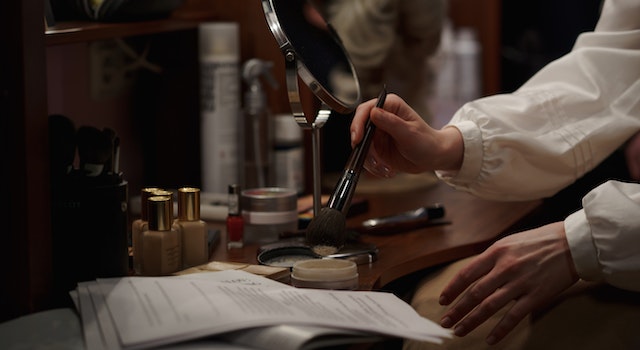
If you’d like the atmosphere of your dressing area to be clean and fresh, A light and airy color scheme is a good choice. The predominant color should be cream, white, or pale gray. Be sure that the light fixtures you install emit an intense white light to reflect the light in the room properly.
Consider Natural Light
Before deciding on a color, think about the amount of light your room receives. The natural light will affect the hues that appear in a room. If your dressing area is lit by plenty of sunlight, you may explore bolder and darker shades. But lighter shades are better in areas with limited sunlight since they can make the room appear brighter and more spacious.
Neutral Tones for Timeless Elegance
Neutral tones like gray, white, and beige are timeless and perfect for dressing rooms. They create a sleek and sophisticated background, allowing your clothes and accessories to make an impact. Neutral tones can also give a feeling of peace, making them an excellent option for those who want an energizing and relaxing dressing area.
Embrace Calming Pastels
Soft pastel shades like pastel pinks, light blues, and greens create a tranquil dressing space. Pastels bring a sense of class and sophistication and are prevalent in dressing areas. They are particularly effective in creating a peaceful and relaxing atmosphere for getting dressed.
Energy up your senses. Vibrant hues
If you’d like an area for dressing with more vibrancy and energy, think about using bright and vivid hues. Reds, oranges, and deep blues can bring excitement and dynamism to your room. But be cautious of applying too many of these vivid colors because they could be overwhelming. Consider using these colors as an accent or a feature wall to create an accent area.
Be Glam and Shiny with Metallics
Metallic colors, like silver, gold, and copper, can give your room a hint of elegance and luxury. These shades create a classy, lavish look, especially with luxurious fabrics and textures. Think about using metallic accents on frames, mirrors, or other hardware to enhance the room’s overall appearance.
Keep warm with warm Tones.
Warm hues like dark reds, deep oranges, and yellows can create a warm and cozy ambiance in your dressing area. These hues create a sense of warmth and comfort, which is why they are ideal for creating a comfortable and relaxing dressing space.
Create contrast with dark Colors.
Dark colors, like charcoal gray, navy blue, or deep plum, can create a sense of sophistication and drama in your bedroom. If used carefully, the dark shades contrast with lighter furniture and accessories, making them appear more prominent.
Test Samples before Committing
Before painting the whole room, try out paint samples on various walls to observe what they look like in different lighting conditions. The color of the walls can vary depending on the lighting and size of the space, and it’s crucial to determine how they perform within your particular area.
Customize your look with accessories.
Always remember that you can use accessories to bring color and character to your room. It doesn’t matter if it’s art, curtains, rugs, or even decorative objects. Accessories can add design and color to your space without committing to a specific wall color.
How Do You Arrange Your Clothes In A Dressing Area?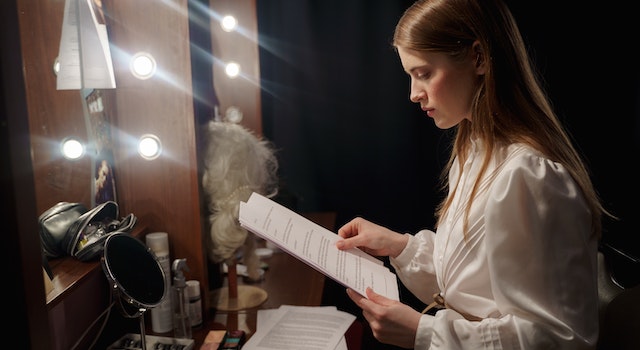
Sort your clothes into categories (shirts and dresses, skirts and pants), by accessories, etc., and also by color to help you navigate your wardrobe more efficiently. Make sure that your clothes are easy to fold vertically, and put them in drawers or in beautiful storage baskets placed on shelves. Put shelves on your shelves to make storage more efficient.
Declutter and Sort
The first step to organizing your clothes in your dressing area is to clean out your wardrobe. Sort through your clothes and determine what you don’t need. Consider selling or donating them to clear space and keep your closet neat.
Sort your clothes into groups like tops, bottoms, dresses, and outerwear. The initial sorting makes it easier to sort and organize your clothes.
Maximize Hanging Space
Make use of hanging spaces to organize your blouses, dresses, or jackets. Choose sturdy and top-quality hangers to avoid clothes sliding off or becoming damaged. Think about using a uniform hanger for an organized and neat appearance.
Utilize double-hanging and extendable rods to make the maximum use of the vertical area. This is particularly helpful for dressing rooms with little hanging space.
Utilize Shelves and Cubbies
Cubbies and shelves are ideal for organizing folded clothes such as sweaters, jeans, and other accessories. Utilize baskets or bins to collect smaller items and avoid clutter on shelves.
Then, fold them neatly and stack them horizontally for maximum space. This way, you can effortlessly see your entire collection without disrupting the stack.
Drawer Dividers and Organizers
Drawer organizers and dividers are necessary to keep small clothing items, like socks or underwear, and scarves organized and easy to access. Please make use of compartmentalized trays and fabric drawer dividers to keep different things separate to prevent them from becoming mixed in.
Install Hooks and Pegs
Hooks and pegs help hang accessories such as belts, scarves, and bags. Put them on the door’s back and walls or within the doors of closets to use often overlooked spaces.
Shoe Storage Solutions
Shoes can occupy an enormous amount of space in the dressing room. Utilize shelves for shoes, shoe racks, and clear boxes for shoes to help keep your shoes neat and easily accessible. Think about organizing your boots according to kind or color to make an attractive display.
FAQ’s
What are the essential elements to consider when designing a small dressing room?
When designing a small dressing room, focus on maximizing storage space with efficient organizers like shelves, drawers, and hanging rods. Utilize mirrors to create an illusion of space and incorporate proper lighting for a functional and visually appealing setup.
How can I optimize storage in a limited dressing room area?
To optimize storage, use vertical space wisely with tall cabinets or shelves. Consider using multi-functional furniture like a storage ottoman or a mirrored wardrobe. Utilize the back of the door for hanging accessories or hooks for belts and scarves.
What color scheme works best for a small dressing room to make it feel spacious?
Light and neutral colors like whites, creams, pastels, or soft grays are ideal for small dressing rooms. They reflect light and create an open, airy feeling, making the space appear larger.
Are there any space-saving design ideas for a small dressing room?
Absolutely! Consider sliding doors for the wardrobe, as they save space compared to traditional swinging doors. Use wall-mounted mirrors to free up floor space and opt for a fold-down or pull-out dressing table that can be tucked away when not in use.
How can I enhance the lighting in my small dressing room?
Natural light is best, so try to place the dressing room near a window. If natural light is limited, use bright LED lighting fixtures, especially around the mirror area. Avoid heavy curtains or dark window coverings that may block light.
Any tips for organizing accessories and jewelry in a small dressing room?
Yes, use compartmentalized trays or small boxes to keep jewelry and accessories organized and easily accessible. Hang a pegboard or use a jewelry organizer on the back of the closet door to save space and keep items within reach. Additionally, consider using drawer dividers to separate and categorize different accessories efficiently.