
Creating a fully fitted bathroom can transform your home. It is a space where comfort meets function. The process involves planning, selecting the right materials, and proper installation. A well-designed bathroom enhances daily routines and adds value to your home. Before starting, consider the space available, your budget, and style preferences. A functional layout helps avoid clutter and ensures smooth movement. Planning also includes plumbing, ventilation, and lighting. Each choice should balance aesthetics with practicality. With careful preparation, the installation process can be efficient and stress-free. Understanding the key steps in building a fully fitted bathroom helps homeowners make informed decisions. This approach ensures that the finished space is both visually appealing and highly functional, providing lasting satisfaction.
Planning Your Bathroom Layout
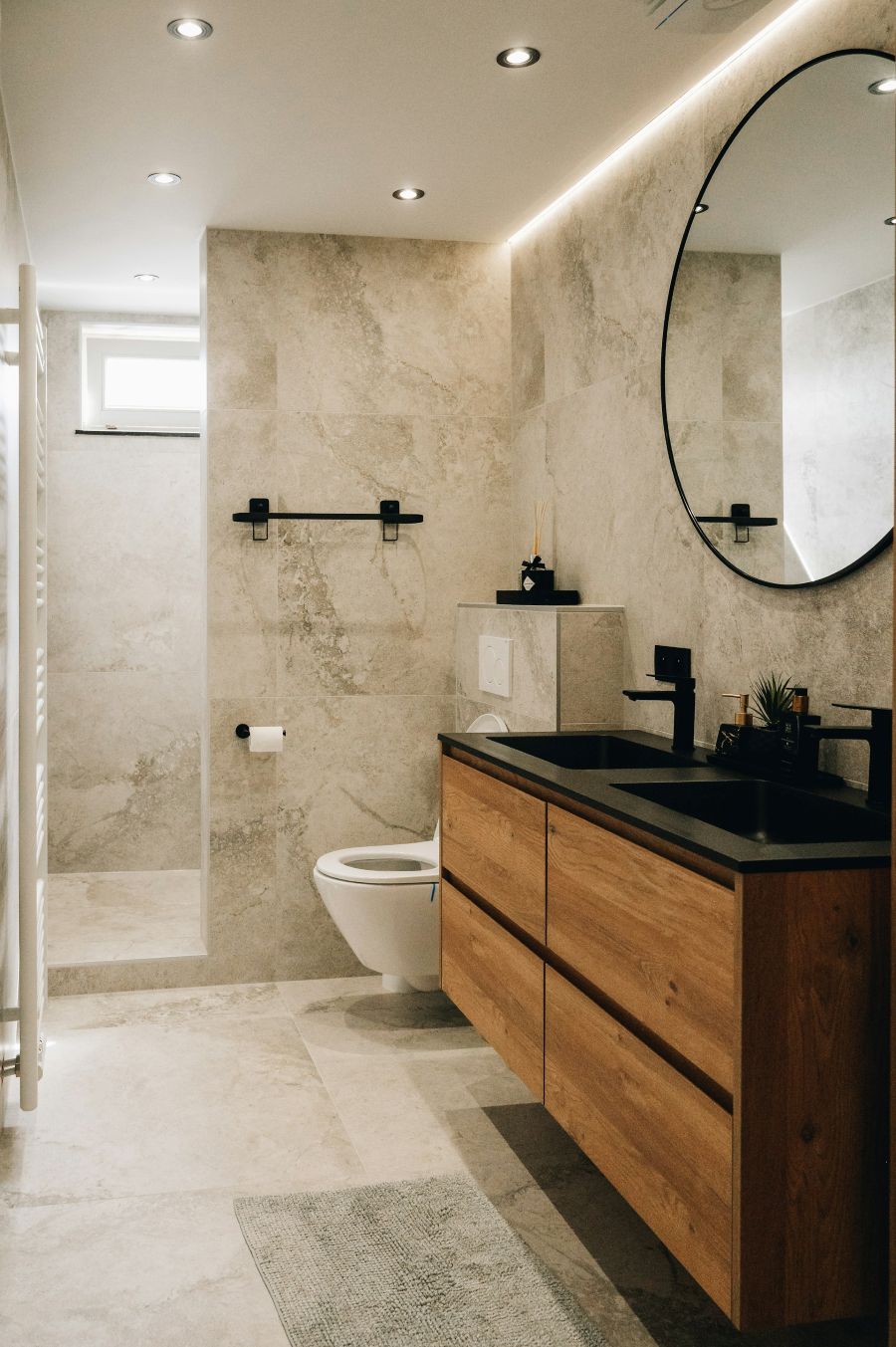
The first step in creating a fully fitted bathroom is planning the layout. Measure the space accurately to understand what can fit comfortably. Consider where the shower, bath, toilet, and sink will go. Ensure there is enough room to move around safely. Think about storage options such as cabinets and shelves. Positioning plumbing fixtures effectively is important to avoid costly adjustments later. Lighting also plays a role in the layout. Natural light is ideal, but artificial lighting should illuminate key areas. Ventilation is essential to prevent mold and moisture damage. A good layout balances practicality with comfort. Sketching a floor plan or using digital design tools can help visualize the space. Planning carefully reduces mistakes during installation and helps achieve a cohesive, functional design for your fully fitted bathroom.
Choosing Materials and Fixtures
Selecting the right materials and fixtures is crucial for a fully fitted bathroom. Durable materials withstand moisture and daily use. Tiles, stone, and waterproof paints are common choices for walls and floors. For fixtures, consider both quality and ease of maintenance. Showers, baths, sinks, and toilets should fit your space and lifestyle. Storage units should be functional while matching the overall design. Faucets, taps, and showerheads need to be efficient and resistant to corrosion. Lighting fixtures should be moisture-resistant if near water sources. Accessories like towel rails and mirrors add convenience and style. Choosing materials and fixtures with care ensures longevity and reduces future repairs. A combination of practical and visually appealing elements creates a bathroom that is both comfortable and stylish. Thoughtful selection is key to a successful fully fitted bathroom project.
Installation Process
Once the planning and materials are ready, the installation begins. Start with plumbing and electrical work. Pipes, drains, and wiring must meet safety standards. Installing waterproofing layers prevents leaks and damage. Next, fit large elements like baths or showers, followed by toilets and sinks. Tiling or wall finishes come afterward, ensuring clean, durable surfaces. Cabinets and storage units are then installed. Fixtures like taps, showerheads, and lighting are added last. Working step by step avoids mistakes and keeps the project organized. Hiring qualified professionals for specialized tasks like plumbing and electrical work is recommended. Proper installation ensures safety and functionality. A well-executed installation brings your vision of a fully fitted bathroom to life, combining durability, comfort, and style.
Finishing Touches and Maintenance
The final stage is adding finishing touches and planning for maintenance. Mirrors, towel racks, and accessories complete the look of your fully fitted bathroom. Sealing tiles and grout protects surfaces from moisture. Regular cleaning and proper ventilation maintain hygiene and prevent mold. Inspect plumbing and fixtures periodically to catch leaks early. Small upgrades like improved lighting or storage solutions can enhance usability. Choosing materials that are easy to maintain saves time and effort. Proper care ensures your bathroom stays attractive and functional for years. Attention to detail in finishing touches elevates both aesthetics and comfort. By combining smart design, quality materials, and careful maintenance, your fully fitted bathroom becomes a practical, lasting, and enjoyable space in your home.