
Your front porch is the first impression visitors get of your home, and in 2026, homeowners are rediscovering the value of this outdoor space. Whether you have a sprawling wraparound porch or a compact stoop, learning how to design front porch areas effectively can transform your home's curb appeal while creating a functional outdoor living space. This welcoming transition zone between your yard and interior deserves thoughtful planning, creative touches, and personal style that reflects your family's personality.
Understanding Your Front Porch Potential
Before diving into design elements, you need to assess what you're working with. Porch dimensions, architectural style, and exposure to weather all influence your design decisions.
Measuring and Planning Your Space
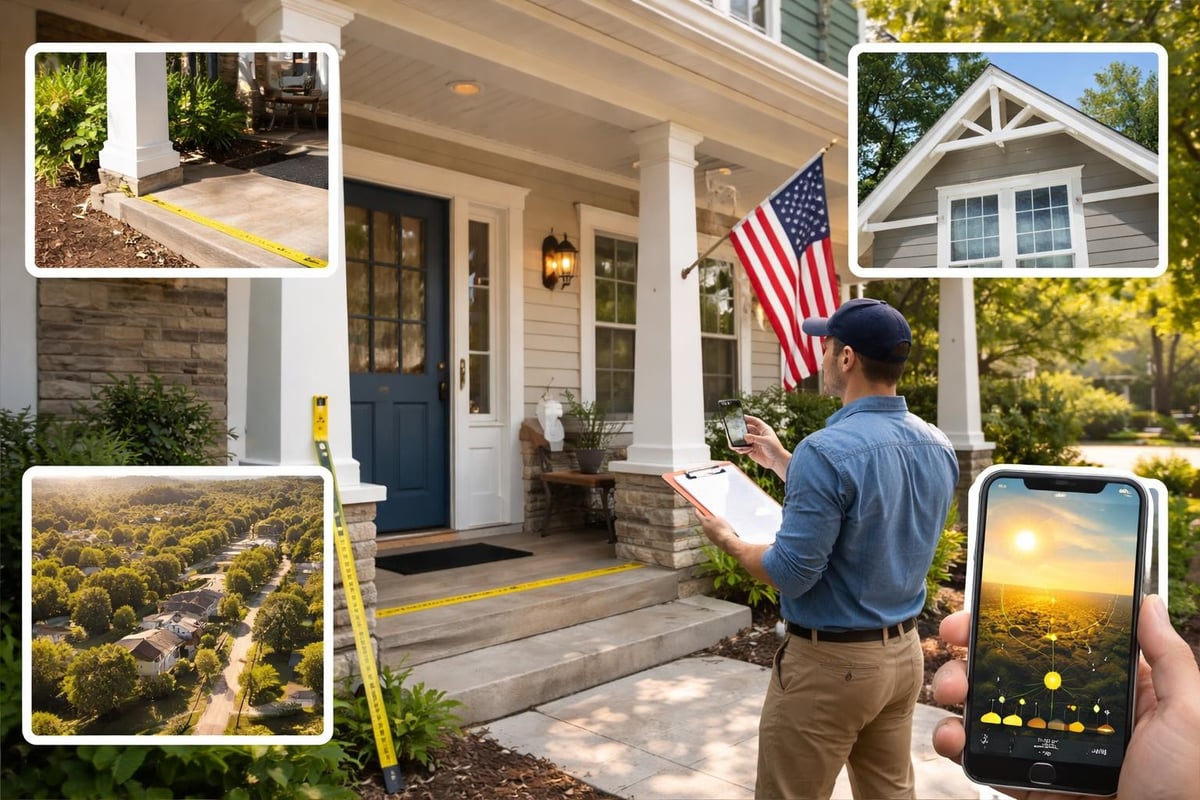
Start by taking accurate measurements of your porch depth, width, and ceiling height. Most porches range from 6 to 8 feet deep, but even a 4-foot porch can be transformed with smart design choices. Document where support columns are located, note electrical outlets, and identify any structural limitations.
The City of Lake Oswego’s Residential Infill Design Handbook emphasizes how porch scale should integrate harmoniously with your house and neighborhood, helping you understand proper proportions.
Consider these practical factors when you design front porch layouts:
- Sun exposure throughout the day
- Privacy from street view
- Weather patterns (rain, wind direction, snow)
- Traffic flow from sidewalk to door
- Existing architectural features to complement
Choosing Your Front Porch Style
Your porch style should complement your home's architecture while expressing your personal taste. In 2026, we're seeing homeowners embrace everything from minimalist modern to cozy farmhouse aesthetics.
Popular Front Porch Design Styles
Modern Farmhouse continues dominating design trends with its blend of rustic charm and contemporary clean lines. Think white shiplap ceilings, black metal railings, and natural wood accents paired with sleek furniture.
Coastal Vibes bring relaxation to any location, not just beach homes. Light blues, whites, weathered wood textures, and nautical touches create that breezy feeling. TimberTech’s front porch design guide showcases how different styles work with various home types.
Traditional Southern porches feature classic columns, ceiling fans, comfortable rocking chairs, and generous proportions perfect for socializing. These designs prioritize comfort and hospitality.
| Style | Key Features | Best For |
|---|---|---|
| Modern Farmhouse | Shiplap, metal accents, neutral colors | Ranch and contemporary homes |
| Coastal | Light colors, natural textures, relaxed furniture | Any home seeking calm atmosphere |
| Traditional | Columns, symmetry, classic proportions | Colonial and craftsman architecture |
| Contemporary | Clean lines, minimalist approach, bold accents | Modern and mid-century homes |
Flooring and Foundation Elements
The foundation of any great porch design starts literally from the ground up. Your flooring choice impacts both aesthetics and functionality.
Selecting Porch Flooring Materials
Composite decking has become increasingly popular because it resists weathering, requires minimal maintenance, and comes in numerous colors and wood-grain patterns. It's an excellent investment for busy families who want beauty without constant upkeep.
Traditional wood decking offers authentic charm and can be painted or stained to match your vision. Cedar and pressure-treated pine remain top choices, though they require regular sealing and maintenance.
Painted concrete provides budget-friendly versatility. You can stencil patterns, add texture, or choose bold colors. Many DIY enthusiasts are creating stunning faux tile or stone effects with concrete stains and stamps.
Consider adding an outdoor rug to define seating areas and inject color. Choose weather-resistant materials designed for outdoor use, and select patterns that complement your overall design theme.
Furniture Selection and Arrangement
When you design front porch seating areas, think about how you'll actually use the space. Will it be primarily decorative, or do you want functional outdoor living?
Creating Comfortable Conversation Areas
Rocking chairs remain timeless porch staples, offering gentle motion and classic appeal. Position two rockers at an angle to encourage conversation while maintaining views of both the street and front door.
Porch swings create nostalgic charm and provide seating for multiple people. Hang them securely from ceiling joists (never just the porch ceiling material) and allow at least 14 inches of clearance behind for swinging motion.
Benches and settees work beautifully on narrower porches where traditional furniture won't fit. Built-in benches maximize space while adding architectural interest.
Arrange furniture to facilitate both conversation and traffic flow. Leave a clear 36-inch pathway from steps to door. Group seating pieces to create intimate zones without blocking movement.
For more outdoor decorating inspiration, check out our house decoration ideas that can translate to porch spaces.
Lighting Design for Ambiance and Safety
Proper lighting transforms your porch from daytime-only space to evening retreat while ensuring safety after dark.
Layering Your Porch Lighting
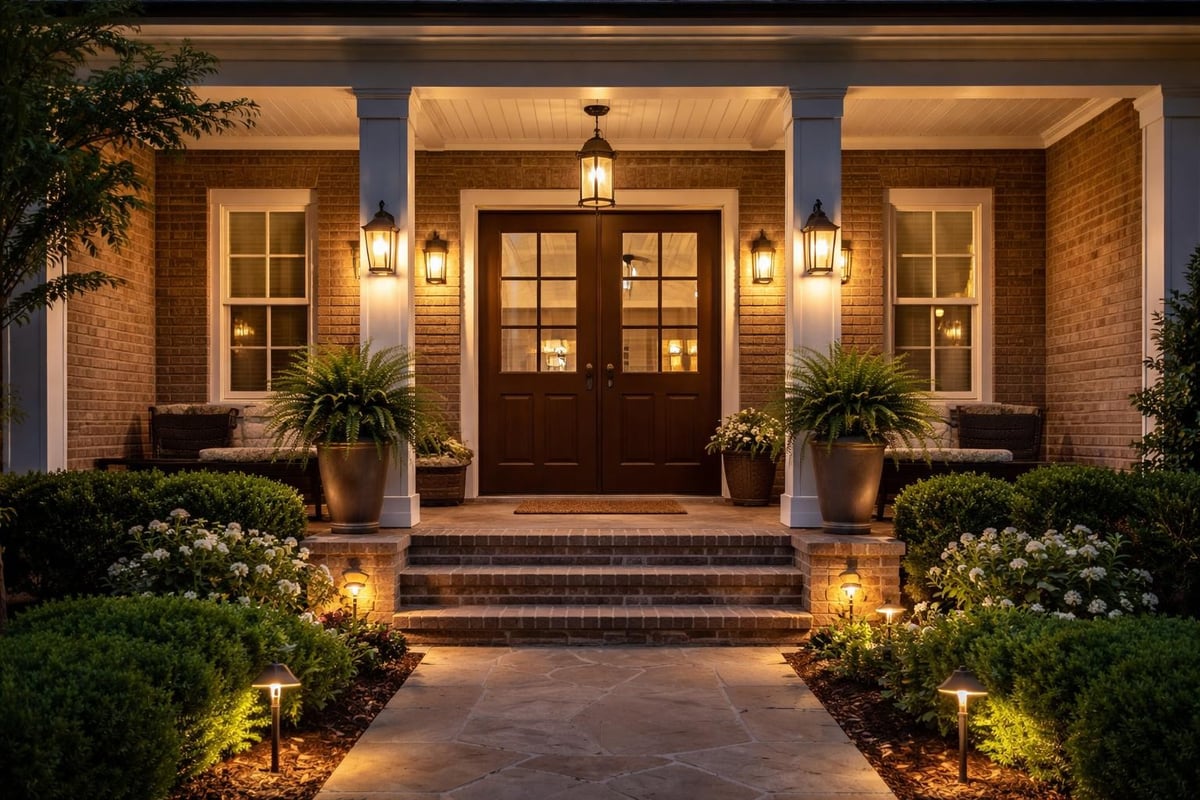
Overhead fixtures provide general illumination and significant style impact. Ceiling-mounted lanterns, flush-mount fixtures, or statement chandeliers (rated for outdoor use) set your design tone. Choose fixtures sized appropriately for your porch scale.
Wall sconces flanking the front door offer welcoming symmetry while illuminating the entry. Install them at eye level, approximately 66 to 72 inches from the porch floor.
Accent lighting adds drama and depth. Consider these options:
- String lights draped across ceiling beams
- Uplights highlighting columns or plants
- Step lights for safety on stairs
- Solar path lights along walkways
Install dimmer switches where possible to adjust ambiance for different occasions. Smart bulbs let you control brightness and color temperature from your phone.
Color Schemes and Paint Choices
Color dramatically impacts how your porch feels and how it complements your home's exterior. When you design front porch color palettes, consider both trim and ceiling treatments.
Selecting the Perfect Porch Palette
Porch ceiling blue remains a beloved tradition, especially in Southern design. This soft blue-green hue, sometimes called "haint blue," creates a calming sky effect and reportedly deters insects. Modern interpretations range from pale aqua to deeper teal.
Neutral foundations provide timeless elegance. White, cream, and gray ceilings and trim work with any decor style and make spaces feel larger and brighter.
Bold accent colors inject personality through painted doors, furniture, or decorative elements. In 2026, we're seeing rich jewel tones (emerald, sapphire, ruby) paired with neutral backgrounds.
Your front door color deserves special attention as a focal point. Popular choices include:
- Classic red for welcoming energy
- Navy blue for sophisticated contrast
- Forest green for natural harmony
- Sunny yellow for cheerful optimism
Coordinate your porch colors with existing exterior paint, roofing, and landscaping for cohesive curb appeal.
Adding Architectural Details
Architectural elements give your porch character and visual interest beyond basic structure and furniture.
Enhancing with Columns and Railings
Columns define porch style significantly. Square craftsman columns suit bungalows and contemporary homes, while round classical columns fit traditional architecture. Wrapping existing columns with new materials can completely update your porch appearance without structural changes.
Railings provide safety on elevated porches while contributing to overall design. Options include:
- Traditional wood balusters painted or stained
- Cable railing for modern, minimal look
- Glass panels for unobstructed views
- Metal designs from simple to ornate
Decorative brackets and trim add Victorian charm or craftsman detail depending on style. These relatively inexpensive additions create custom high-end appearance.
According to Carolina Park’s Riverside Design Guidelines, front porch depth and architectural integration significantly impact home value and neighborhood character.
Seasonal Decorating Strategies
One advantage of front porches is the opportunity for seasonal refresh without major renovation. Learning to design front porch displays for different times of year keeps your entrance looking current and welcoming.
Spring and Summer Styling
Planters and hanging baskets overflow with colorful annuals, creating lush, garden-like atmosphere. Group containers in odd numbers (3, 5, 7) for visual appeal, varying heights and sizes for dimension.
Lightweight textiles like outdoor pillows in fresh patterns and colors can be swapped seasonally. Washable covers make maintenance easy for families with kids or pets.
Wreaths aren't just for winter! Spring options feature fresh florals, summer versions incorporate nautical elements or bright colors. Our how to make a baseball wreath tutorial shows creative DIY approaches.
Fall and Winter Warmth
Autumn elements bring cozy textures through pumpkins, mums, corn stalks, and warm-toned textiles. Layer blankets on seating for chilly evenings and swap bright pillows for rust, burgundy, and gold tones.
Holiday decorating transforms porches into festive showcases. Jaclyn Smith’s Christmas porch design demonstrates elegant approaches using garlands, wreaths, and poinsettias that feel both classic and fresh.
Winter décor can extend beyond December with evergreen arrangements, birch logs, and twinkling lights that celebrate the season without specific holiday themes.
Incorporating Plants and Greenery
Plants soften hard surfaces, add color, and connect your porch to the surrounding landscape when you design front porch plantings thoughtfully.
Container Gardening for Porches
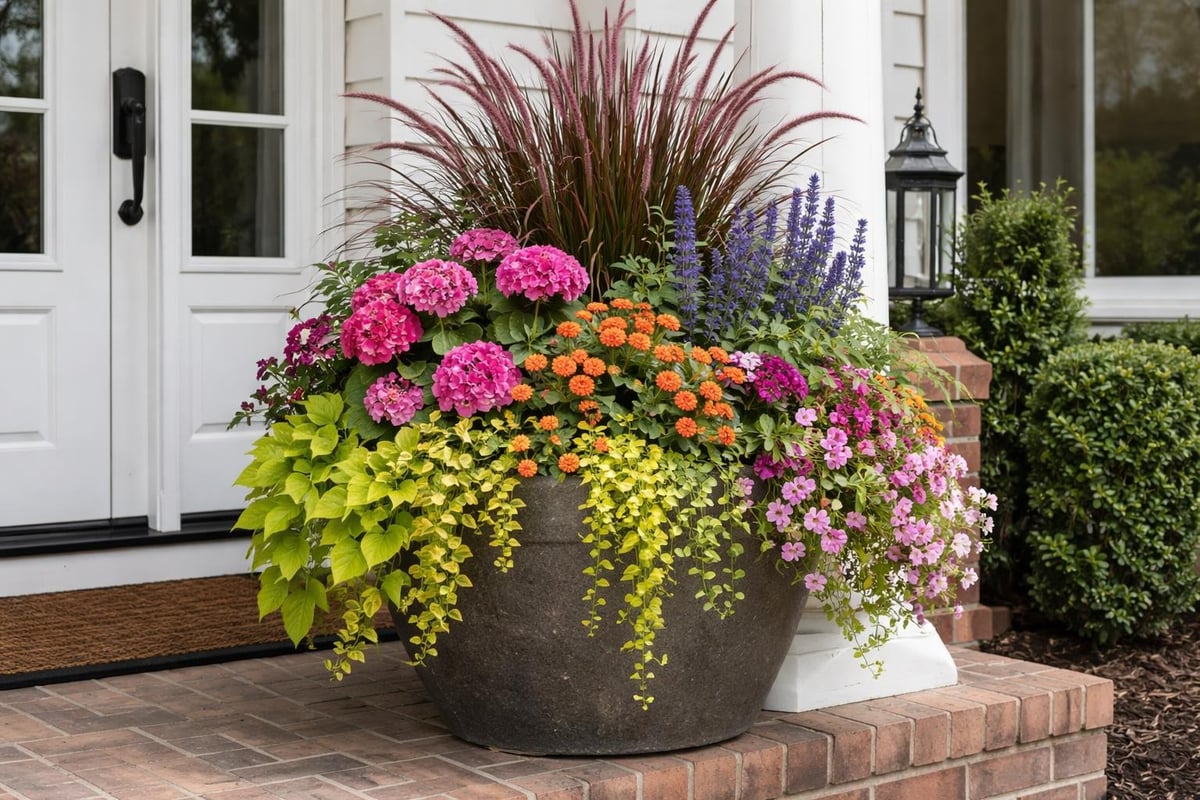
Large planters flanking the front door create symmetrical elegance. Choose containers proportional to your porch scale (bigger is usually better for impact). Fill them with:
- Evergreen shrubs for year-round structure
- Seasonal flowers for color rotation
- Ornamental grasses for texture and movement
- Trailing plants to soften container edges
Vertical gardens maximize limited space on smaller porches. Wall-mounted planters, trellises with climbing vines, or tiered plant stands add greenery without consuming floor space.
Herb gardens provide both beauty and function. Rosemary, lavender, basil, and mint thrive in containers and offer fragrance plus fresh ingredients for cooking.
Choose plants appropriate for your porch's sun exposure. Shade-loving options include ferns, hostas, and impatiens, while sun-loving choices include geraniums, petunias, and succulents.
Privacy and Screening Solutions
Creating privacy doesn't mean sacrificing style when you design front porch spaces that feel like outdoor rooms.
Balancing Openness and Enclosure
Outdoor curtains add elegance while providing adjustable privacy and sun control. Install weather-resistant curtain rods between porch columns and choose fade-resistant outdoor fabric. Pull them back during the day, close for evening privacy or afternoon shade.
Lattice panels strategically placed offer vintage charm while screening views. Paint them to match trim or create contrast, and train climbing plants for living privacy screens.
Strategic plantings using tall ornamental grasses, shrubs, or container trees create natural barriers that feel less formal than built structures.
Horizontal slat screens provide modern privacy solutions. DIY versions using cedar boards create contemporary look at reasonable cost.
Multi-Functional Design Features
Modern families need porches that work hard while looking beautiful. Incorporate storage, utility, and flexible features when you design front porch layouts.
Hidden Storage Solutions
Bench seating with storage serves dual purposes, hiding outdoor cushions, garden tools, or kids' toys while providing seating. Build custom units or find ready-made options sized for your space.
Decorative storage includes baskets, vintage crates, or weatherproof chests that add character while organizing clutter.
Outdoor Living Amenities
Ceiling fans extend comfortable porch time during warm months. Choose damp-rated or wet-rated models depending on exposure level.
Electrical outlets enable decorative lighting, phone charging, or small appliances for outdoor entertaining. Install weatherproof covers for safety.
Water features like wall-mounted fountains add soothing sounds without consuming floor space, creating spa-like atmosphere.
Our welcome home decoration ideas offer additional inspiration for creating inviting entryways.
Budget-Friendly Porch Makeovers
You don't need thousands of dollars to design front porch spaces that impress. Strategic updates deliver maximum impact for minimal investment.
High-Impact, Low-Cost Updates
Paint transforms everything from floors to ceilings to furniture. A weekend and a few gallons of paint can completely refresh tired porches. Consider painted patterns on floors for custom look without expensive materials.
Thrift store and yard sale finds provide unique furniture and accessories at fraction of retail cost. Look for solid wood pieces that can be painted or refinished.
| Update | Approximate Cost | Impact Level |
|---|---|---|
| Paint ceiling and trim | $50-150 | High |
| DIY planters and flowers | $75-200 | High |
| Outdoor rug | $50-150 | Medium |
| New door hardware | $30-100 | Medium |
| String lights | $20-75 | High |
| Painted furniture refresh | $25-75 | Medium-High |
DIY projects maximize budget while adding personal touches. Create custom planters, build simple benches, or craft seasonal décor. Check Decoratehow for step-by-step tutorials on various DIY home projects.
Repurposing interior furniture gives new life to pieces that no longer work inside. An old dresser becomes a potting bench, vintage chairs get fresh paint for porch seating, indoor artwork moves outside in weatherproof frames.
Material Durability and Weather Resistance
Choosing materials that withstand your climate ensures your porch design maintains beauty through seasons and years.
Selecting Weather-Appropriate Materials
Outdoor-rated furniture resists moisture, UV fading, and temperature extremes. Look for powder-coated metals, all-weather wicker, treated wood, or recycled plastic lumber that mimics wood appearance.
Fabric choices should specifically say "outdoor" or "solution-dyed acrylic." These materials resist fading, mildew, and moisture damage far better than indoor textiles.
Finish protection extends material life significantly. Seal wood floors annually, apply protective spray to metal furniture, and treat fabrics with water-repellent products.
Regional considerations matter when you design front porch spaces:
- Hot, sunny climates need UV-resistant materials and shade solutions
- Rainy regions require excellent drainage and moisture-resistant finishes
- Snowy areas need structural support for snow loads and materials that handle freeze-thaw cycles
- Coastal locations demand corrosion-resistant hardware and salt-tolerant finishes
Personal Touches and Character Elements
The details that make your porch uniquely yours create memorable first impressions and express your family's personality.
Adding Individual Style
House numbers make functional elements decorative. Oversized modern numbers, vintage plaques, or custom designs establish style immediately.
Door mats and floor decor welcome guests with personality. Humorous quotes, seasonal messages, or classic monograms set the tone.
Collections and displays turn hobbies into décor. Vintage watering cans filled with flowers, antique tools, or themed accessories tell your story. The Architectural Digest front porch showcase features numerous examples of personalized porch designs.
Handmade elements add irreplaceable character. Create custom signs, paint furniture with unique patterns, or craft seasonal decorations that can't be bought in stores.
Family-friendly features accommodate your household's needs. Built-in toy storage keeps kids' outdoor toys organized, pet-friendly materials withstand paws and claws, and durable surfaces handle active family life.
Technology Integration for Modern Porches
Smart technology enhances porch functionality, security, and convenience when you design front porch spaces for contemporary living.
Smart Home Features
Video doorbells provide security and convenience, letting you see and speak with visitors from anywhere. Many models include motion detection and package alerts.
Smart lighting systems adjust automatically based on sunset times, can be controlled remotely, and create custom scenes for different occasions.
Outdoor speakers extend your home audio system to the porch for music during relaxation or entertaining.
Weather monitoring through smart sensors helps protect your porch investment by alerting you to extreme conditions requiring furniture protection or plant care.
Keep technology subtle and integrated into your design rather than letting devices dominate the aesthetic. Hide wiring, choose devices that complement your style, and maintain the porch's welcoming character.
Maintenance Planning for Long-Term Beauty
Regular upkeep preserves your investment and keeps your porch looking freshly designed year after year.
Creating a Maintenance Schedule
Monthly tasks include sweeping floors, wiping down furniture, deadheading flowers, and checking for pest issues or minor repairs needed.
Seasonal maintenance varies by time of year:
- Spring: Deep cleaning, refreshing paint touch-ups, planting new flowers
- Summer: Regular watering, cushion washing, checking wood for damage
- Fall: Cleaning gutters, storing delicate items, preparing for winter
- Winter: Protecting furniture, maintaining pathways, checking for ice damage
Annual projects ensure longevity. Reseal wood surfaces, deep-clean upholstery, inspect structural elements, and refresh plantings.
Document your maintenance schedule digitally with photo reminders of how things should look at their best. This helps maintain standards and catch problems early.
Maximizing Small Porch Spaces
Limited square footage doesn't limit style when you design front porch areas strategically. Smart planning makes even tiny porches feel welcoming and functional.
Small Space Solutions
Vertical emphasis draws the eye upward, making small spaces feel larger. Tall planters, vertical gardens, and hanging elements use overhead space efficiently.
Multi-functional pieces work overtime in compact areas. A storage bench provides seating plus organization, a narrow console table displays plants while hiding keys inside.
Strategic mirrors (outdoor-rated) reflect light and create depth illusion. Position them to reflect greenery or interesting architectural features.
Minimal color palettes with light, neutral tones keep small porches feeling open and airy. Add interest through texture variation rather than color contrast.
The front porch design visualizer tool helps you experiment with various layouts before committing to purchases or construction.
Designing your front porch combines practical planning with creative expression, resulting in outdoor space that welcomes guests and delights your family daily. Whether you're working with generous square footage or a compact stoop, thoughtful choices in furniture, color, plants, and personal touches create the inviting entrance your home deserves. Ready to transform your porch with more DIY inspiration and decorating guidance? Visit Decoratehow for hundreds of tutorials, tips, and ideas that help you create beautiful, practical spaces throughout your home and garden.