
Cold weather places enormous pressure on household heating systems. When temperatures drop, families rely on their HVAC systems to maintain comfort, protect indoor air quality, and keep energy bills under control. Yet many homes enter winter without proper preparation. Small inefficiencies, neglected maintenance, or outdated equipment can lead to poor heating performance, uneven temperatures, and higher energy costs.
Learning practical HVAC tips to stay warm helps homeowners avoid these common problems. With the right approach, it becomes possible to improve heating efficiency, extend equipment lifespan, and create a more comfortable indoor environment throughout winter.
Preparing Your HVAC System Before Winter Arrives
One of the most important HVAC tips for staying warm is to prepare the heating system before winter truly begins. Many homeowners wait until temperatures drop significantly before checking their equipment. Unfortunately, this approach often leads to unexpected breakdowns when heating is needed most.
Routine preparation includes checking air filters, testing thermostat accuracy, examining ductwork, and ensuring heating elements function correctly. These small tasks significantly improve system efficiency. Clean filters allow better airflow, which helps the heating system distribute warm air more evenly throughout the house.
Proper preparation also protects equipment longevity. Heating systems that operate under strain consume more energy and wear out faster. By addressing minor issues early, homeowners reduce the risk of costly repairs later in winter.
Another advantage of early maintenance is improved indoor comfort. Homes with properly tuned HVAC systems warm up faster and maintain stable temperatures, even during extremely cold conditions.
Understanding Heating Efficiency and Energy Performance
Energy efficiency plays a critical role in winter heating performance. Efficient systems produce consistent warmth while using less energy. As energy costs continue to rise, improving HVAC efficiency becomes increasingly important for households. Heating efficiency is often measured through performance ratings such as AFUE for furnaces or SEER and HSPF for heat pumps. Higher-efficiency systems convert more energy into usable heat rather than wasting it. However, even high-efficiency equipment requires proper maintenance to deliver optimal performance.
Airflow is another essential factor influencing heating efficiency. Blocked vents, dirty filters, or poorly insulated ductwork can reduce airflow, forcing the system to work harder. When airflow improves, warm air travels more easily throughout the home, creating consistent comfort. Insulation also supports heating efficiency. Walls, ceilings, and floors that retain heat reduce the workload placed on HVAC systems. Homes with proper insulation stay warm longer, allowing heating equipment to operate less frequently.
The Role of Thermostats in Maintaining Comfortable Temperatures
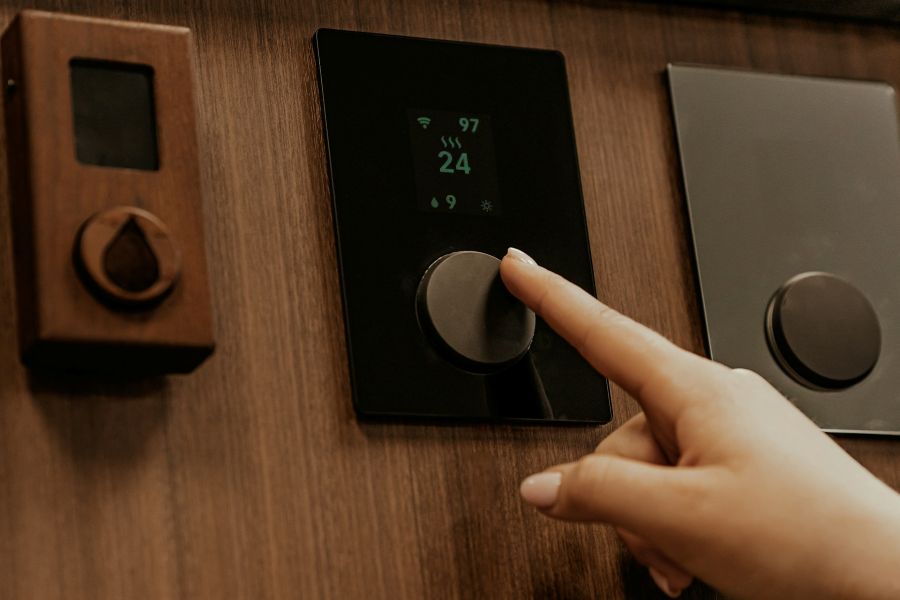
Thermostats control how heating systems respond to changing indoor temperatures. Modern thermostats offer far more precision than traditional models, allowing households to maintain comfort while conserving energy. A well-calibrated thermostat ensures the heating system runs only when necessary. When temperatures remain stable, systems avoid excessive cycling that wastes energy.
Programmable thermostats allow users to create heating schedules based on daily routines. For example, temperatures can be slightly reduced while residents sleep or when the house is empty. The system then restores comfortable warmth before occupants return. Smart thermostats provide even greater control. These devices analyse usage patterns, learn preferred temperature settings, and automatically adjust heating schedules. Many also allow remote control via mobile applications, helping homeowners manage heating even when away from home.
Improving Airflow and Heat Distribution Throughout the Home
Even powerful heating systems cannot perform well if airflow is restricted. Air circulation determines how effectively warm air reaches every room. When airflow problems occur, some areas remain cold while others become overheated. Improving air circulation is one of the most overlooked HVAC tips for staying warm in winter. Many homeowners focus solely on heating equipment while ignoring the pathways that distribute warm air throughout the home.
Balanced airflow also prevents strain on heating equipment. When warm air moves efficiently through the home, the system reaches desired temperatures faster and operates for shorter periods. Humidity levels further influence perceived warmth. Dry winter air often makes homes feel colder than they actually are. Maintaining balanced indoor humidity allows occupants to feel comfortable at slightly lower temperatures, reducing heating demand.
Maintaining HVAC Systems for Reliable Winter Performance
Well-maintained systems operate more efficiently, last longer, and experience fewer unexpected breakdowns. Professional HVAC inspections typically involve checking burners, heat exchangers, electrical connections, and safety controls. Technicians also clean internal components that accumulate dust or debris over time. Clean systems operate more smoothly and produce consistent heat.
Maintenance also improves safety. Heating systems that burn fuel, such as gas furnaces or boilers, require proper ventilation to prevent carbon monoxide risks. Routine inspections help ensure that ventilation systems and exhaust pathways function correctly. Seasonal maintenance also protects long-term system performance. Components such as motors, belts, and fans gradually wear down with use. Identifying early signs of wear allows technicians to replace parts before they fail during cold weather.
Home Insulation and Sealing for Better Heat Retention
Even the most advanced HVAC systems struggle when homes lose heat rapidly.. Drafts around windows or door frames allow cold air to enter while warm air escapes. Weatherstripping, caulking, and window insulation films can significantly reduce these losses.
Attic insulation plays an especially important role in winter heating efficiency. Because warm air rises, poorly insulated attics allow significant heat loss. Increasing attic insulation helps retain warmth and reduces the workload on HVAC systems. By strengthening the building envelope, homeowners allow heating systems to operate more effectively. Improved insulation ensures that once warmth enters the home, it remains there longer.
Adopting Smart Heating Habits for Daily Comfort
Heating systems work best when supported by practical household habits. Small behavioural adjustments often improve comfort while reducing energy consumption. Among the simplest HVAC tips to stay warm is maintaining consistent temperature settings rather than making frequent drastic changes. Rapid temperature swings force heating systems to work harder and consume more energy.
Closing curtains or blinds at night also helps retain warmth. Windows are one of the primary sources of heat loss during winter. Covering them creates an additional barrier that reduces heat escape. Layering clothing indoors and using warm bedding also contribute to comfort without raising thermostat settings. These small adjustments reduce reliance on heating equipment while maintaining a comfortable living environment.
Conclusion
Staying comfortable during winter requires more than simply turning up the thermostat. Effective heating depends on preparation, maintenance, airflow management, and efficient energy use. Homes that combine these elements experience better warmth, lower energy costs, and fewer heating problems during the coldest months.
Preparing HVAC systems before winter, improving insulation, maintaining airflow, and using smart thermostat practices all contribute to better heating performance.
When heating systems operate efficiently and homes retain warmth effectively, indoor comfort becomes easier to maintain.