
Reverse osmosis stands apart from basic filters because it uses pressure and a specialized membrane to reduce dissolved impurities. A properly selected system can improve drinking-water taste, odor, and overall quality. Understanding its filtration stages, installation needs, maintenance demands, and limitations helps homeowners decide whether it suits their water supply.
Clean-looking water can still contain dissolved substances that affect taste, odor, and drinking quality. Standard sediment or carbon filters address certain concerns, but they may not reduce many dissolved impurities. Reverse osmosis uses water pressure to move water through several filtration stages, including a semipermeable membrane. Choosing Reverse Osmosis for cleaner drinking water can provide focused treatment at a dedicated faucet when the system matches the property’s water conditions. Water testing, correct sizing, professional installation, and timely filter replacement all influence results. Understanding these requirements helps homeowners compare RO with treatment options and avoid selecting equipment based on appearance alone.
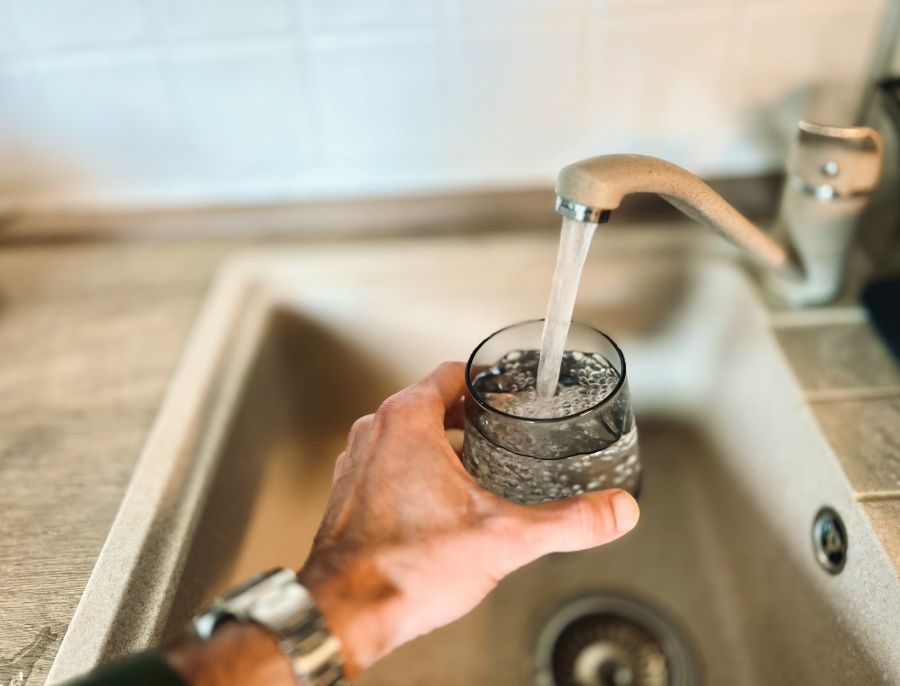
How Reverse Osmosis Treats Water Differently
Reverse osmosis, often shortened to RO, uses household water pressure to push water through a membrane with extremely small openings. Water molecules pass through while many dissolved substances are separated and sent toward the drain.
Most residential RO systems use several filtration stages rather than relying on the membrane alone. The exact configuration varies, but it may include:
- A sediment prefilter
- An activated carbon prefilter
- The reverse osmosis membrane
- A storage tank
- A final carbon filter
- A dedicated drinking-water faucet
Each stage serves a different purpose and helps protect the membrane or improve the finished water.
What Can an RO System Reduce?
Reverse osmosis systems may reduce a wide range of impurities. Performance depends on the membrane, supporting filters, water pressure, system condition, and product certification.
Depending on the system, RO treatment may help reduce:
- Sediment and fine particles
- Chlorine that affects taste and odor
- Nitrates and certain dissolved contaminants
- Some heavy metals
- Unpleasant tastes or smells
- High levels of dissolved solids
No system should be assumed to remove every possible contaminant. Water testing identifies the substances present, while product certification confirms what a particular model is designed to reduce.
Why Water Testing Should Come First
Treatment Must Match the Water Supply
Clear water is not proof that the supply is free from unwanted substances. Many dissolved contaminants cannot be detected through color, taste, or smell.
Professional water testing helps identify whether the property has concerns involving nitrates, metals, minerals, pH, bacteria, or other substances. The results guide system selection and show whether reverse osmosis should work alone or alongside another treatment method.
Private well owners should be especially attentive because their water is not routinely monitored by a public utility.
Why Under-Sink Systems Are Popular
An under-sink RO system treats water intended for drinking and cooking rather than filtering every gallon used throughout the house. It usually supplies a dedicated faucet and may also connect to a refrigerator when the design allows.
This point-of-use approach focuses on advanced treatment where it delivers the greatest practical benefit. It also requires less equipment than a whole-house setup.
Installation typically involves water-supply connections, a storage tank, a dedicated faucet, and a drain connection. Professional installation helps prevent leaks, drainage trouble, low flow, and poor system performance.
How Reverse Osmosis Improves Taste and Odor
Chlorine, dissolved solids, metals, and other substances can affect how tap water tastes or smells. By reducing the impurities responsible, an RO system may produce water that tastes cleaner and works better for drinking, ice, coffee, tea, and cooking.
However, taste alone is not a dependable measure of safety. Water that tastes acceptable may still contain unwanted contaminants, while harmless minerals can sometimes affect flavor.
Selecting reverse osmosis for cleaner drinking water should begin with test results and treatment goals rather than taste complaints alone.
Water Pressure Matters More Than Many Homeowners Expect
Reverse osmosis depends on sufficient water pressure. If pressure is too low, the membrane may produce water slowly, fill the storage tank inefficiently, or reject contaminants less effectively.
Low output does not always mean the membrane has failed. The cause may involve:
- Inadequate supply pressure
- Clogged prefilters
- A worn membrane
- A failing storage tank
- A restricted drain line
- A damaged valve or faucet
A technician can test these components and identify the cause before recommending replacement.
RO Systems Require Routine Maintenance
Reverse osmosis is not a set-it-and-forget-it treatment method. Prefilters protect the membrane from sediment and chlorine, while the postfilter helps maintain finished-water taste.
Filters and membranes must be changed according to system instructions, water quality, and household use. Waiting too long can reduce flow, affect taste, and place extra strain on the membrane.
Maintenance should also include checking connections, inspecting the storage tank, confirming drainage, and watching for leaks. Service intervals vary, so follow the manufacturer’s schedule rather than relying on a universal timeline.
What Are the Limitations of Reverse Osmosis?
RO treatment offers advanced filtration, but it is not the perfect answer for every water problem. It sends a portion of incoming water to the drain while separating contaminants. The amount varies by system design and operating conditions.
The process also reduces minerals along with unwanted substances. Some homeowners prefer the taste of mineral-rich water, while others favor the lighter taste of RO water.
Certain water conditions may require pretreatment to protect the membrane. Bacterial contamination may also call for disinfection or another solution based on professional testing.
How to Choose the Right RO System
Do not compare systems by the number of filtration stages alone. More stages do not automatically mean better treatment.
Consider:
- Water-test findings
- Certified contaminant-reduction claims
- Household drinking-water demand
- Available installation space
- Water pressure and plumbing condition
- Filter and membrane replacement costs
- Storage-tank capacity
- Professional repair and replacement support
A properly sized system should provide enough treated water without creating poor flow or unnecessary complexity.
Repair or Replace an Existing RO System?
Reduced flow, leaks, unusual tastes, or failure to fill the tank do not always require complete replacement. Clogged filters, damaged valves, drain restrictions, faucet problems, and storage-tank faults may be repairable.
Replacement may make more sense when the system is outdated, repeatedly fails, lacks available parts, or no longer meets household demand. A professional inspection can compare repair cost, system condition, and upgrade benefits before work begins.
FAQs
1. Does Reverse Osmosis Remove Every Contaminant?
No. Reduction performance depends on the system design and certification. Water testing and verified product claims should guide selection.
2. Can Reverse Osmosis Treat Well and City Water?
Yes, RO may be used with either supply. The correct setup depends on the contaminants, minerals, pressure, and any pretreatment needs.
3. Why Is My RO Faucet Producing Water Slowly?
Possible causes include clogged filters, low supply pressure, a worn membrane, a storage-tank problem, or a restricted line.
4. Does an RO System Waste Water?
The separation process sends some water to the drain. Efficiency varies by model, pressure, membrane condition, and maintenance.
5. Is Professional Installation Really Necessary?
Professional installation helps ensure correct connections, drainage, pressure, tank setup, faucet operation, and leak testing.
What to Remember
Reverse osmosis stands out because it can reduce many dissolved impurities that basic sediment or carbon filters may leave behind. Its multistage process can improve drinking-water taste, odor, and overall quality, but results depend on the right system, adequate pressure, professional installation, and consistent maintenance.
Begin with water testing so treatment matches the actual concerns in the supply. Compare certified reduction claims, storage capacity, filter costs, available space, and service requirements. Remember that RO is not designed to solve every water-quality issue by itself. Pretreatment or another method may be necessary for certain minerals, bacteria, pressure conditions, or well-water concerns. Professionally selected reverse osmosis for cleaner drinking water can provide dependable point-of-use filtration for drinking and cooking. When homeowners understand its strengths and limitations, they can choose a system based on evidence rather than marketing claims or appearances.