
How To Design A Conference Room?
A conference room’s design requires meticulous planning to create an inviting and comfortable space. It is the first thing to establish the room’s function and the number of people it can hold. Select a suitable layout, such as a boardroom or theater, depending on the nature of meetings and discussions.
Be conscious of the lighting, sound, and technological requirements, like technology for audiovisual capabilities and conference facilities. Select furniture and chairs that are ergonomic and comfortable, such as conference tables and chairs that facilitate collaboration and productivity. Use the right design, such as artwork or branding, to give your presentation a stylish look.
Having plenty of storage and organizing options for your presentation material and equipment is helpful. A well-designed conference room creates the perfect environment for productive meetings and leaves an unforgettable impression on guests.
What Is An Arrangement For A Conference Room?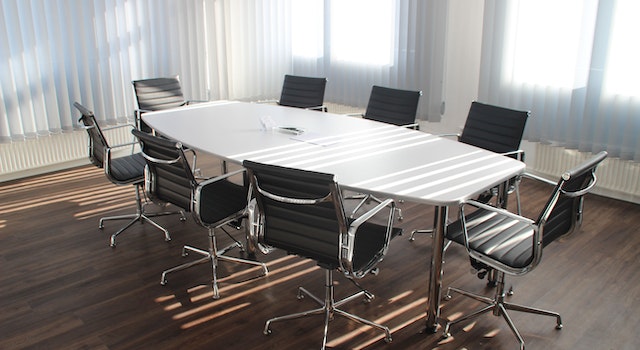
It’s the classic room layout featured in various sitcoms and films. Top-level executives gather at a standard group table to discuss important matters. It’s an oval, rectangular (or multiple tables) at the center, with chairs encircling it.
Benefits of a Conference-Style Room Layout
The conference-style layout of the room has many advantages that enhance the effectiveness of professional gatherings.
Enhanced Interaction
If participants are facing toward the front, it’s much more accessible for them to interact with the presenter and others. This helps create a welcoming environment and encourages question-and-answer discussions.
Clear Visibility
Straight rows guarantee all attendees a clear view of the speaker and presentation materials. This is vital to maintaining attendees’ attention and participation.
Efficient Use of Space
The conference layout maximizes space, which allows for more guests compared to other configurations, such as U-shapes and boardrooms.
Ideal for Presentations
This layout is perfect for presentations, seminars, and lectures where communication with the public is the principal purpose.
Facilitates Note-Taking
The layout lets people quickly take notes, as they have ample space to write on tables right in front of them.
Promotes Focus
The formal structure helps ensure focus and eliminate distractions during the meeting.
Tips for Optimizing Conference-Style Room Layout
To maximize the utilization of the conference room arrangement, consider these ideas:
Audiovisual Setup
Ensure the presenter’s space is equipped with the right audiovisual equipment, such as an LCD, projector, and microphone, to enable smooth presentations.
Comfortable Seating
Pick ergonomic and comfortable chairs for meetings that will last a long time. The ease of seating helps participants remain engaged and focused.
Adequate Space
Ensure sufficient space between tables to allow the participants to move quickly and be accessible to the guests.
Interactive Elements
Incorporate interactive elements like whiteboards, flip charts, or audience response systems that encourage discussion and active participation.
Optimal Lighting
Ensure your room is sufficiently lit to keep people focused and decrease eye strain.
Networking Opportunities
Schedule breaks and networking events that encourage collaboration and connections between participants.
What’s The Best Theme For The Next Conference?
Simple themes that are communicated and are in line with your brand’s image and the event’s goals can inform potential participants and strengthen your message. The content is a means to connect dreams, direct the discussion, and create the mood for meetings, the presentation material, activations, and many other events.
Relevance to the Conference Purpose
A well-planned conference theme must be relevant to the event’s primary objectives and purpose. It should reflect the primary topics, like the trends or issues discussed during the conference. The theme should align with the central theme of the meeting to build a sense of cohesion and unity, as well as ensure that attendees understand how important the conference is and its significance to their particular industry or area of interest.
Inspiring and Engaging
A memorable conference theme should be stimulating and engaging to capture the attention and interest of participants. It must inspire enthusiasm, anticipation, and curiosity, making people desire to attend the conference. Themes that stimulate emotions and excitement instantly create an energetic and positive environment.
Clear and Memorable Messaging
The clarity The clarity of the theme’s message is crucial. A good conference theme should be easy to understand and understood by potential attendees and guests. Slogans or taglines that resonate with the music can increase the impact of the conference and enable attendees to recall the event for a long time after the event has concluded.
Inclusivity and Universality
A well-designed conference theme must be inclusive, universal, and attractive to the general public. Although the content may focus on specific industries, sectors, or topics, it must be arousing for different participants. A subject that is too narrow or specific could leave an unfavorable impression on prospective attendees and diminish the event’s impact.
Flexibility and Adaptability
A successful conference theme should be flexible and adaptable to various aspects associated with the event. It must be easily incorporated into the conference program and marketing materials, as well as branding and the overall layout of the event. The theme should act as a uniting component that connects everything.
Storytelling Potential
Themes told through storytelling can increase the value and impact of conferences. The multimedia incorporated into keynotes, panels, discussions, or networking sessions can create stories that keep participants engaged throughout the conference.
Visual Appeal and Branding Opportunities
The visual appeal of a theme chosen for an event is a significant aspect of its success. Using striking images, colors, design, and branding elements that complement the theme can boost the overall look of the event and brand opportunities. The visual aspects that cohere make for a memorable image of the event.
Collaborative and Interactive
An appropriately designed conference topic must encourage collaboration and interaction among participants. Articles promoting interactions, networking, and group activities create a community atmosphere and significant connections among participants.
Future-Focused and Forward-Thinking
The Themes that focus on the future and innovative ideas could position the conference as a thought leader and a key industry influencer. Recent trends and innovations influencing business decisions could form an ideal basis for the theme of this conference.
What Is A Meeting Room Exactly?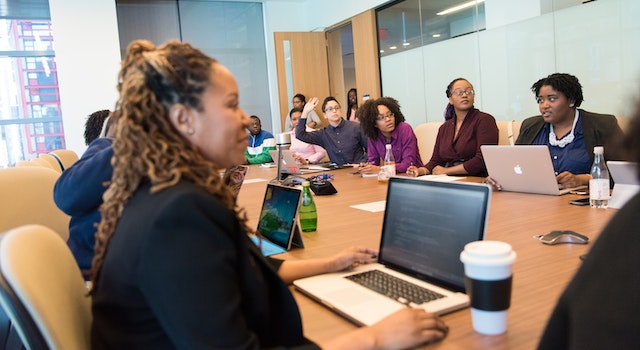
The meeting room is a space designated for teams to discuss problems, work together on projects, and make decisions. If you’re a small, medium, or large business, more space is required for meetings, and more space is also needed for productive meetings. Meetings are a huge undertaking, and lots of resources are needed.
Meeting rooms are essential to the daily activities of businesses. They can be used to host various gatherings, such as groups, discussions or presentations for groups, representations of clients, and discussions related to projects. The importance of meeting rooms lies in the areas of:
Collaboration and Communication
Meeting rooms provide an ideal location where team members can discuss ideas and share their ideas and thoughts in person, which can help build understanding and a more robust collaboration.
Decision-Making
Meetings held in designated areas assist in making more efficient decisions and enable participants to focus on discussions and come to their conclusions more effectively.
Privacy and Confidentiality
Specific conversations require privacy and confidentiality, and meeting rooms are secure spaces for delicate conversations.
Professionalism
Meeting rooms improve professionalism and leave a positive impression on clients or partners.
Efficient Use of Time
Well-organized meeting rooms can help participants stay on task, which results in a better use of time during meetings.
Design Considerations for Meeting Rooms
Designing meeting spaces demands careful planning to create spaces that promote efficiency, comfort, and participation. Consider the following factors of design:
Size and Layout
Select a design and size that will comfortably accommodate the expected number of people. The seating arrangements should be set up to make sure that communication is clear and has easy visual lines.
Furniture and Seating
Be sure to invest in the most comfortable and ergonomic furniture, like tables and chairs, to ensure that meetings last for a long time without causing discomfort.
Technology Integration
Set up meeting rooms that include vital audiovisual equipment like projectors, screens, video conference systems, and audio systems that can facilitate collaboration and meetings using virtual technology.
Lighting
Ensure you have plenty of adjustable lighting to provide a peaceful and comfortable meeting space.
Acoustics
Take note of the acoustics in your gathering to avoid distractions due to the noise. Also, ensure that your panels are efficient and precise.
Whiteboards and Collaboration Tools
Utilize interactive whiteboards, digital displays, or other tools to think of ideas and discuss them in meetings.
Branding and Aesthetics
Incorporate branding and attractive designs to create a professional and harmonious environment.
Flexibility
Design flexible meeting spaces with designs that move furniture to adapt to different layouts and plans.
Natural Elements
Use natural elements like vegetation or views of the natural world to create a tranquil and inspiring environment.
Accessibility
Make sure that the meeting rooms are accessible to all, including those who have mobility issues.
Tips for Creating Productive Meeting Rooms
To design effective meeting spaces that encourage collaboration and creativity, Look over these guidelines:
Clear Agendas
Make meetings’ agendas clear so that discussions remain focused and on track.
Time Management
Effectively manage time for meetings to avoid unnecessary delays and ensure that all topics are addressed promptly.
Encourage Participation
Create an inclusive space where everyone is at ease discussing ideas.
Take Notes
Choose a person to take notes during the meeting. They will keep a record of the forum and note the actions that must be followed up on.
Follow-Up and Accountability
Check that the items discussed at meetings are assigned to monitor the results and accountability.
Virtual Collaboration
Create meeting rooms using technology to collaborate among team members from different locations.
Post-Meeting Feedback
Get feedback from the meeting to continuously improve the experience.
What Are Some Of The Most Creative Topics?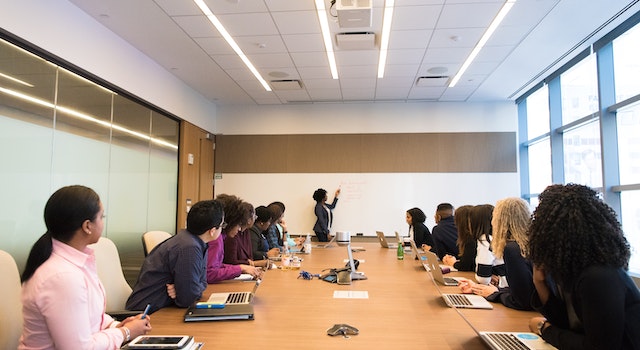
Creative themes are the core of a campaign, ensuring that your message remains consistent throughout. The “big idea” delivers an appealing message that will grab your audience’s attention, typically using headlines, tags, and pictures.
Innovative themes can give events a sense of spirit and character. They create the mood of the ambiance, atmosphere, and overall ambiance that can improve the overall look of the event and enhance guests experiences. Here are a few convincing motives to select the suitable theme for your next occasion:
Uniqueness
Innovative themes offer a distinctive approach to events. They elevate the event in the spotlight over other occasions.
Engaging and Memorable
Themes offer the opportunity to entice guests and create an unforgettable impression.
Storytelling
Themes can be used to tell a tale and allow you to make an overall narrative that can be read throughout the whole occasion.
Versatility
These original themes can be adapted to various types of events, which range from formal galas to informal gatherings.
Branding and Personalization
Themes allow personalization and branding to enhance your event’s image and mission.
Entertainment and Activities
Themes can be the basis for various entertainment choices and activities that complement the concept.
Creative Theme Ideas
Let’s explore several creative themes that could be the basis for your next gathering
Enchanted Garden
Planting lush greenery, sparkling lights, and blooms can transform your space into a dreamlike garden. Your guests will feel as if you’ve entered the world of a fairytale.
Vintage Hollywood Glamour
Recreate the glamour and glitz of Hollywood’s past using traditional red carpets, antique furniture, and motifs inspired by past films.
Masquerade Ball
Create a stunning masquerade ball featuring awe-inspiring costumes, lavish décor, and striking lighting.
Around the World
Take guests around the world with an event that is themed around travel. It will include decor as well as food and entertainment from different countries.
Great Gatsby, Roaring Twenties
Rewind guests to the Roaring Twenties by incorporating decor inspired by art deco. Flapper gowns, art deco decor, and jazz
Under the Sea
Have fun in the water with the underwater theme featuring blue tones, ocean-inspired décor, and sea entertainment.
Carnival Extravaganza
Create a carnival-like setting by using colorful booths, entertainment, and games.
Magical Wizarding World
Invite guests to a magical world using decorations influenced by Harry Potter, wand-making stations, and enchanting entertainment.
Time Travel Adventure
Enjoy an adventure through time in themed areas that showcase different historical times.
Space Odyssey
Journey through the universe with celestial decorations and futuristic and tech-savvy elements. Fantastic entertainment.
Tips for Implementing Creative Themes
To have a smooth and seamless event that is based on your chosen theme, consider these suggestions:
Consistent Decor
Check that all aspects of your celebration, including decor, invitations, and entertainment, reflect your event’s theme.
Cohesive Branding
Create a consistent visual identity through branding signage and materials that reflect the brand’s style.
Engaging Activities
Engage guests through interactive and thrilling activities that are tied to the theme. Guests will be provided with an immersive experience.
Attention to Detail
Pay attention to the tiny aspects that help create a more relaxing atmosphere, including tables that feature themed décor and personalized favors.
Professional Planning
Consider hiring an experienced event planner to assist you in bringing your dream event to life with the utmost precision and experience.
FAQ’s
What are the essential factors to consider when designing a conference room?
Answer: When designing a conference room, several factors must be considered. These include the room’s size and layout, audiovisual and technology requirements, seating capacity, acoustics, lighting, aesthetics, and accessibility. It is crucial to tailor the design to meet the specific needs of the organization and the types of meetings that will be held in the space.
How can I ensure the conference room promotes effective communication and collaboration?
Answer: To foster effective communication and collaboration, focus on creating a layout that encourages face-to-face interaction among participants. Opt for a round or U-shaped table arrangement to facilitate eye contact and engagement. Additionally, incorporate appropriate audio and video conferencing equipment to accommodate virtual participants and ensure everyone can participate seamlessly.
What are the best practices for conference room acoustics?
Answer: Proper acoustics are vital in conference rooms to reduce noise disruptions and enhance audio clarity during discussions and presentations. To achieve good acoustics, use sound-absorbing materials such as carpets, acoustic panels, and curtains to minimize sound reflections. Additionally, consider installing sound masking systems to provide a more private and comfortable environment for discussions.
How do I determine the ideal conference room size?
Answer: The conference room size should be determined based on the average number of attendees and the intended use of the space. Calculate the square footage needed by considering the number of seats required, space for technology and equipment, and sufficient circulation room. It’s also essential to account for any future growth or changes in meeting requirements.
What are the recommended lighting options for a conference room?
Answer: Balanced lighting is essential in a conference room to create a comfortable and productive atmosphere. Utilize a combination of natural light from windows and artificial lighting sources. Adjustable overhead lighting, dimmers, and task lighting can help control the brightness level according to different activities and presentations.
How can I integrate technology effectively into the conference room design?
Answer: To integrate technology effectively, plan for power outlets and data ports strategically throughout the room, ensuring easy access for all participants. Install high-quality audio and video conferencing equipment, large displays or projectors, and user-friendly control systems. Additionally, consider wireless connectivity options to allow seamless screen sharing and device integration. Regularly update the technology to stay current with the latest advancements.