Plant Decoration Ideas
Ideas for decorating with plants are a well-known and sustainable way to add a splash of greenery and freshness to your office or home. Plants not only have an aesthetic appeal but also provide health benefits like improving air quality and reducing stress levels.
One of the most popular ideas for plant decorations is hanging plants. Plants can be hung on macramé or basket hangers and suspended from the ceiling or wall to create a cascading effect. They are a great way to add interest to otherwise unoccupied spaces and create a relaxing and natural environment. Plants that hang, such as pothos, spider plants, and philodendrons, are simple to maintain and thrive in various lighting conditions.
Another common plant decoration concept is the use of terrariums. Terrariums are glass pots that can be filled with various plants and ornamental elements such as moose or stones. They are a great way to create mini gardens and add a whimsical and magical look to your work or living space. Terrariums are low-maintenance and can be adapted to suit any theme or style.
It Is Important to Have Indoor Plants in the Home Decoration
Indoor plants are becoming a more sought-after element in decorating homes. They are not just a way to bring a touch of greenery and nature to the space but also provide many health and well-being advantages.
- Health Benefits: One of the main advantages that indoor plants have is the capacity to improve the quality of the air.
They can absorb harmful toxins, such as formaldehyde and benzene, often in household products like cleaning products and furniture.
Additionally, plants may raise the humidity levels of rooms, which may assist in preventing respiratory problems and dry skin. Research has shown that indoor plants can lower stress levels and boost the quality of life by encouraging relaxation and a feeling of calm. - Visual Appeal: Indoor plants can bring an element of freshness and visual appeal to any space. They can create a tranquil and natural ambiance and be utilized as a centerpiece or decorative element in any existing décor. Indoor plants are available in a wide range of shapes, sizes, and shades, which makes them an ideal element for any theme or style of interior design. Plants can soften the harsh lines or add a splash of color to a monotone space.
- Functional Benefits: Indoor plants can be used for other purposes within the living area. They can help create privacy by acting as natural room dividers. They can also block out sound and lower noise levels in rooms. The indoor plant can also be utilized to create a microclimate, creating a cooling effect in the hot summer months and aiding in maintaining warmth throughout the colder winter months.
- Low-Maintenance Options: Another benefit indoor planters have is that a wide range of choices are low-maintenance and easy to maintain. Common low-maintenance indoor plants include succulents, snake plants, and peace lilies.
They require only minimal irrigation and thrive in various lighting environments. Low-maintenance indoor plants are an ideal choice for those who are new to gardening or have hectic schedules. - Cost-Effective Decor: Indoor plants can be an economical alternative for decorating your home. They are available at various prices and can be propagated to make new plants. Furthermore, plants could be used as decor elements in various ways, like in pots, terrariums, and hanging baskets. Indoor plants can bring elegance and freshness to a space without costing a fortune.
Indoor plants are an essential part of interior decor. They provide a range of advantages for health and well-being and boost the general ambiance of the living area. They also serve practical purposes and can be a low-cost decorating alternative. If you are considering incorporating interior plants into your décor, consider aspects like humidity, lighting, and the requirements for plant care to ensure their longevity and health.
The Benefits of Incorporating Plants into Your Living Spaces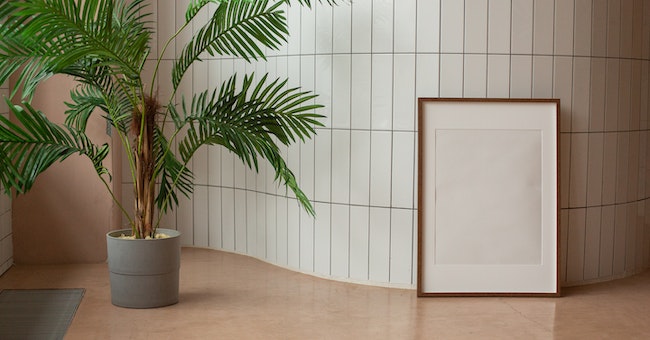
Incorporating plants into your living spaces could benefit your physical and mental well-being. By improving the quality of the air as well as reducing the stress level, plants can improve the room’s overall ambiance and bring peace.
- Improved Air Quality: The most widely known benefit of planting plants in rooms is their capacity to improve air quality. The plants can absorb carbon dioxide and release oxygen, which aids in purifying the air in a space.
Additionally, they can also absorb harmful toxins like formaldehyde and benzene. These are typically used in household products such as cleaning materials and furniture. In addition, by improving air quality, plants can improve healthy breathing and lower the chance of developing health issues such as allergies and asthma. - Reduced Stress and Anxiety: Another major advantage of including plants in your living space is their ability to lower anxiety and stress levels. Research has proven that plants can promote peace and improve mental health through a feeling of peace and tranquility. Plants can also lower the level of noise in a room. This could help to relax and increase the quality of sleep.
- Natural Aesthetic: Plants can enhance the overall appearance of a space and create an inviting and natural ambiance. They can provide some color or act as an accent in the room. They can also soften lines and give an area a hint of a natural appearance. When you incorporate plants into the living areas of your home, you will create a welcoming and natural environment that encourages relaxation and feelings of peace and well-being.
- Increased Productivity: Apart from promoting relaxation and reducing stress levels, plants also boost productivity within the workplace. Studies have proven that plants can boost the concentration of employees and refresh their memories, which could improve productivity and reduce fatigue. Incorporating plants into your workspace will create an energized and productive atmosphere.
- Cost-Effective Decor: Another benefit of incorporating plant life into your living spaces is that it’s an economical decor option. They are available at various prices and can be propagated to make new plants.
Furthermore, plants can be used as decorative elements, including in containers, terrariums, or hanging baskets. By incorporating plants into your decor, you can bring a sense of elegance and freshness to your space without spending a fortune.
Integrating plants into your living spaces can bring many advantages to your physical and mental well-being. From improving air quality to encouraging relaxation and reducing stress levels, they can improve the overall ambiance of a space and create peace. By incorporating plants into the living areas of your home, you’ll be able to create a relaxing and natural environment that encourages relaxation and peace with the surroundings.
Plants for Specific Rooms in Your Home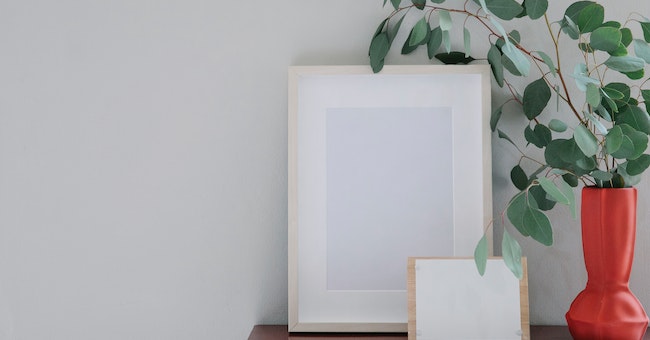
Incorporating plants in specific rooms of your house can increase the aesthetics of your home and create a warm environment. Different types of plants thrive in different conditions, so selecting the appropriate plants for the space is essential.
- Living Room: The living room is typically the focal point of the house and is ideal for large plants like fiddle leaf figs or rubber plants. They can bring class and elegance to any room and make a striking piece. Smaller plants, like philodendrons or snake plants, can also be used as accessories on coffee tables and shelves.
- Bedroom: A bedroom is where you can relax, take a break, and rest, which is why it’s the perfect place to plant plants like jasmine or lavender. These plants can aid in relaxation and lower stress levels, which could improve the quality of sleep. Aloe vera plants can be used in bedrooms to enhance the quality of the air and improve the health of your skin.
- Bathroom: Bathrooms can be tough for plants because of the low light and humid conditions. Plants like snake or spider plants can thrive in bathrooms and improve air quality. Boston bamboo and ferns can also be utilized in the bathroom to create a relaxing and natural ambiance.
- Kitchen: The kitchen is an area to cook and entertain, which makes it a perfect place to grow herbs like rosemary, basil, or thyme. They bring a little green to your kitchen and can also be used for cooking. The aloe vera plant can be utilized in kitchens as a natural treatment for cuts or burns.
- Home Office: The office at home can be a place for productivity and concentration, which makes it the ideal space for plants like spider plants or peace lilies. They can enhance the air quality and lower the noise level, which can improve concentration. Snake plants, also known as ZZ plants, can be utilized in your home office to add a bit of greenery and improve the air quality.
- Entryway: The entranceway is often the first impression visitors get of your house, which makes it the perfect place for an impressive plant such as an ostrich or bird of paradise. These plants can give the appearance of elegance and drama to an area and be great conversation starters. Smaller plants, like snakes or succulents, could be placed in the entranceway to create a warm and welcoming ambiance.
Incorporating plants in specific areas inside your home will enhance the overall appearance and create a more welcoming environment. Selecting the appropriate plants for each space will improve air quality, lower anxiety levels, and increase productivity and relaxation.
When you incorporate plants into your design, consider factors like lighting and humidity, as well as the requirements for maintaining your plants to ensure their longevity and health.
Plant Decoration Ideas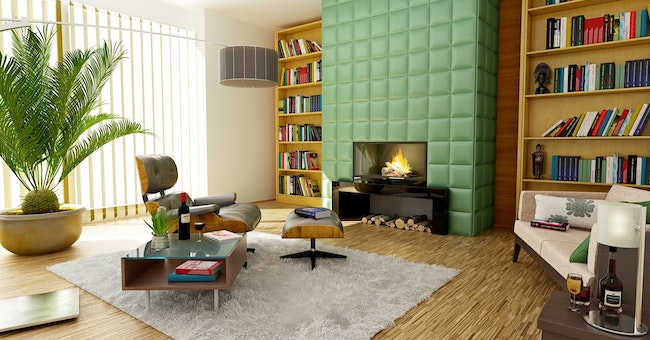
Plant decorations are a popular and environmentally friendly way to add a bit of greenery and freshness to your office or home. Plants are not just for their visual appeal; they also provide positive health benefits, such as improving air quality and decreasing stress levels.
- Terrariums: A very popular way to decorate your plants is to use a terrarium. Terrariums are small glass pots that can be filled with various plants and ornamental elements such as moss or rocks. They are a great way to create mini gardens and add a whimsical and magical look to your office or living space. Terrariums require little maintenance and can be adapted to match any theme or style.
- Hanging Plants: Another popular idea for decorating your home with plants is hanging plants. Plants can be hung on macramé or basket hangers and then hung from the ceiling or wall to create a cascading effect. They can bring visual appeal to empty spaces and are a great way to create a relaxing and natural ambiance. Pothos hanging plants, like spider plants and philodendrons, are easy to take care of and can flourish in all kinds of lighting conditions.
- Wall-Mounted Plants: Wall-mounted plants are another well-known plant decor idea that can add visual appeal to any room. Planters mounted on walls can be placed on the walls to make a lively wall or to add some bright color to the room. Plants like succulents or air plants are excellent for wall-mounted planters since they require only a small amount of soil and can thrive in all climates.
- Grouping Plants: The idea of grouping plants is a common idea for decorating your plants, which can give a unified natural appearance. Plants can be grouped by the color or texture of the plant to create an exciting and intriguing display. Plants of different heights can also add dimension and depth to a space.
- Repurposing Containers: Repurposing containers, such as mason jars and teacups, to use as plants is another popular decorating idea. It adds a touch of personality and whimsy to the space. Containers that have been reused can be used as stand-alone plants or as part of a larger arrangement.
- Herb Gardens: Herb gardens are an excellent design idea for people passionate about cooking. The herb gardens are cultivated on countertops or windowsills and give you fresh herbs to cook with. Gardening with herbs can be adapted to match any style or theme and is a fantastic conversation starter.
FAQ’s
What are some popular indoor plants to decorate with?
Some popular indoor plants to decorate with include succulents, spider plants, snake plants, and fiddle leaf figs. These plants are relatively easy to care for and can add a natural touch to any room.
How can I decorate with plants in a small space?
To decorate with plants in a small space, consider using hanging planters or wall-mounted planters to save floor space. You can also use small potted plants on bookshelves or window sills to add a touch of greenery.
What are some ways to incorporate plants into a minimalist decor style?
To incorporate plants into a minimalist decor style, consider using simple white or black planters with green plants for a clean and modern look. You can also use plants as a pop of color against a neutral color palette.
How can I create a vertical garden?
To create a vertical garden, consider using a trellis or hanging planters to create a space-saving display. You can also use a wall-mounted planter system to create a living wall.
What are some ways to decorate with plants in a bohemian decor style?
To decorate with plants in a bohemian decor style, consider using macrame plant hangers or colorful planters with a mix of trailing and hanging plants. You can also use plants with interesting textures and shapes to create a lush and eclectic look.
How can I incorporate plants into outdoor decor?
To incorporate plants into outdoor decor, consider using potted plants on a patio or deck, or creating a small garden bed with a mix of flowers and plants. You can also use planters on a fence or trellis to add a natural touch to your outdoor space.