
There's something incredibly satisfying about creating beautiful things with your own hands, especially when you can do it from the comfort of your living room. Crafts at home have become more than just a hobby; they're a way to express creativity, personalize your space, and even find moments of calm in our busy lives. Whether you're looking to refresh your decor on a budget, create meaningful gifts, or simply enjoy a relaxing weekend activity, home crafting offers endless possibilities for everyone from complete beginners to seasoned makers.
Why Home Crafting Matters More Than Ever
The rise of crafts at home isn't just about saving money or passing time. Research shows that engaging in crafts can contribute to personal identity formation, offering psychological benefits that extend far beyond the finished product. When we create something with our hands, we're investing time in ourselves and our surroundings in a meaningful way.
Crafting at home also gives you complete control over your creative environment. You can work at your own pace, experiment without judgment, and develop skills that become more refined with each project. The best part? You don't need a dedicated craft room or expensive supplies to get started.
Setting Up Your Crafting Space
Before diving into specific projects, let's talk about creating a functional workspace. You don't need much:
- A clean, flat surface like a kitchen table or desk
- Good lighting to reduce eye strain during detailed work
- Basic storage for supplies (even a simple cardboard box works)
- Easy cleanup materials like newspaper or a plastic tablecloth
The key is making your space inviting and accessible. When your supplies are organized and ready, you're more likely to start that project you've been thinking about.
Beginner-Friendly Crafts to Start Today
Starting with simple projects builds confidence and teaches fundamental skills you'll use in more complex creations later. These crafts at home require minimal supplies and deliver satisfying results quickly.
Paper Crafting Projects
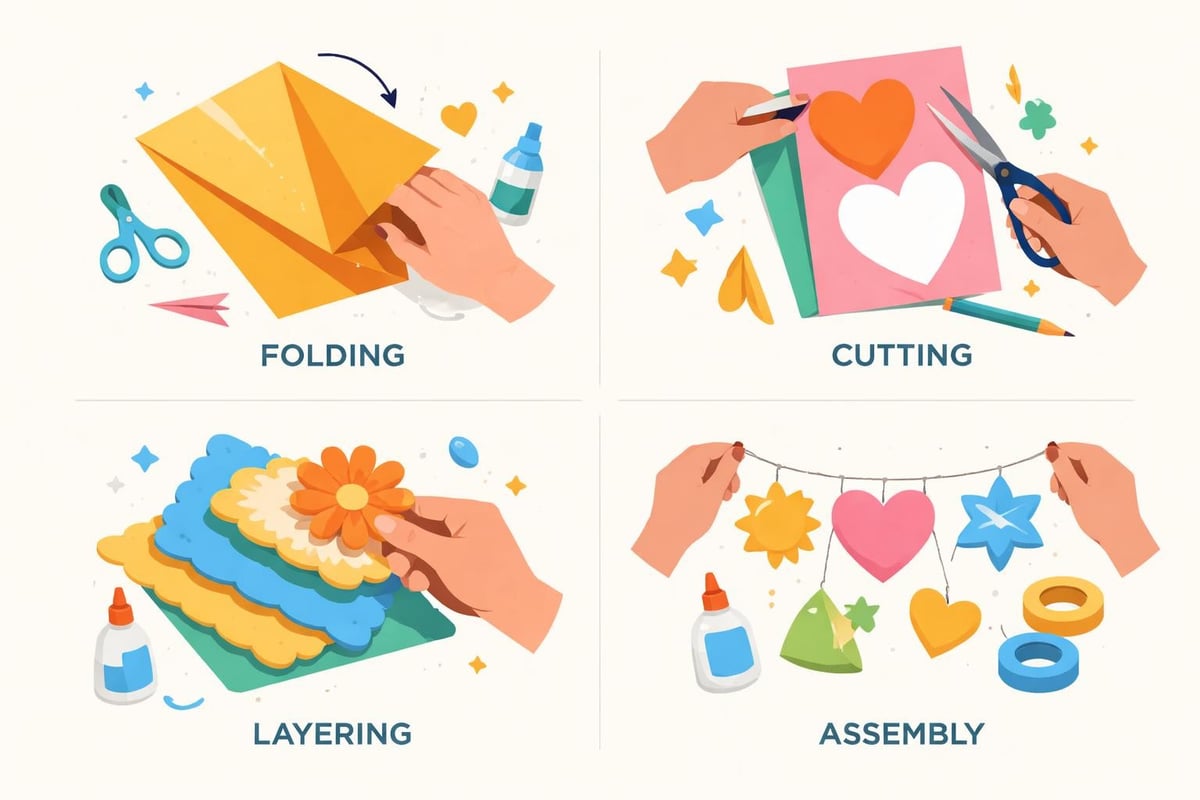
Paper is incredibly versatile and probably the most accessible crafting material you already have at home. You can make a tree out of construction paper for seasonal decorations, create custom greeting cards, or design wall art that rivals store-bought pieces.
Paper crafts perfect for beginners:
- Origami decorations for shelves and tables
- Custom bookmarks with decorative edges
- Paper flowers for year-round arrangements
- Handmade envelopes in various sizes
- Scrapbook pages preserving family memories
The beauty of paper crafting is that mistakes become learning opportunities, and materials are inexpensive enough that experimentation doesn't break the budget.
Fabric and Textile Creations
If you're ready to work with fabric, you'll discover a whole new world of crafts at home. You don't need a sewing machine to create beautiful textile projects. Hometalk offers extensive DIY craft tutorials covering everything from no-sew pillows to simple stitching techniques.
| Project Type | Skill Level | Time Required | Materials Needed |
|---|---|---|---|
| No-sew pillows | Beginner | 30-45 minutes | Fabric, fabric glue, stuffing |
| Hand-sewn coasters | Beginner | 1-2 hours | Fabric scraps, needle, thread |
| Decorative bunting | Beginner | 2-3 hours | Fabric triangles, ribbon, glue |
| Simple tote bags | Intermediate | 3-4 hours | Fabric, basic sewing supplies |
Starting with small projects like coasters or simple decorations helps you develop a feel for different fabrics and how they behave when cut, sewn, or glued.
Intermediate Projects That Elevate Your Space
Once you've mastered the basics, crafts at home can become more ambitious and personalized. These projects require a bit more time and attention but produce results that truly transform your living spaces.
Upcycling Household Items
One of the most rewarding aspects of home crafting is giving new life to items you might otherwise discard. The concept of transforming everyday household items into functional fixtures opens up creative possibilities you might never have considered.
Popular upcycling projects include:
- Converting glass jars into stylish storage containers
- Transforming old picture frames into serving trays
- Repurposing wooden crates as wall shelving
- Making planters from tin cans or teapots
- Creating jewelry displays from vintage finds
These projects not only save money but also add unique character to your home that mass-produced decor simply can't match. When you're working on how to make projects that involve repurposing, you're also making environmentally conscious choices.
Seasonal and Holiday Decorations
Creating your own seasonal decor means you can refresh your space throughout the year without spending a fortune. From Halloween party decorations to welcome home decoration ideas, handmade items add warmth and personality that store-bought versions can't replicate.
Consider making a baseball wreath for sports enthusiasts in your family, or explore 25th anniversary decoration ideas when celebrating special milestones. The possibilities multiply when you start thinking seasonally.

Advanced Techniques Worth Learning
As your skills develop, you'll naturally want to tackle more complex crafts at home. These techniques open doors to professional-looking results and even potential income streams if you decide to sell your creations.
Jewelry Making and Accessories
Handcrafted jewelry combines artistry with wearability. Whether you're interested in beading, wire wrapping, or working with precious materials, jewelry making offers endless creative expression. For those drawn to unique gemstones, Larimar Creations showcases how expert craftsmanship can transform natural materials into stunning pieces, offering inspiration for your own jewelry projects.
You can also explore how to make Bogg bag charms or learn how to craft a rosary bracelet for meaningful, personalized accessories. These smaller projects teach precision and patience while producing items you'll actually use or gift.
Woodworking and Furniture Projects
Woodworking might seem intimidating, but starting with small projects builds skills gradually. Learning how to make wooden toys that move introduces basic joinery and finishing techniques in a fun, approachable way.
Essential woodworking crafts for home:
- Simple picture frames with custom finishes
- Floating shelves for any room
- Decorative boxes with dividers
- Plant stands in various heights
- Wall-mounted key holders
Even if you don't have a full workshop, many wood projects can be completed with basic hand tools and a commitment to measuring carefully.
Organizing Your Craft Supplies and Workflow
As you dive deeper into crafts at home, organization becomes crucial. A framework for sharing expertise in craft workflows demonstrates how structured approaches to documentation and organization improve outcomes and make complex projects more manageable.
Storage Solutions That Work
| Storage Method | Best For | Pros | Cons |
|---|---|---|---|
| Clear plastic bins | Small items, sorted by type | Visibility, stackable | Can look cluttered |
| Drawer organizers | Tools, frequently used supplies | Easy access, tidy | Limited space |
| Wall pegboards | Tools, ribbon, scissors | Space-saving, customizable | Requires wall mounting |
| Mason jars | Buttons, beads, small notions | Attractive, reusable | Breakable, limited size |
| Rolling cart | Active projects, works in progress | Mobile, accessible | Takes floor space |
The right storage system depends on your available space and the types of crafts at home you enjoy most. Start with what you have, then invest in specialized storage as your collection grows.
Project Planning and Documentation
Keeping track of your projects helps you learn from each experience and share techniques with others. Consider maintaining a simple craft journal where you note:
- Materials used and where you purchased them
- Time invested from start to finish
- Challenges encountered and solutions discovered
- Photos of the finished project
- Ideas for future variations or improvements
This documentation becomes invaluable when you want to recreate a successful project or help a friend get started with similar crafts at home.
Kid-Friendly Crafts for Family Time
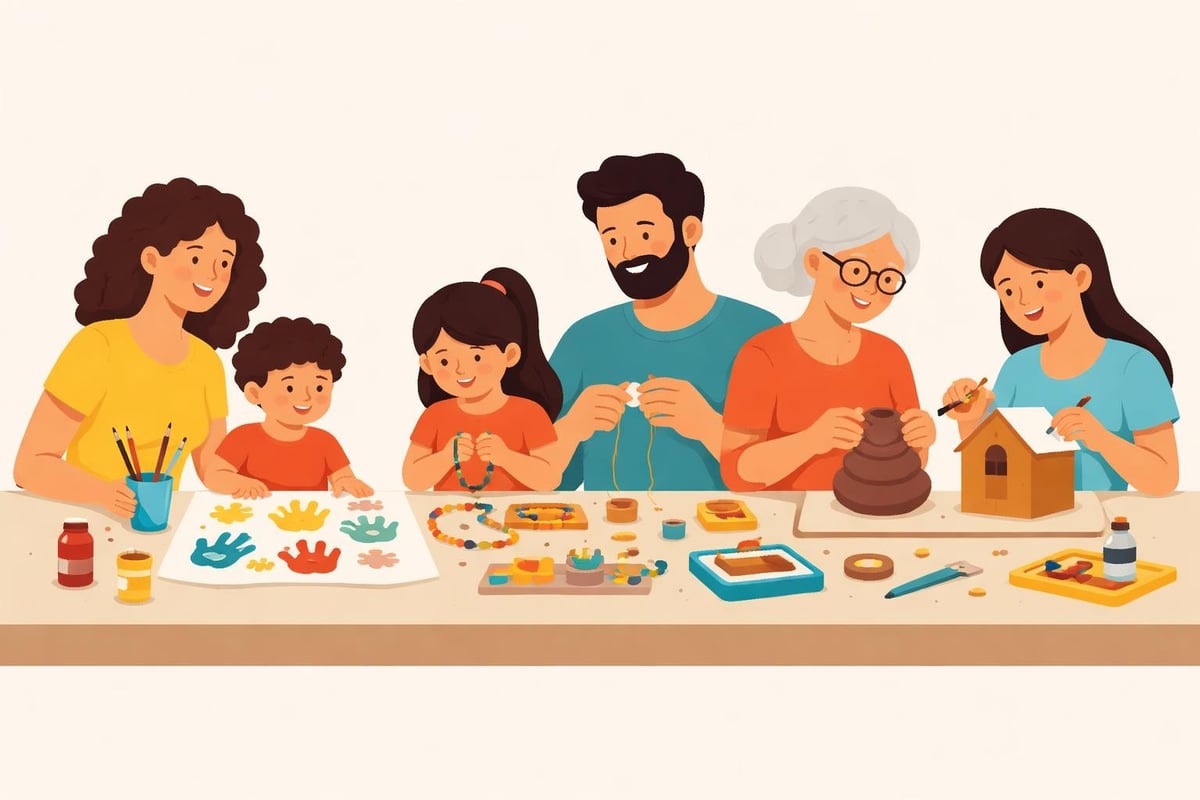
Crafting together creates memories while teaching children valuable skills. Sew Simple Home offers crafting projects suitable for various ages, making it easy to find activities everyone can enjoy.
Age-Appropriate Projects
For ages 3-6:
- Finger painting and handprint art
- Simple collages with magazine cutouts
- Play dough creations (homemade or store-bought)
- Nature crafts with leaves and flowers
For ages 7-10:
- Basic sewing projects like felt animals
- Model building and painting
- Friendship bracelets and simple jewelry
- Birthday pins for special celebrations
For ages 11 and up:
- More complex sewing and embroidery
- Painting on canvas or wood
- Advanced paper crafts like quilling
- DIY room decor matching their personal style
The key to successful family crafting is choosing projects that match skill levels while still challenging young creators to develop new abilities.
Budget-Friendly Crafting Strategies
One of the biggest misconceptions about crafts at home is that they require expensive supplies. With smart shopping and creative thinking, you can create beautiful projects on almost any budget.
Finding Affordable Materials
- Dollar stores carry surprising craft supplies at unbeatable prices
- Thrift stores offer frames, fabrics, and containers perfect for upcycling
- Nature provides free materials like pinecones, branches, and stones
- Online marketplaces often have craft destash sales from other makers
- Your own home contains countless items ready for transformation
Before buying new supplies, shop your own space. That stack of old magazines, those mismatched buttons, or the cardboard boxes from recent deliveries all have crafting potential.
Making Supplies Last
Proper care extends the life of your crafting tools and materials:
- Clean brushes thoroughly after each use
- Store adhesives properly to prevent drying
- Keep cutting tools sharp with proper maintenance
- Organize small items to prevent loss
- Use quality over quantity for frequently used tools
Investing in a few good tools that you maintain well beats buying cheap versions repeatedly.
Learning Resources and Skill Development
The wonderful thing about modern crafting is the wealth of learning resources available. You're never stuck wondering how to execute a technique or finish a project.
Online Tutorials and Communities
Laura Radniecki’s website features easy crafts with step-by-step tutorials perfect for visual learners. Similarly, Dagmar’s Home provides quick DIY tutorials emphasizing projects completable in under an hour, ideal when you want satisfying results without a huge time commitment.
For those just starting their crafting journey, Amanda Seghetti offers beginner-friendly tutorials focusing on budget-conscious projects that don't sacrifice style.
Ways to continue learning:
- Subscribe to crafting channels and blogs in your areas of interest
- Join local or online crafting groups for support and inspiration
- Take one new technique challenge each month
- Document your progress to see how far you've come
- Don't be afraid to modify tutorials to suit your style
The crafting community is incredibly supportive, and you'll find that most makers are happy to share tips and encourage newcomers.
Turning Crafts Into Practical Solutions
Beyond decoration, crafts at home can solve everyday problems and fulfill practical needs. This mindset shift transforms crafting from hobby to valuable life skill.
Functional Projects for Every Room
Kitchen and dining:
- Custom pot holders and oven mitts
- Fabric napkins and placemats
- Painted serving trays
- Decorated storage jars for dry goods
Bedroom and closet:
- Jewelry organizers
- Fabric-covered storage boxes
- Custom hangers with decorative touches
- Reading lights with personalized shades
Bathroom:
- Decorated towel holders
- Handmade soap and bath products
- Organizers for makeup and toiletries
- Custom bath mats
Home office:
- Desk organizers from recycled materials
- Decorative bulletin boards
- Cable management solutions
- Personalized stationery and filing systems
When you approach crafts at home with functionality in mind, you create items you'll use daily while expressing your personal style throughout your space. This practical approach also helps justify the time and materials invested in each project.
Seasonal Planning and Project Rotation
Thinking seasonally about your crafts at home keeps your creative energy fresh and ensures your space evolves throughout the year. Planning ahead also helps you budget both time and money for materials.
Creating a Crafting Calendar
Map out major holidays and seasons, then brainstorm relevant projects for each. For example, spring might inspire outdoor wedding decoration ideas, while fall could focus on Halloween yard decoration ideas.
Consider starting seasonal projects 4-6 weeks in advance to avoid last-minute stress. This timeline also allows you to work at a comfortable pace and make adjustments if your first attempt doesn't turn out as planned.
Building a Project Pipeline
Maintain three categories of projects simultaneously:
- Active projects you're currently working on (1-2 at most)
- Queued projects with gathered materials ready to start
- Inspiration projects saved for future consideration
This system keeps you engaged without overwhelming your space or schedule with too many works in progress.
The Therapeutic Benefits of Home Crafting
Beyond the tangible results, crafts at home offer significant mental and emotional benefits. The repetitive motions of many crafts induce a meditative state, while the creative problem-solving keeps your mind engaged and active.
Many crafters report that their hobby helps manage stress, provides a sense of accomplishment, and offers a healthy break from screen time. The tactile nature of working with physical materials grounds us in the present moment, offering a counterbalance to our increasingly digital lives.
When you complete a project, you have physical evidence of time well spent, something you can hold, use, or give to someone you care about. This tangible productivity feels especially satisfying in our modern world where so much of our work exists only in digital form.
Crafts at home offer something for everyone, whether you're seeking relaxation, creative expression, or practical solutions for decorating and organizing your space. The skills you develop, the items you create, and the satisfaction you feel all contribute to a more personalized, meaningful home environment. Ready to start your next project? Visit Decoratehow for hundreds of tutorials, tips, and inspiration tailored specifically to DIY enthusiasts and families looking to create beautiful, functional spaces on any budget.