
Owning a house with a garden offers something truly special: the perfect blend of indoor comfort and outdoor beauty. Whether you're lucky enough to already have this setup or you're planning to create one, the possibilities for designing and decorating these connected spaces are endless. From transforming a small yard into a lush retreat to creating functional outdoor rooms that extend your living space, a well-designed garden becomes so much more than just a patch of grass. It becomes a sanctuary where your family gathers, where you grow fresh herbs and vegetables, and where you find peace after a busy day. Let's explore how to make the most of your house with a garden through thoughtful design, practical decorating ideas, and creative solutions that work for any budget.
Planning Your Garden Layout
Before you start digging or planting, taking time to plan your garden layout makes all the difference. A house with a garden gives you the wonderful opportunity to create distinct zones that serve different purposes while maintaining visual harmony.
Understanding Your Space
Start by measuring your available space and noting where sunlight falls throughout the day. Morning sun differs dramatically from afternoon light, and this knowledge helps you place plants where they'll thrive.
Consider these essential factors:
- Sun exposure patterns (full sun, partial shade, full shade)
- Soil quality and drainage capabilities
- Existing trees, structures, or hardscaping you want to keep
- Views from windows inside your home
- Access points from the house to the garden
Walk through your space at different times of day. Notice where you naturally want to sit, where children might play, and which areas feel most inviting.
| Garden Zone | Best Location | Typical Size | Primary Use |
|---|---|---|---|
| Dining Area | Near kitchen door | 10×12 feet | Outdoor meals |
| Play Space | Visible from main rooms | 15×20 feet | Family activities |
| Vegetable Garden | Full sun area | 8×10 feet | Growing food |
| Relaxation Spot | Quiet corner | 8×8 feet | Reading, meditation |
Creating Functional Zones
Think of your garden as an extension of your interior rooms. Just as your house has a kitchen, living room, and bedroom, your garden can have a dining zone, play area, and quiet retreat.
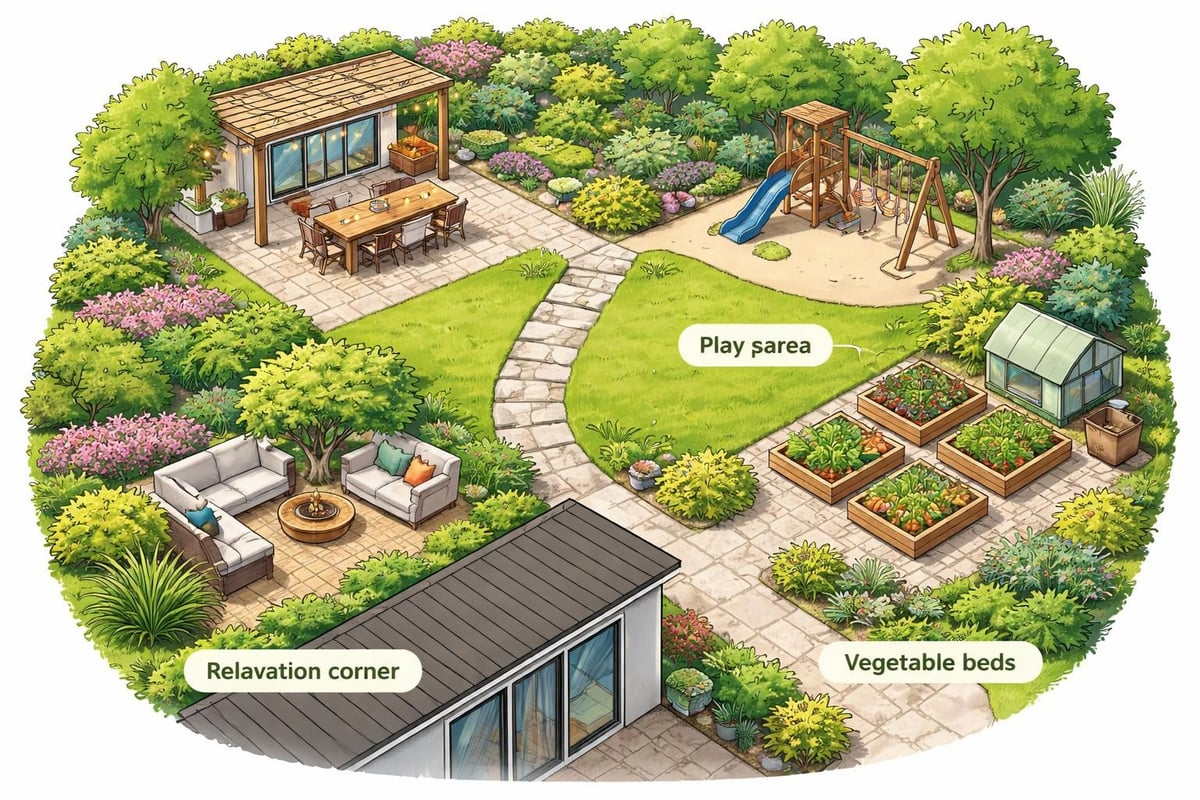
Transition spaces between zones matter tremendously. Use pathways, changes in ground cover, or low borders to guide movement through your garden. The architectural approach seen in projects like House in a Garden by Studio Lotus demonstrates how thoughtful zoning creates harmony between built structures and natural elements.
Connecting Indoor and Outdoor Spaces
The magic of a house with a garden truly shines when you blur the boundaries between inside and outside. This connection transforms how you experience both spaces.
Extending Your Living Room Outdoors
Your patio or deck serves as a bridge between indoor comfort and outdoor freshness. Choose furniture that echoes your interior style to create visual continuity. If your living room features modern minimalist design, carry that aesthetic outside with clean-lined furniture and simple planters.
Consider these connection strategies:
- Match flooring materials or colors where possible
- Use large glass doors to maximize sight lines
- Repeat paint colors from interior walls on exterior features
- Create covered transition areas like pergolas or awnings
- Install outdoor lighting that complements indoor fixtures
The innovative design of Gianni Botsford Architects’ House in a Garden showcases how urban homes can achieve seamless indoor-outdoor integration even in limited spaces.
Window Views as Living Art
Every window in your house with a garden frames a potential work of art. Design your plantings with these views in mind. From your kitchen sink, perhaps you'd love to see a colorful flower bed. Your bedroom window might overlook a calming Japanese-inspired corner with bamboo and stones.
Layering plants at different heights creates depth and interest. Place tall shrubs or small trees in the background, medium-height perennials in the middle, and low groundcovers or annuals in front.
Choosing Plants for Year-Round Interest
A successful garden offers something beautiful in every season. This variety keeps your outdoor space engaging and ensures your house with a garden always feels vibrant.
Spring and Summer Selections
Spring bulbs like tulips, daffodils, and hyacinths provide early color when you're eager to get outside after winter. Plant them in fall for spring rewards.
Summer stars include:
- Roses for classic elegance and fragrance
- Lavender for color, scent, and pollinator attraction
- Hydrangeas for dramatic blooms and shade tolerance
- Black-eyed Susans for cheerful, low-maintenance color
- Tomatoes and peppers in your vegetable zone
| Season | Featured Plants | Color Palette | Maintenance Level |
|---|---|---|---|
| Spring | Tulips, Daffodils, Lilacs | Pastels, bright yellows | Low |
| Summer | Roses, Lavender, Coneflowers | Bold pinks, purples | Medium |
| Fall | Mums, Asters, Ornamental Grasses | Oranges, golds, burgundy | Low |
| Winter | Evergreens, Holly, Winter Jasmine | Greens, reds, whites | Very Low |
Fall and Winter Beauty
Don't let your garden disappear when temperatures drop. Ornamental grasses provide texture and movement through fall and winter. Evergreen shrubs maintain structure and color. Berry-producing plants like holly and winterberry offer pops of red that look stunning against snow.
Professional landscaping services like Jargreen understand the importance of sustainable gardening practices that support year-round beauty while respecting environmental responsibility.
Creating Outdoor Living Spaces
Your house with a garden becomes infinitely more usable when you design proper outdoor rooms. These spaces encourage you to spend more time outside and truly enjoy your investment.
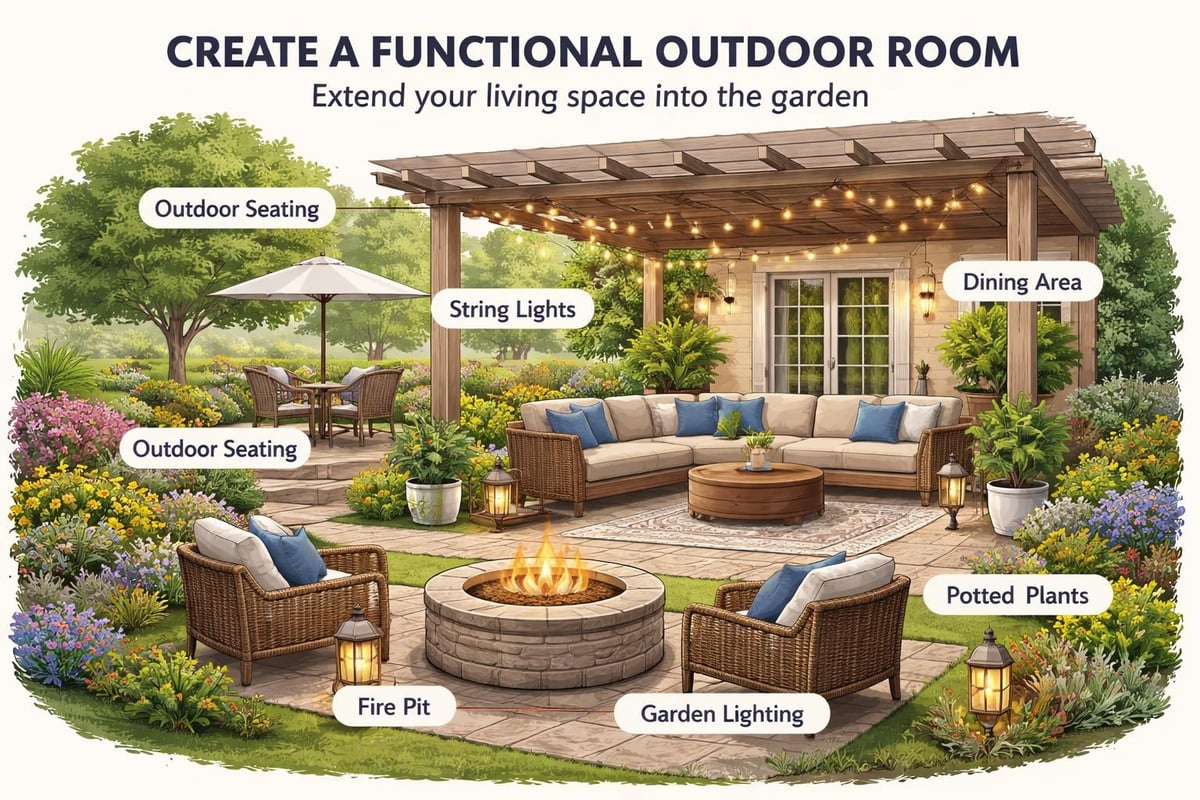
Dining Al Fresco
An outdoor dining area transforms ordinary meals into special occasions. Position your dining zone close to the kitchen for easy access, but far enough to feel like a destination.
Essential elements include:
- Durable, weather-resistant table and chairs
- Shade provision (umbrella, pergola, or mature tree)
- Ambient lighting for evening meals
- Nearby herb garden for fresh garnishes
- Storage for cushions and serving pieces
Consider installing an outdoor kitchen or even just a simple grill station. You'll find yourself entertaining more often when cooking outside feels effortless. For more inspiration on creating welcoming spaces, explore our house decoration ideas that can extend to outdoor areas.
Relaxation Retreats
Everyone needs a quiet corner in their house with a garden where they can unwind. This might be a hammock strung between two trees, a cozy chair tucked into a private nook, or a full seating area designed for conversation.
Add comfort through:
- Outdoor rugs that define the space
- Weather-resistant cushions in your favorite colors
- Side tables for books and beverages
- Container gardens surrounding the seating
- Water features for soothing sound
Incorporating Sustainable Garden Practices
Modern gardening embraces sustainability, making your house with a garden both beautiful and environmentally responsible. These practices often save money while benefiting local ecosystems.
Water-Wise Gardening
Collecting rainwater in barrels attached to downspouts provides free irrigation while reducing runoff. Position these barrels strategically throughout your garden for easy access.
Choose drought-tolerant plants for areas that are difficult to water regularly. Native plants typically require less water once established since they've adapted to your local climate. The House as Garden project demonstrates how sustainable design principles can create net-positive environmental impact.
Composting and Soil Health
Transform kitchen scraps and yard waste into rich compost that feeds your garden. A simple compost bin tucked behind shrubs produces excellent soil amendments without cost.
Benefits of composting:
- Reduces household waste significantly
- Improves soil structure and drainage
- Provides nutrients plants need
- Encourages beneficial soil organisms
- Eliminates need for chemical fertilizers
Garden Design Styles to Match Your Home
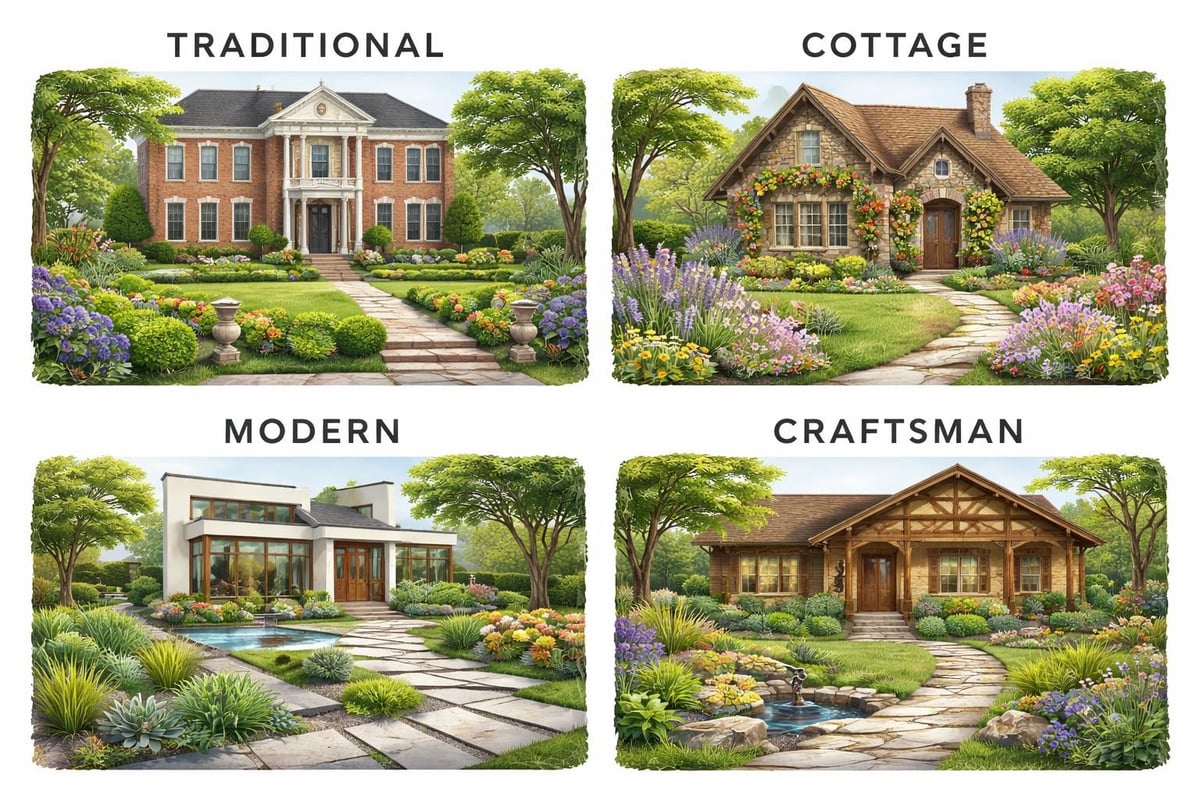
Your house with a garden should reflect a cohesive design vision. Matching garden style to architectural style creates harmony that enhances curb appeal and personal enjoyment.
Traditional and Cottage Gardens
Traditional homes pair beautifully with classic garden styles. Think formal hedges, symmetrical beds, and classic plant choices like roses, peonies, and boxwood. Cottage gardens feel more relaxed with billowing perennials, self-seeding annuals, and charming chaos.
The historic Elihu Kirby House showcases how thoughtful garden design complements period architecture, offering timeless lessons for today's homeowners.
Modern and Minimalist Approaches
Contemporary homes shine with clean-lined gardens featuring architectural plants, limited color palettes, and strong hardscaping. Use ornamental grasses, succulents, and sculptural specimens to create drama without clutter.
Key elements include:
- Concrete or metal planters in geometric shapes
- Gravel or stone mulch instead of organic materials
- Single-species mass plantings for impact
- Built-in seating from the same materials as the house
- Minimal lawn or alternative groundcovers
| Home Style | Garden Approach | Key Features | Plant Choices |
|---|---|---|---|
| Traditional | Formal, symmetrical | Hedges, defined beds | Roses, boxwood, hydrangeas |
| Cottage | Informal, abundant | Mixed borders, paths | Perennials, self-seeders |
| Modern | Minimalist, architectural | Clean lines, limited palette | Grasses, succulents, bamboo |
| Craftsman | Natural, integrated | Stone, wood elements | Native plants, shade gardens |
Practical Garden Features for Families
A house with a garden occupied by families needs to balance beauty with functionality. Smart design lets everyone enjoy the space safely and comfortably.
Safe Play Areas
Designate a specific zone for children's activities where you can see them from main living areas. Soft grass or rubber mulch provides cushioning for inevitable tumbles. Avoid placing play equipment near ponds, thorny plants, or poisonous specimens.
Create adventure through:
- Simple playhouse or fort
- Sandbox with cover
- Stepping stone paths kids can navigate
- Child-height plantings they can tend
- Nature exploration stations
Growing Food Together
Vegetable gardens teach valuable lessons while providing fresh produce. Even a small raised bed offers opportunities for kids to learn about where food comes from. Let children choose some vegetables they want to grow, which encourages them to try new foods they've cultivated themselves.
Easy starter vegetables include cherry tomatoes, lettuce, snap peas, radishes, and herbs like basil and mint. These grow quickly, providing satisfying results that keep young gardeners engaged.
Seasonal Maintenance Tips
Maintaining your house with a garden doesn't have to overwhelm your schedule. Strategic seasonal tasks keep everything looking great without consuming every weekend.
Spring Awakening
Spring launches the growing season with essential tasks that set up success for months ahead. Remove winter protection from sensitive plants once frost danger passes. Clear away dead foliage and debris that accumulated over winter.
Priority spring tasks:
- Prune spring-flowering shrubs after blooming
- Edge beds and refresh mulch
- Divide overcrowded perennials
- Plant summer annuals after last frost
- Fertilize lawns and established gardens
Summer Maintenance
Summer requires consistent attention but offers tremendous rewards. Water deeply but less frequently to encourage strong root systems. Morning watering minimizes disease and allows foliage to dry before nightfall.
Deadhead spent flowers regularly to encourage continuous blooming. Many perennials and annuals respond to this attention by producing more flowers. Monitor for pests and address problems early before they spread. Our how to design resources offer additional seasonal strategies.
Fall Preparation
Fall prepares your house with a garden for winter while extending beauty into cooler months. Plant spring bulbs before the ground freezes. This timing gives them necessary cold dormancy for spectacular spring displays.
Continue watering trees and shrubs until the ground freezes, as they're storing moisture for winter. Cut back perennials or leave them standing for winter interest and wildlife habitat, depending on your preference and garden style.
Winter Planning
Winter offers time to dream and plan improvements for the coming year. Browse garden catalogs, research new plants, and sketch ideas for changes you want to make. Order seeds early for best selection.
Protect vulnerable plants with burlap screens or mulch mounds. Check stored tools and make a maintenance list so everything's ready when spring arrives.
Budget-Friendly Garden Improvements
Creating a beautiful house with a garden doesn't require unlimited funds. Smart strategies and DIY projects stretch your budget while achieving impressive results.
Starting Small with Big Impact
Focus investments on areas you see and use most frequently. Transform the view from your main living space first, then expand outward as budget allows.
High-impact, low-cost projects include:
- Painting existing planters or furniture
- Creating defined bed edges with a spade
- Adding annual flowers to existing beds
- Making pathways from affordable materials like gravel
- Installing solar-powered lighting
Propagating Plants for Free
Many plants multiply easily through division, cuttings, or seeds. Divide perennials like hostas, daylilies, and ornamental grasses to create multiple plants from one purchase. Take cuttings from friends' gardens (with permission) to start new shrubs and perennials.
Save seeds from annuals and vegetables for next year's garden. Some plants self-seed freely, creating volunteers you can transplant to fill gaps. This approach seen at David Leech Architects’ A House in a Garden demonstrates how thoughtful planning maximizes resources.
Lighting Your Garden Space
Proper lighting extends the usability of your house with a garden well into evening hours. It also enhances security and showcases your hard work after dark.
Functional Pathway Lighting
Safety comes first with pathway lighting that prevents trips and falls. Solar-powered stake lights offer affordable, easy installation along walkways and steps. Position lights every 6 to 8 feet for adequate visibility.
Uplighting trees and architectural features creates drama while providing ambient light. A single spotlight at the base of a beautiful tree transforms it into nighttime sculpture.
Creating Ambiance
String lights instantly create a festive, welcoming atmosphere perfect for gatherings. Drape them overhead in dining areas or weave them through pergola beams. LED versions use minimal electricity and last for years.
Candles and lanterns add romance to outdoor spaces. Use citronella varieties to help deter mosquitoes while providing soft illumination. Group candles at different heights for visual interest, keeping them safely away from flammable materials.
Maximizing Small Garden Spaces
Not every house with a garden includes expansive acreage. Small yards offer intimacy and charm while requiring creative solutions to maximize potential.
Vertical Growing Solutions
When horizontal space is limited, grow upward using trellises, arbors, and wall-mounted planters. Climbing roses, clematis, and flowering vines add color without consuming valuable square footage.
Vertical solutions include:
- Wall-mounted planter boxes for herbs and lettuce
- Trellises supporting peas, beans, or decorative vines
- Hanging baskets with trailing flowers
- Espalier fruit trees trained flat against walls
- Tiered plant stands creating multiple growing levels
The compact design featured in RS Sparch’s House in a Garden shows how clever architecture maximizes limited urban lots.
Multi-Functional Features
Every element in a small garden should earn its keep. Choose furniture that serves multiple purposes, like storage benches that provide seating while hiding garden tools. Select plants that offer more than one season of interest through flowers, fall color, and winter structure.
Install raised beds with wide edges that double as seating. Use decorative screens that provide privacy while supporting climbing plants. A small water feature might be a fountain that doubles as a bird bath, attracting beneficial wildlife while creating soothing sound.
Embracing Your Garden Throughout the Year
Your house with a garden rewards engagement in every season. Rather than viewing winter as downtime, recognize it as an opportunity to appreciate different beauty and plan improvements.
Create year-round rituals that keep you connected to your outdoor space. Morning coffee on the patio becomes magical when you watch birds visiting feeders or notice spring bulbs emerging. Evening walks through your garden help you spot problems early and appreciate subtle changes.
Document your garden through photographs in different seasons and years. This practice helps you remember what thrived where, track bloom times, and celebrate your progress. Gardens constantly evolve, and these records become treasured memories of your growing relationship with your landscape.
Living in a house with a garden offers daily opportunities to connect with nature, express creativity, and build something beautiful that grows and changes with your family. Whether you're redesigning established beds, starting from scratch, or simply maintaining what you love, the relationship between your home and outdoor space enriches daily life in countless ways. At Decoratehow, we're here to support your journey with practical tips, creative inspiration, and solutions for every decorating and design challenge you encounter in creating the perfect balance between your house and garden.